

(ERGO) – Three hundred displaced families who voluntarily relocated from camps in Kismayo to Halgan area in April, 25 kilometres from the city, are struggling to find work and meet basic needs.
The Jubbaland administration allocated each family a 600-square-metre plot of land. However, residents say the new settlement has no employment opportunities and they are facing shortages of food, water and adequate shelter.
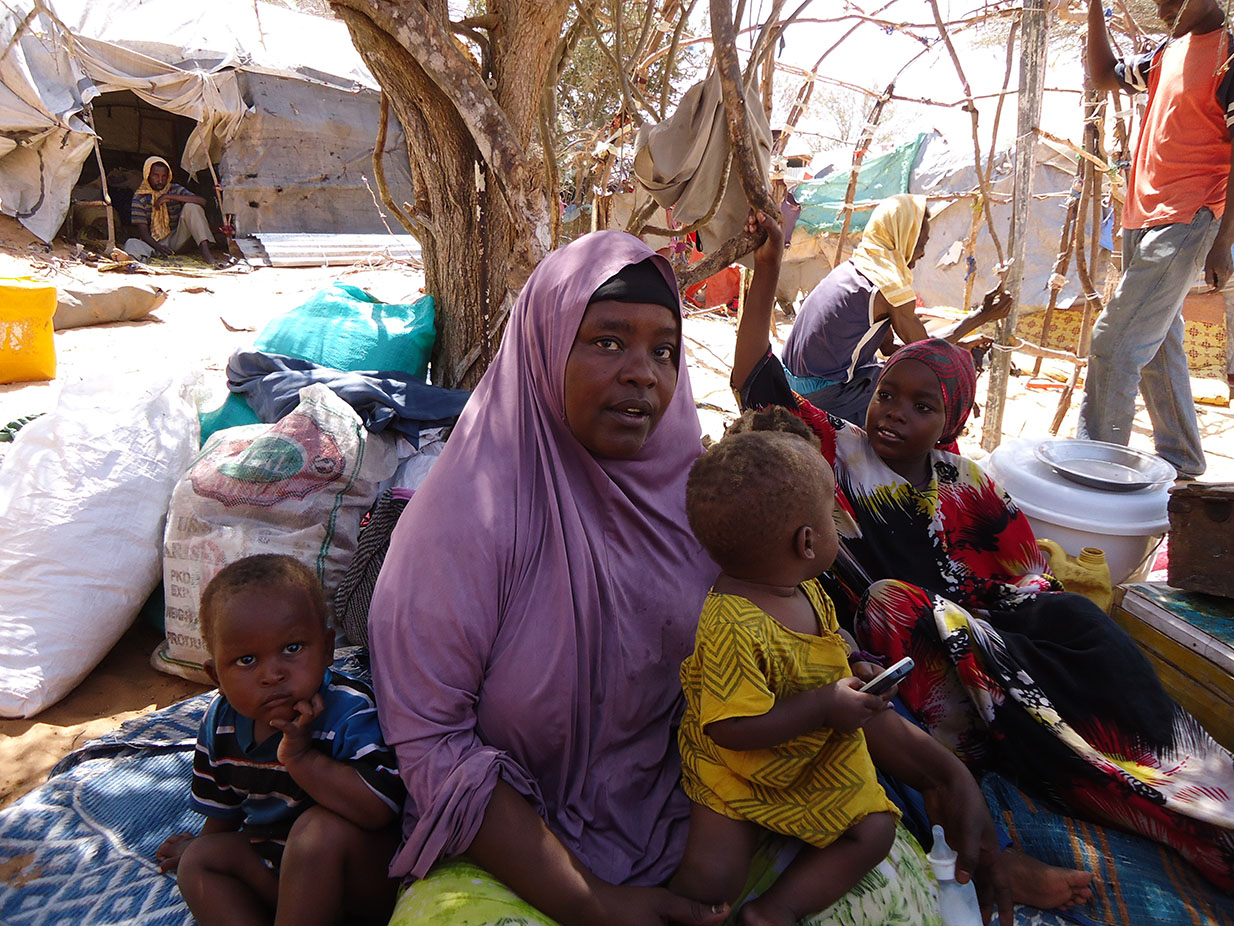
Fatuma Hassan Hussein, a mother of eight, has been unable to find work since moving to Halgan four months ago. She used to support her children by washing clothes for people in Kismayo. However, travelling to the city and back costs $8, while she earns only $3 for a day’s laundry work.
With no income, Fatuma relies on assistance from neighbours and sometimes begs to provide food for her children.
“There is no one here who will give us goods on credit,” she said. “The people we know in Kismayo say we have moved far away and they can’t trust us with credit.”
Free education is the main service available to families in Halgan. Five of Fatuma’s children attend primary and intermediate school. They have not been able to build a permanent house on the land allocated to them because of a lack of money. Strong winds destroyed their makeshift shelter in mid-August.
All the families in Halgan share only 70 toilets.
Fatuma said they had lived for 14 years in their previous Mareeray camp in Kismayo.
“We agreed to move because the land where we lived did not belong to us,” she said. “The land we have been given here belongs to us and no one is asking us to leave.”
Fatuma’s family was displaced from Bula Mareer in Middle Juba in 2011, where their 10-hectare farm eventually dried up due to drought.
Mohamed Wali Dayib, whose family has 12 members, has remained in Kismayo to work as a labourer loading and unloading vehicles. He earns about $4 a day and can’t afford the daily transport costs between Kismayo and Halgan, leaving him separated from his family. He visits them on days when he has no work.
Mohamed, a father of 10, said his family can cook only once a day. “On most days, we only cook one meal. There are also young children suffering from malnutrition,” he said.
Food shortages have been compounded by poor shelter. Strong winds destroyed the family’s house, leaving them with only one room made of corrugated iron sheets. “When the wind is strong, the house makes so much noise that we cannot sleep,” he said.
The Halgan settlement has no well, forcing residents to travel three kilometres to the Jubba River to collect water. Families unable to fetch water themselves buy it from donkey carts, at a cost of 50 cents per container.
“Sometimes my wife carries the water herself, and sometimes I ask neighbours to lend me a handcart to collect water,” Mohamed said.
Mohamed’s family lived in Tawakal 2 camp in Kismayo for 12 years. They were displaced from Middle Juba by conflict and drought after losing 75 goats and 60 cattle.
The Jubbaland administration says it has completed the first phase of the Halgan settlement project, providing primary and intermediate education, land ownership and free services at a Maternal and Child Health centre.
The head of the Resettlement Office of Jubbaland’s agency for displaced people, Mohamed Omar Hassan, said further support was planned this year, including providing livestock to families, supporting fishing activities with training, boats and equipment, and allocating farmland for cultivation. Construction of irrigation canals was also underway.
A hospital with more than 20 rooms and surgical services is expected to open in the settlement.
Jubbaland launched its durable solutions programme for internally displaced people in 2024 and has allocated approximately five square kilometres of land for resettlement. However, lack of jobs and means to earn a living continue to make life difficult for those living in Halgan.