

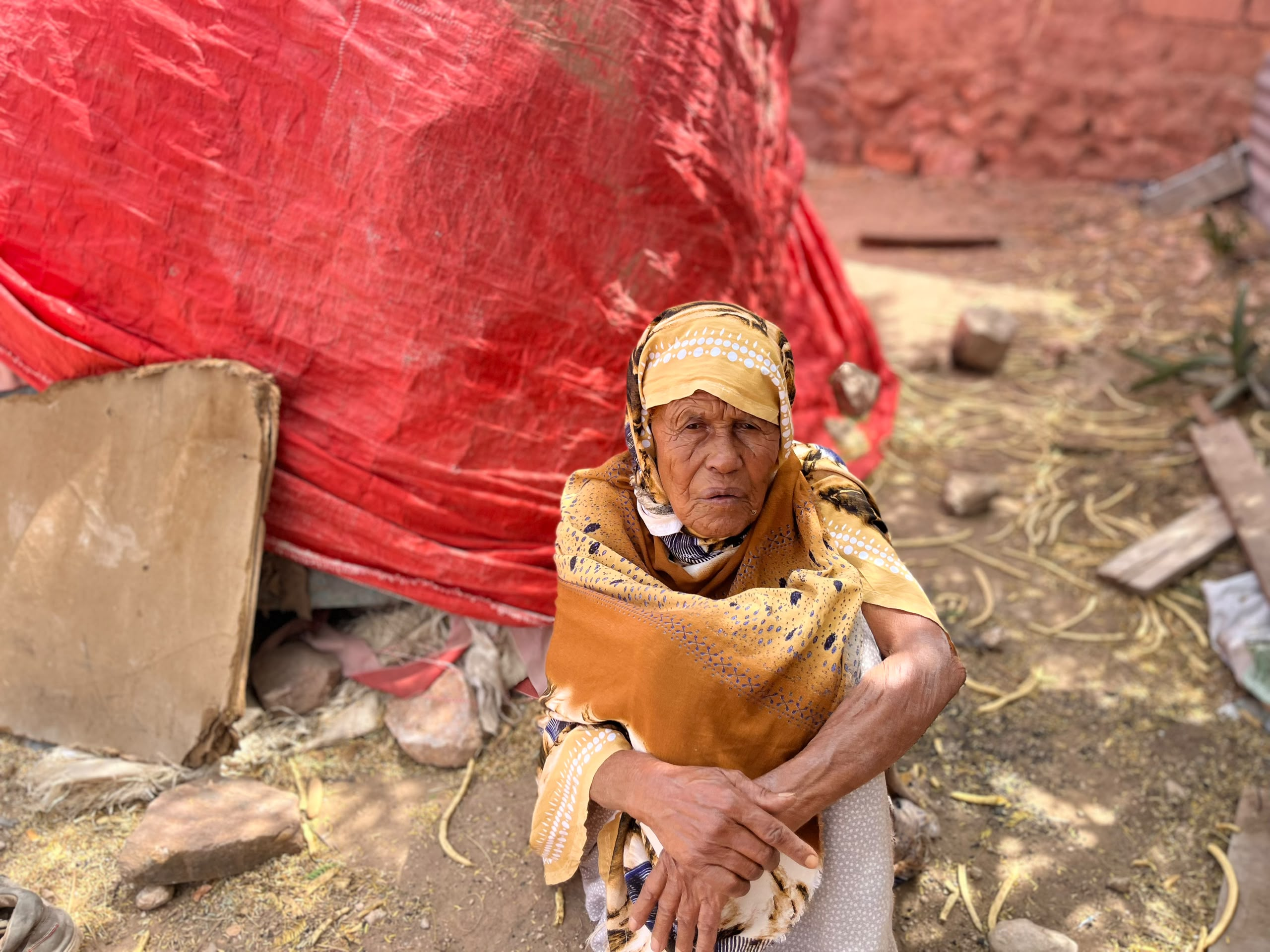
(ERGO) – 92-year-old Anab Jama Furre says her food and assorted-goods shop in Hargeisa that supported her seven-member family for more than 10 years has closed down because she cannot afford to pay the increased tax rate on businesses implemented under Somaliland’s 2026 budget.
Anab used to make $5 to $6 a day from her shop that was enough to cover the family’s food, water and other basic needs.
“We can now cook only once a day,” she complained. “Previously, we prepared breakfast, lunch and dinner, but now the business we depended on has closed.”
The tax, locally known as macaashal-macaash (profit tax), rose from 10% to 15% in January and applies to all business income or profits, as well as other sources such as rental income for house landlords.
The elderly Anab says her family is having to rely on help from relatives and neighbours. Food obtained on credit has run out, as she owes $200 to food shops in Ugaaso neighbourhood and can’t afford to clear the debt.
With commercial tankers charging $3 for a drum, they have to ask if they can spare a 20-litre jerrycan a day. She is too old to look for other jobs and her two sons have failed to find work.
“With the new tax our income was not enough to cover expenses, at the same time as the cost of goods and food prices rose sharply, leaving us unable to buy stock,” she said.
The three grandchildren under Anab’s care have stopped attending Koranic school as she failed to pay $100 in outstanding fees in June.
Many small-business owners Radio Ergo interviewed in Hargeisa said they were unable to cope with the 5% increase, which added significantly to the financial pressure on their businesses during already tough economic times.
Another resident, Hooda Ahmed Abdullahi, says her 12-member family is facing its most difficult circumstances in seven years after her small shop closed. She set it up with financial support from relatives.
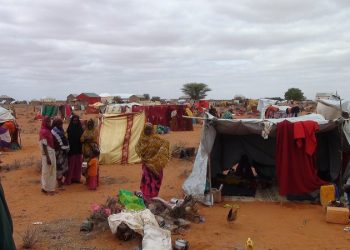
Now the family can only afford to cook one meal a day, costing about $4. Her father earns income from house construction work only about once a week. Water tankers charge $8.50 to fill the five drums at their home. As they can’t afford this, they borrow jerrycans from neighbours.
Hooda says the family owes $150 in rent for three months for their two metal-sheet rooms. Their electricity has been disconnected as they failed to pay the $30 monthly bill. They use flashlights borrowed from relatives.
Her elderly mother, who has diabetes and high blood pressure, is suffering from recurrent high fevers and the family can’t afford healthcare for her.
“My mother used to support us, but she is now unable to work and we cannot afford her medication. Relatives who helped us before are no longer able to do so,” said Hooda, who is the eldest child in the family.
She has searched for cleaning work to pay for her mother’s medicines but has been unsuccessful. Four children in the family have dropped out of their primary and middle school due to failure to pay their $60 monthly fees.
The secretary of an association representing small business owners, Fadumo Hayd Ali, told Radio Ergo that nearly 100 traders had closed the small businesses that their families depended on. They are low-income people, and have attributed the increase in the profit tax as a burden they could not bear.
Businesses started closing from June. Rising fuel prices and the general cost of living have already bitten into people’s incomes. Water prices have risen, with a tank that previously cost $50 now selling for $70.
“Some people can no longer afford to cook, while others have been forced to leave their homes because they cannot pay rent. Education is also affected as families struggle after their businesses close,” Fadumo said.
Traders have appealed to the government for leniency due to their situation but have received no response. The government says the profit tax is part of its efforts to increase domestic revenue collection and strengthen the tax system.