

(ERGO) – Pastoralist families in Warsheikh and Adale districts of southern Somalia’s Middle Shabelle region have begun repaying debts accumulated during three years of drought, after recent rains improved pasture and water supplies and the condition of their livestock.
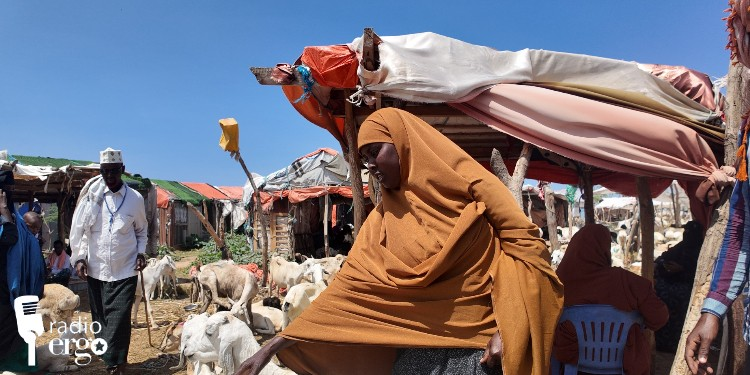
Business in livestock markets in Mogadishu has risen, as pastoralists like Abdullahi Muhyadin Ahmed from rural Adale have brought their fattened animals for sale.
He sold 50 goats for $4,200 in early August, using $1,200 to repay local traders who had supplied food and clothing for his family of nine during the drought. He saved part of the remaining money to prepare for future hardship.
“Thanks to God and the good rains, I have been able to repay my debts. If the drought had continued, I would not have cleared them and would have fallen further into debt,” he told Radio Ergo in Dayah livestock market in Gubadley, Banadir region, where he returned later to collect an outstanding payment from buyers.
Abdullahi said selling livestock had been difficult during the drought, with prices varying according to the animal’s condition. Some goats sold for $100 to $130, while others fetched only $60 or $70. Some buyers wanted animals on credit, while others refused to buy under those terms.
He began borrowing money in 2023 after his livestock stopped producing enough milk or attracting buyers. Repeated droughts forced him to depend on credit to feed his family. He faced constant pressure from creditors, and some shopkeepers eventually stopped extending credit.
The situation became particularly difficult early this year. Relatives helped with small, irregular contributions, but the family could afford to cook only five days a week.
The recent rains have improved his family’s circumstances. Abdullahi said the 100 goats he had left were now reproducing well, while pasture and water had become easier to find.
“We now eat well at all three mealtimes. We have plenty of milk, fermented milk and ghee,” he said.
Abdullahi, 50, was previously among the wealthiest livestock owners in his area, but poor rains between 2023 and 2025 caused him to lose 350 goats and 27 head of cattle because of a lack of pasture and water.
Concerned that climate change could affect future rainfall, he said he was determined to save money to protect his family against another drought.
Pastoralists in his area are collecting contributions to help families impoverished by the drought, including those displaced to Adale, Warsheikh and Mogadishu, to recover. They have given 10 goats each to 30 families so far to help them rebuild their herds and livelihoods.
“Displaced families are encouraged by the improved conditions, and some have begun returning home. Those who remained are also recovering economically,” Abdullahi said.
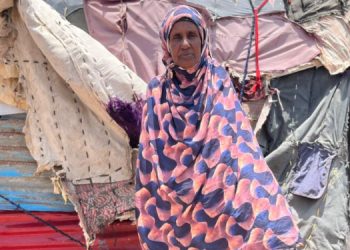
Madina Muhyadin Ahmed, a pastoralist living in rural Warsheikh, said her family of three was also recovering from food shortages and the pressure of debt. Rain over the past four months had improved pasture and water supplies, allowing her goats to regain weight and attract buyers.
She said selling 20 goats for more than $1,300 had eased the financial pressure on her family.
“We used $800 to repay debts for food bought on credit from local shops between 2025 and mid-2026. We spent the remaining money on food and clothing for my family,” she said.
She has 80 goats left, which are recovering and reproducing. With enough pasture and water now available, her family has also recovered from the food shortages they experienced during the drought.
Since mid-year, her children have no longer faced the same food insecurity. She sells two or three goats at the market every three weeks to meet household expenses.
However, Madina said the discontinuation of the Somali shilling earlier this year had created difficulties for pastoralists reliant on cash. Her elderly parents and relatives struggled to use digital money services on mobile phones.
“People do not know how to use money on their phones, especially the elderly. They cannot easily withdraw it. Cash was better for us,” she said.
Much of the livestock sold in Dayah market in Gubadley comes from Middle Shabelle, where rainfall has been plentiful.
Kulmiye Mohamud Hassan, a broker at the market, told Radio Ergo that he kept records of pastoralists whose animals he had helped sell at good prices. He recorded recent sales by 150 different families. Some of them had told him the income was helping them repay debts and recover from food shortages.
Kulmiye added that the rise in livestock sales had provided brokers with more regular work and income to support their families too.