(ERGO) – Nearly 200 families displaced by violent ongoing clan conflict in Jalalaqsi, in Hirshabelle state’s Middle Shabelle region, have arrived in an under-resourced displacement camp in Mogadishu’s Garasbaley district.
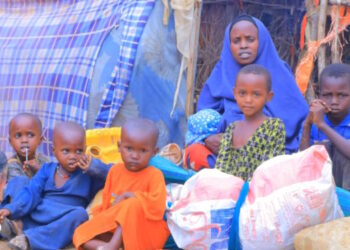
They are living without enough food, clean water, shelter or healthcare. Sahra Hassan Adan, a mother of seven, said reaching Siinka-dheer camp was a great relief until they realised how tough life would be.
“We have nothing here. We are struggling with hardship and poverty. Sometimes we manage to cook only one meal for the children, and sometimes we have nothing to cook at all. Food and water are very difficult to find,” she said.
“We are people who fled our own land, and now we have come to a place without water. We are guests here and survive on whatever little others can share with us.”
Even her youngest one-year-old often sleeps hungry, with just water offered when he cries.
Sahra has spent almost three weeks searching for cleaning work in vain. Three of her children have been suffering from watery diarrhoea and fever since 19 June. Their condition has worsened with the lack of food available.
The camp has no health facility, and she can’t afford transport or treatment at a hospital. Water is scarce, and there are too few latrines, leaving families vulnerable to disease.
“We are living in unhealthy conditions. The children have developed illnesses they never had before. Their health worries us most. There is no work here – we are living in misery,” she said.
Sahra is caring alone for her children after leaving her husband behind in their village. They also left their last remaining nine goats. They had almost 100 goats before drought then heavy rains at the end of May wiped out most of the herd.
Her 15-year-old daughter was gang raped in early June while collecting firewood outside the village by three male attackers. The rape triggered looting, violence and injuries that forced them to flee for their lives.
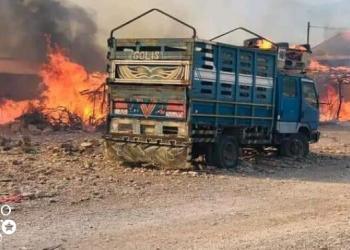
“Our land was burned, and some people were injured. What happened to my daughter affected all of us. She is traumatised both physically and emotionally. She had gone out to collect firewood when those men attacked her. Fighting broke out afterwards, and some of our relatives were caught up in it. No parent can stay after something like that happens to their child,” Sahra told Radio Ergo.
The violence destroyed the family’s recently planted two-hectare farm, their traditional Somali house, and nearly all their household belongings. Although no one in the immediate family was killed, two of her nephews were injured.
Unable to afford transport, the family walked for three days and nights to get to Mogadishu. Heavy rains turned roads into mud, making the journey even harder.
They have received no humanitarian assistance since reaching Siinka-dheer. Without any local contacts and no jobs, they have been unable to ensure their most basic needs.
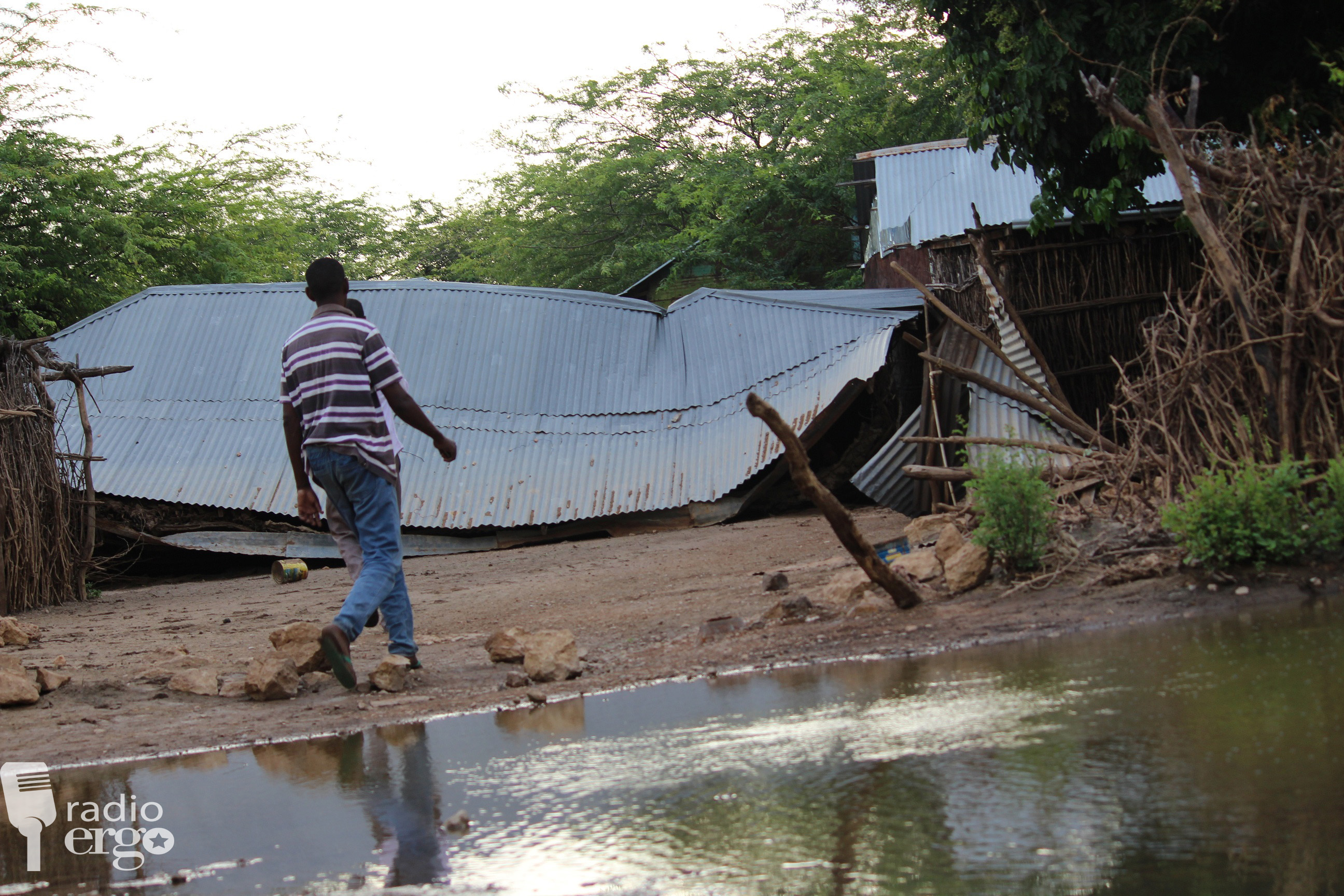
Hodan Abdi Ali, another mother of six, arrived in the camp on 22 June after fleeing the same conflict. The camp chairman provides her family with one 20-litre container of water each day, which they ration carefully. They fled so suddenly that they left behind their two-room corrugated iron house and all their belongings.
The family shares an overcrowded shelter with relatives who arrived earlier. Relatives paid for transport for Hodan and her children, but her husband remains trapped in their home area because insecurity prevented him from travelling.
She has no vocational skills and can’t even find cleaning work. The family earned a stable living from farming and livestock.
“Drought devastated us first, then the conflict came. That is how we ended up in Mogadishu. What forced us to flee was the fear for women and girls who were being raped. We escaped with only our lives. There was no time to collect anything. Before all this happened, we were living well, but insecurity destroyed everything we owned,” she explained.
The family sleeps on a single mat borrowed from neighbours. Three of Hodan’s children miss their Koranic school, where she paid $4 a month for each child’s fees. She can’t even afford daily meals now.
With fighting still continuing around their home, they cannot return safely.
The chairman of Siinka-dheer camp, Ahmed Hussein Mahmoud, said the existing residents of the settlement are themselves struggling. The newcomers have been grouped together wherever space could be found. The community organise collections of cooked food so they can eat at least one meal a day.
“These people are facing many challenges. They arrived after being displaced and struggled even to find transport here. They have lost their livelihoods. People can’t survive without food. Among them are young children, breastfeeding mothers and sick people. They have no shelter, no food and no healthcare. This camp has neither health services nor schools,” the chairman said.
He appealed to humanitarian groups, regional authorities and the federal government to respond urgently to their plight.