

(ERGO) – When the River Juba flooded in June in the area of Baar-Sanguni village, some 50 kilometres north of Kismayo, Faisal Dahir Muse was caught unawares just as he was preparing to harvest crops and vegetables on his five-hectare farm.
More than 300 banana trees on his farm were swept away, together with maize, beans, sesame and vegetables that he had planted in April. He had borrowed $2,000 to pay for ploughing, seeds, and wages for three farm workers.
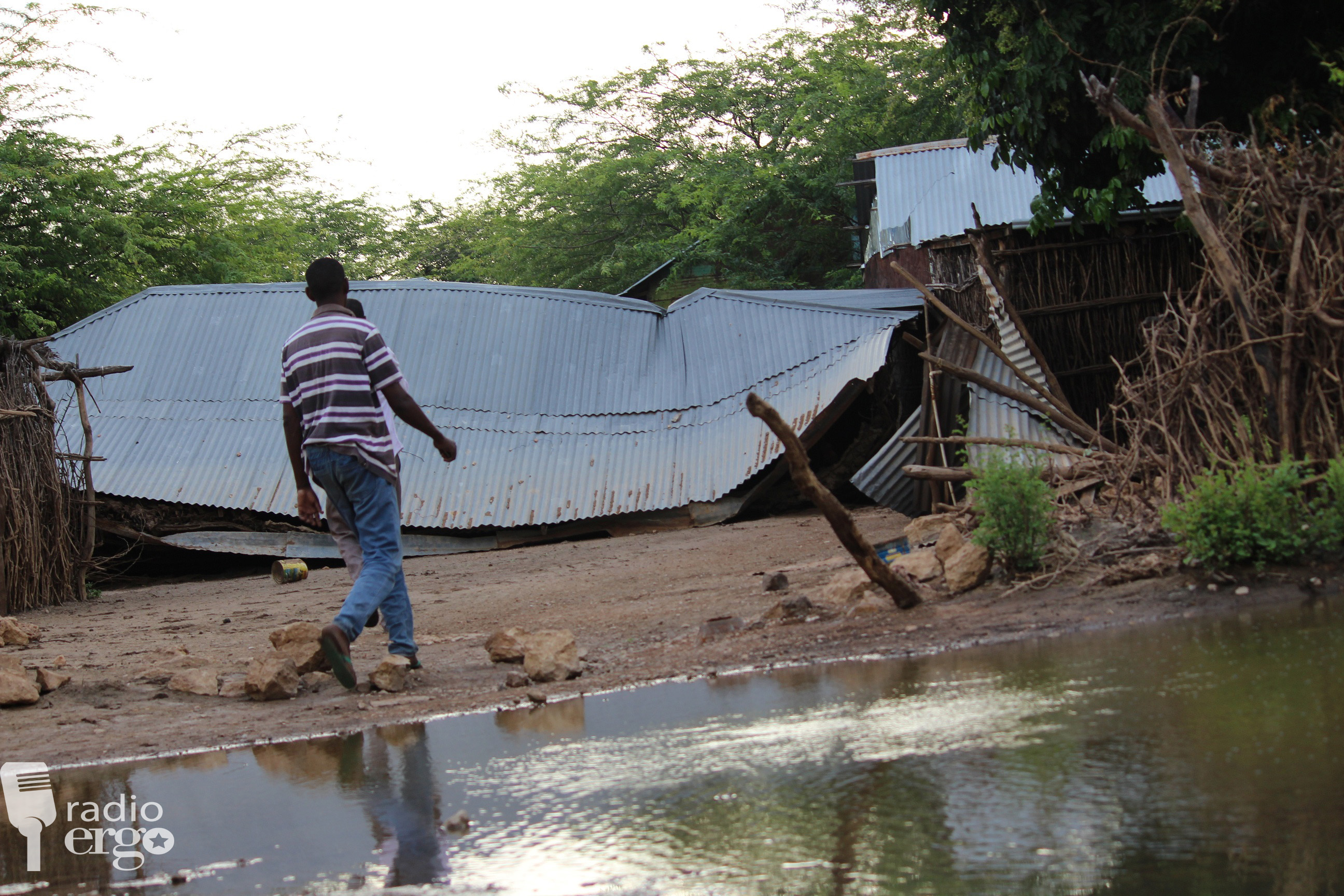
The floodwater gushed onto his farm through canals that had been opened by major flooding back in 2023. Seven big breaches were forged in the riverbanks that have not been repaired.
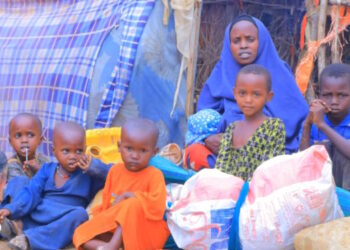
Faisal has lost everything this season, and has fallen back on fishing from the river to try to feed his family of 10 children. He doesn’t have proper equipment and usually only catches a fish every couple of days.
“If there is no fish, we boil leaves for the children. They drink bitter water from the leaves. We don’t even have tea,” he told Radio Ergo.
However, if the river level falls there will be even less chance of catching fish. His farming neighbours are facing the same hardship, so no one can help another.
The major flooding that occurred in late 2023 washed away his four-room house. He was unable to rebuild it, so the family settled for a makeshift shelter he put up on the same site. This most recent flooding destroyed the hut that he had to build again.
Farmers in Baar-Sanguni say the large canals linking their farms to the Juba River have become a constant threat. Originally built during Somalia’s former central government to irrigate farmland, they have fallen into disrepair and now channel destructive floodwater onto farms whenever the river rises.
The villagers affected are isolated and say they did not get any prior warnings or messages before the floods in June.
Timiro Abdullahi Mohamed, 70, has spent her life farming and has witnessed the gradual deterioration of the canals. She described constant flooding every year, destroying farms and homes. She reduced the amount she invests in farming aiming to avoid further losses.
“I spent $150 on the farm. My relatives helped me with some of the costs, and young people came to clear the land for me. Now I have nothing though as the crops are gone and I am just sitting here,” she said.
Her two-hectare farm was planted with food crops and vegetables including watermelon, beans, maize, peppers and tomatoes. She had planned to repay local traders after selling her crops, but the flooding destroyed everything. She can’t get any food on credit now from local shopkeepers.
Like many others, Timiro is spending long hours trying to catch fish from the river: “We spend the whole day by the river looking for fish. If you’re lucky, you catch something. If not, you go home with nothing. Whatever we catch, we eat a little and save the rest.”
The floods destroyed her three-room house that was beside the farm. Her family of five now shelters beneath trees, exposed whenever it rains.
Baar-Sanguni village chairman, Maslah Ali Salah, said repeated flooding had discouraged many farmers and that repairing the damaged canals was beyond the community’s capacity. There are around 500 farming families affected.
The village chairman said they had appealed to Jubbaland authorities for support to close the breaches in the riverbanks. The first phase of repairs would cost about $3,500, requiring heavy equipment to fill the gaps before the next rainy season.
“Many families have decided to leave their farms and move to larger towns to look for casual work. They have lost hope because every time they invest in farming, the floods destroy everything. Some are now surviving by pushing handcarts or doing other daily labour,” he said.