(ERGO) – As land prices rise in the growing Somali city of Beletweyne, increased numbers of displaced families are being evicted – often repeatedly – from camps built to house them on privately owned land.
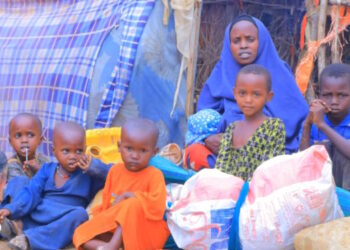
Farah Ali Kalayr’s family of eight has been living under a tree in Kahare camp, some distance outside the city, after being evicted for the second time this year. Prior to that they had become accustomed to constant lack of certainty as land continues to be sold for development.
“We have been evicted from nine places already,” Farah told Radio Ergo.
“The first place where we settled was Bulo-Hubey. A man gave us the land. We had lived there for a year, aid agencies built toilets and recognised the settlement. Then he told us he wanted his land back and said we either had to leave or pay rent, so we moved.
“The second place was along the Heli-kilmo Road. Aid agencies built houses for us there and provided assistance, but we were evicted again.”
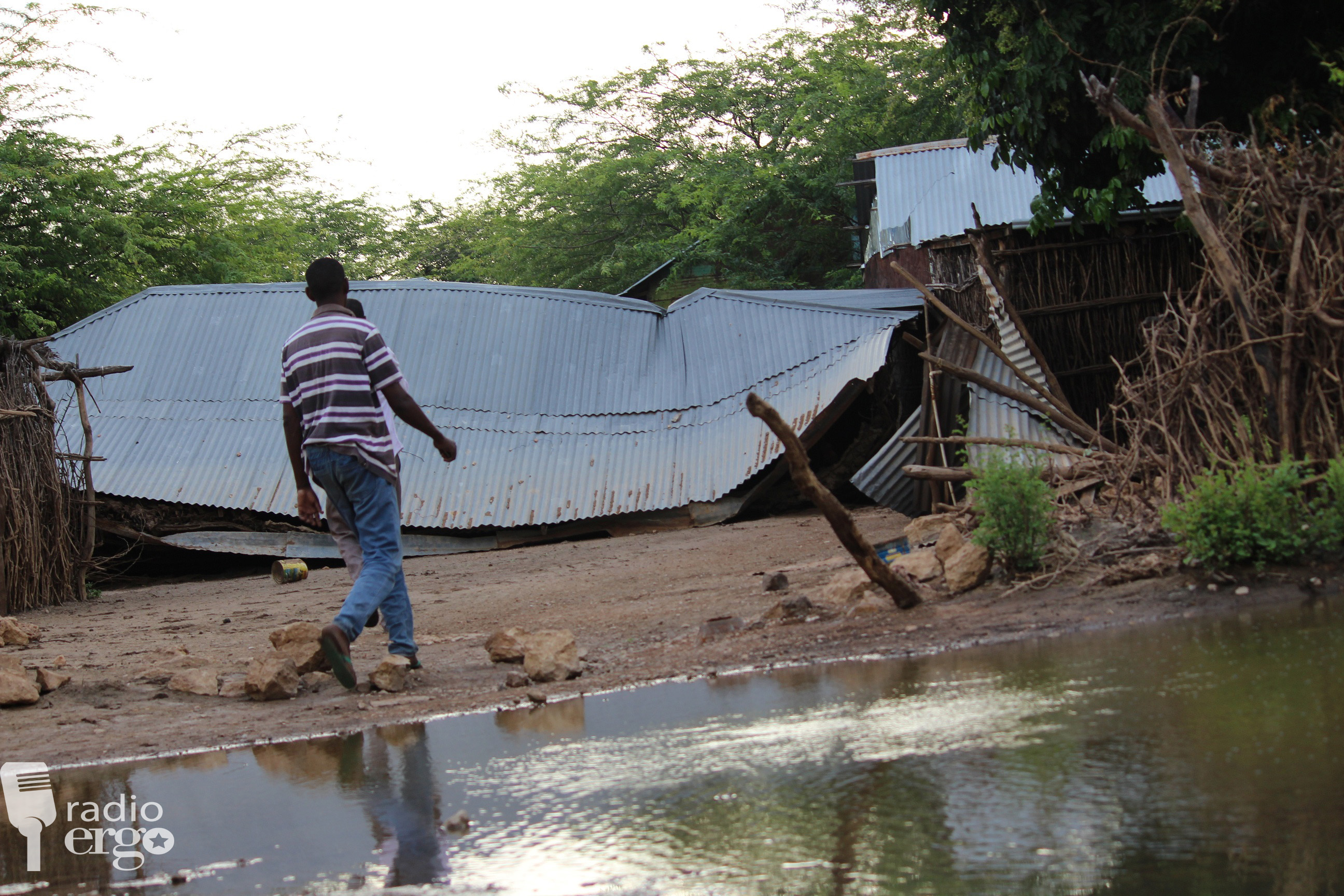
Kahare camp, on the outskirts of Beledweyne, has no water source. Families fetch water from the town, carrying it over long distances. The family sleeps beneath sheets tied under a tree after losing the two-room house an aid organisation had built for them in their previous camp. Two of his daughters and four sons had to drop out of their school because the new settlement is too far away. His eldest child, aged 15, had reached intermediate school.
Farah is a trained construction worker who earned $10 to $15 a day on sites in Beledweyne. The income covered the family’s food, water, and school expenses. His livelihood has been disrupted.
“There is hardly any work in this part of Beledweyne. We’ve always survived through casual labour. Sometimes I spend the whole day in town and return with only $1.50 that isn’t enough to feed my family. Some nights we cook one meal, and other nights we sleep hungry. We even drink untreated water because we have no alternative,” he said.
Farah fled rural Mustahil village eight years ago after drought destroyed production on his five-hectare farm, forcing the family to move to Beledweyne. Despite much investment made by aid groups, the camps they have settled in have never lasted long.
“They [NGOs] built toilets, drilled wells and built houses for us, but none of it lasted. If you own the land, those things remain. But we can’t afford to buy land. We left behind everything that had been built for us, and today we have nowhere permanent to settle.”
Kahare camp has not yet been registered by aid organisations, so the families there cannot access any humanitarian assistance.
Many of those affected by the repeated evictions are caring for large families, like grandmother Fadumo Ibrahim Rahow, 62, who is raising eight children alone. She arrived in Kahare camp at the beginning of July after being evicted from another camp on private land.
They eat one meal every two days and share just a few litres of water. Neighbours who were already living in the camp help when they can, although they are struggling themselves.
“We have nothing to buy land with. I am raising my orphaned grandchildren as well as the children I was already caring for. We fled from Gudlaawe. Then we were forced out of Shabelle camp. Now the owners of this land are coming back again,” she said.
One of her sons was making $1 or $2 a day polishing shoes in the town, helping to support the household, but since relocating he can’t find work. The family had better from relatives in their previous settlement. She worries constantly about feeding the children.
“Sometimes we cook dinner but not lunch. Every day is different. We survive only through God’s mercy. We have nothing to buy food with.”
Fadumo was displaced from Qalafe district in 2018 after conflict forced her family to abandon the six-hectare farm that had supported them.
The head of the Tolwaye Lawyers Association, Abdifatah Hashi Osman, said rising land values in Beletweyne were leading to more evictions of displaced families by private landlords. Most displaced people had never been allocated land through formal government processes, leaving them vulnerable when landowners reclaimed or sold their property.
The association has begun supporting families who have lost homes, water points, and other property during evictions, but legal support alone cannot solve the problem.
“Until their situation is resolved, the government should allocate land where displaced families can live safely and receive basic services,” the lawyer stated.
“Land management must follow the law so that people cannot be forced out whenever someone decides to reclaim the land. These settlements should be protected through proper government oversight.”