

(ERGO) – A total of 238 families in Hargeisa and other parts of Somaliland have been left homeless after fires destroyed their homes in the past three month, according to the Fire and Rescue Department.
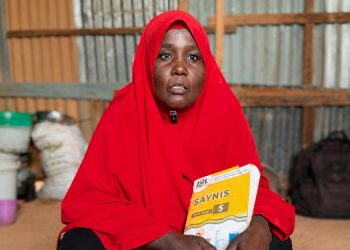
Fosiya Abdi Adan’s family of 10 lost their two-room corrugated iron house in Dhego-sayn neighbourhood of Hargeisa in July in a fire. Fosiya said the family could not afford to rebuild and has been moving between relatives’ homes for shelter.
“I am a low-income person and had been away doing house cleaning work. I returned home at around 2:30pm and found that a fire had started in a small storeroom attached to the veranda, where we kept the TV and other household items. Five young children were asleep, so I woke them and got them out. Everything we owned was destroyed in the fire,” she said.
The family lost the food they had stored at home, along with their clothes. Fosiya’s husband, a schoolteacher, is unemployed, leaving the family unable to afford rent and other basic expenses.
“Today, I have nowhere to turn for food except my mother. I depend on her, and she knows our situation. She is the person I turn to when we have nothing,” she said.
Fosiya’s mother-in-law built the house as the family could no longer afford rising rents in Hargeisa and had endured repeated evictions for failing to pay rent.
“When my husband was working, we could at least provide the children with clothes and other basic needs, but the fire took everything,” she lamented. “I can’t afford to buy them clothes now. The hardest part is seeing my young children without enough clothing. We can only hope that, if my husband finds work, we will gradually replace what we lost.”
Three of Fosiya’s children, aged nine, 13 and 16, have dropped out of school as the family could not pay the $18 monthly fees. They were in grades three, four and five.
Apart from occasional help from relatives, they have no income to meet basic let alone to rebuild the house.
The Somaliland Fire and Rescue Department says most fires are caused by electrical faults.
Abdiqani Suleiman Mohamed, a disaster management specialist at the Cadaalight institution, said some of the main causes of fires include household dividers and poorly maintained or low-quality electrical wiring.
“Sometimes people buy electrical equipment without checking whether the wiring can safely handle the power it requires,” Abdiqani said.
Overcrowded homes and buildings made from materials that do not provide adequate fire protection also caused fires to spread quickly.
“Crowded settlements can contribute to fires, as can buildings made from materials that do not provide enough protection against fire,” he said.
“Many things in our daily lives now depend on electricity, from mobile phones to chargers. As electricity becomes more important, people also need to improve their understanding of the risks.”
He urged the public to take precautions when using electrical equipment, saying community cooperation could help prevent fires and reduce the losses they cause.
Hamda Hashi Guled and her family of 13 are suffered a house fire in September that destroyed their two rooms in Hargeisa’s Ugaaso neighbourhood, along with their bedding, utensils, beds, clothes and other belongings.
“I lost a great deal of property. My bed alone cost $1,500. My children went to school that morning wearing their uniforms, and we also lost many of their books,” she said.
Hamda had been at a Koranic school with a young child when the fire broke out and found that nothing had been spared when she returned. Other family members were away visiting relatives.
The family is now struggling with the loss of its home and the cost of daily living. Hamda’s husband, who worked in house construction, is unemployed. She is also caring for her elderly mother, and has to ask relatives to help pay for her medication.
Hamda appealed for assistance to rebuild the family’s home, saying they could no longer cope with their living conditions.