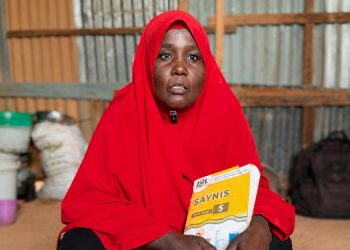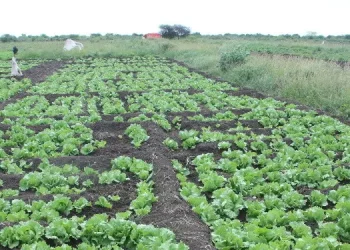


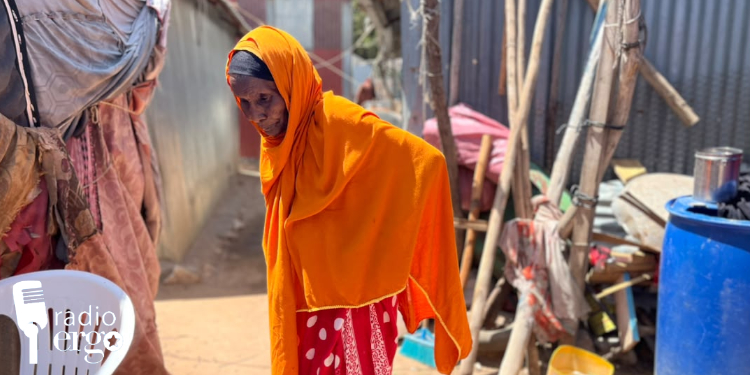
(ERGO) – Roda Hassan Aw Ahmed has been struggling to provide enough food for her family of 10 since her small shop selling vegetables and traditional cooked food was closed on 1st September. She made $4 to $6 a day from the business, which she relied on as her household’s sole provider.
Hers was among 70 small businesses run mostly by displaced people were closed down by a road expansion project led by the Hargeisa municipal authorities.
Roda said they were not given an alternative site and she can’t afford to rent another place. She hangs around at her shop site, where construction vehicles are now active.
“We have been badly affected. The excavator destroyed the place where we used to trade. Our shops collapsed, and our goods are still buried under the rubble. We have received no assistance and have lost what we had,” she said.
“One person told me he would bring a water tanker, but that was the last time I saw him. Now we collect water in jerrycans from different places, and we are struggling.”
Roda’s 26-year-old son has been held by traffickers in Libya for six months, and his condition is worsening. She described receiving calls from the group holding him as they torture him whilst demanding a ransom for his release.
Her relatives are too poor to help. Her husband is another source of concern for the family, adding to the hardships.
“My husband suffered a stroke according to a doctor who examined him and is now bedridden. What do you expect when there is not even 1,000 shillings for his needs? Only God can help us,” she said.
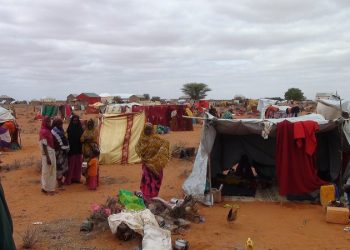
Roda’s shop income had been enough to meet the family’s daily needs, but their living conditions have deteriorated since it closed. Her family has lived in displacement in Hargeisa for more than 20 years. This is their most difficult period. She had hoped to use the business to move her family out of the camp but has now lost that hope.
Other families affected by the road expansion are facing similar financial difficulties. Yusur Muhumed Buni, 94, said her family of nine depended on a small tea shop that had to close.
No one else in the family earns an income. They relied on the $5 she earned each day to meet basic needs, particularly food.
“We earned 50,000 Somaliland shillings a day from the small tea shop, which was enough for us. Now we are just sitting here empty-handed, with nothing to rely on,” she said.
Yusur cares for a son who has had a mental health condition for three years and requires additional care. She used to pay for his medicines and other necessities from the business but can no longer afford them. His condition and the responsibility of supporting the family have added to her burden.
Her second son, who worked in construction, also contributed to their income but is now unemployed because building in the city has declined and he can no longer find people to hire him.
The families affected by the road expansion include those who lost their trading spaces when the road was expanded and others left with much smaller spaces that are inadequate.
The municipal authorities have declined to provide information on the impact of the road project or whether they have alternative plans for those affected.
The secretary to the chairman of the State House IDP camp, Abdirizak Abdullahi Ismael, said the project has had a significant economic impact., as traders lost access to free spaces to run their businesses.
“The work has stopped, and people have lost the little income they depended on. The road expansion has caused severe financial hardship,” he said.
Many families in State House camp are now struggling to meet basic needs, including food, school fees and water, he added, and needed a solution to help them stand on their feet again.