

(ERGO) – Bank loans repayable over a year have enabled displaced families in Dinsor, southern Somalia’s Bay region, to open small businesses that pay for rent, household necessities, and education for their children.
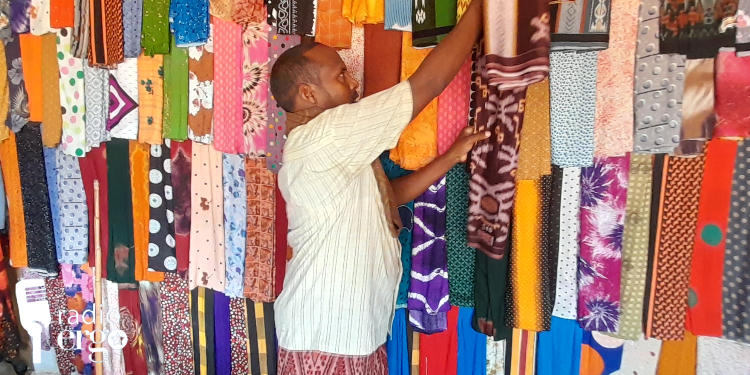
Ahmed Liban Ali opened a shop selling food and household goods on 7 May with the $500 loan he received from Salama Bank. He earns an average of $5–$7 a day that supports his household of 11, pays school fees, and allows for restocking the shop and repaying the loan.
“When I started, I had nothing. I invested in the shop, and our lives have changed significantly. Our difficult situation has improved,” he told Radio Ergo.
Ahmed, 47, used to get odd jobs for $3–$4 a day, and had to ask others for help when he had no income. He opened his shop in a busy neighbourhood where there were no similar businesses, attracting regular customers despite having no previous experience.
“We sometimes went without food or cooked only one meal a day. Now we cook three meals a day. I used to worry about how to feed my children and had to rely on debt and begging,” he said.
Ahmed moved his family out of Bulal displacement camp in September. He rented two rooms and a toilet in Waberi neighbourhood for $50 a month, ending nearly three years living in a small flimsy shelter.
For the first time, he has enrolled five of his children in primary school and Koranic classes paying $25 a month. He spends about $14 a month on water and electricity and estimates that his shop stock and savings are worth about $1,000.
Ahmed’s family fled rural Qansah-dhere district in early 2024 after drought killed their last 100 goats and 19 cattle.
He is among a group of 89 men who decided to seek loans together because they were unemployed and facing difficult circumstances as household heads without any income. As they were living in the same camp, they discussed their situation and jointly pursued the idea, encouraged by others who had taken a similar initiative.
Daud Nur Ali Daud and his family had lived in Bulal camp, outside Dinsor, since fleeing Oflow village in Bay region in 2023 after poor rainfall ruined their three-hectare farm and they lost 70 goats. He took a loan and rented a shop for $15 and invested $300 in vegetables and other goods. The business earns him at least $6 a day, providing a more reliable income for his household of eight.
“Now we can cook three meals a day, and I am making a profit. My life has improved significantly, whereas before I was struggling,” he said.
Daud used to earn $4 from casual construction jobs but often went a whole week without work. Between July and September, he repaid $90 of his loan, leaving $410 outstanding that he plans to pay off $30 a month.
He is pleased with his progress: “I enrolled three of my children in school, repaid a separate debt of $50 and rented a two-room house. We previously lived in a makeshift shelter that offered no protection from rain or heat.”
The men formed a committee to prepare the required documents and secure guarantors among local businessmen and community elders. They presented their loan proposal to Salaam Bank and accessed the loans on the same day.
Aweys Hassan Mayow, a businessman who owns a hardware shop in Dinsor, said the businesses were helping families meet their needs and repay their loans. He acted as a guarantor for Ahmed and several of his friends.
“Many of the displaced people we guaranteed have seen major changes in their lives and benefited from the businesses they started. Some still have a large part of their loans to repay, but their progress means they should be able to clear the debts soon,” he said.
The guarantors monitor the businesses and loan repayments and help the men resolve any difficulties. They have also encouraged the borrowers to establish a joint savings fund so they can support members who face financial problems.
Since September, the men have been contributing $1 each to the fund. Aweys said they hoped to use the savings to help members in need and eventually guarantee loans for more families after the current borrowers have repaid their debts.