

(ERGO) – Many displaced families in Baidoa are transforming their lives from aid dependency to a sustainable way of living through their own careful planning and determination.
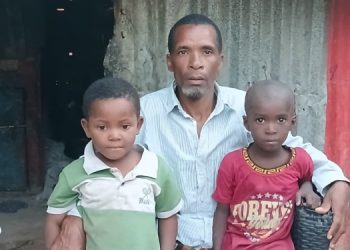
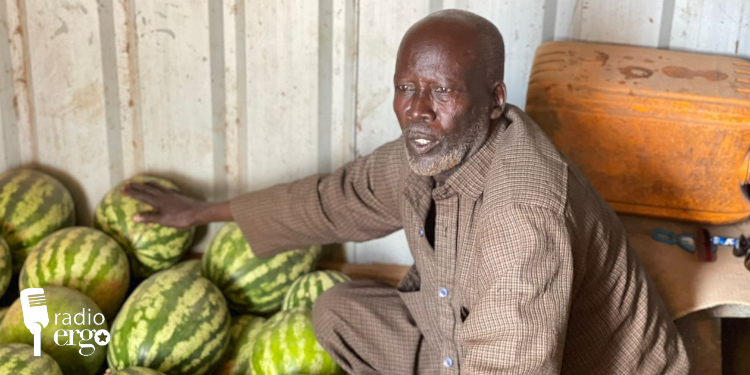
Hassan Ibrahim Abdi, living in Warishe camp in southern Baidoa, has successfully provided for his family of seven since April after establishing a business with $3,000 that he painstakingly saved over five years.
He set aside $50 each month from the $120 cash assistance he received from humanitarian organisations.
Hassan’s foresight proved critical as he was among nearly 300 families whose monthly cash assistance was discontinued in March.
“I saved the money because there was no guarantee it would last forever. It could end someday. That is why I planned my daily life and saved something. Now I have started a business, and God willing, I will continue to expand it,” he told Radio Ergo.
The 75-year-old, who had depended on cash assistance from organisations for over five years, now runs a shop selling vegetables and construction timber. His business yields between eight and ten dollars daily, enabling him to provide three meals per day for his family.
Among other achievements, Hassan purchased four goats and cows this month for a total of $400.
“Aid is not something you can rely on every month, so I thought about saving something. Any situation can arise for a family, like illness or other difficulties. There must be another way to escape if the situation becomes tough,” Hassan stated.
This year, he enrolled two of his sons in first grade at Al Qalam primary school, paying combined fees of $20 monthly. He couldn’t afford this before his business started thriving.
His family was displaced from Booram, 30 kilometres from Baidoa, in 2018 when drought decimated their livestock, their primary livelihood source. Hassan now plans to relocate his family permanently from the displacement camp to the town.
Ali Mohamed Ibrahim has experienced a similar economic transformation that allows him to sustainably manage his family’s needs.
In May, he opened a grocery and general goods store that earns between nine and ten dollars daily. He successfully repaid a $400 debt accumulated when he first arrived in the area, which took him one full year to clear.
He contrasts his previous circumstances with his favourable self-sufficiency:
“Before, we were waiting for someone to give us something. We used to ask ourselves if the month’s aid had arrived, and how much was left. Sometimes it would be cut off. This month, how could we be angry with someone who gave us something? now we don’t have that worry, and we are independent,” he told Radio Ergo.
Ali saved $1,800 over two and a half years by reserving $60 monthly from humanitarian aid.
“I feel a great change and I’m not like before. Many things have improved in my life. Besides settling my family’s daily needs, I have managed to buy beautiful clothes for my children that they didn’t have before,” he added.
He pays $20 monthly for four of his children now enrolled in both formal and Koranic schools. Ali’s family were rain-fed farmers displaced from Warishe in Bay region at the beginning of 2022, abandoning their three-hectare farm due to combined drought and conflict.
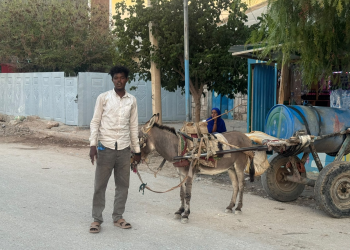
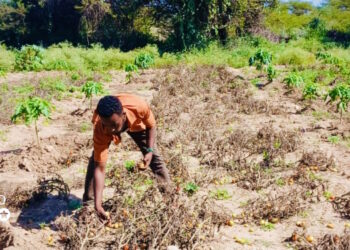
Another success story of independence from aid is shown by Ibrahim Mohamed Yusuf, 29, who was encouraged by friends who also received cash aid to save up specifically to start a business.
When his humanitarian aid payments officially ended in April, he launched a small vegetable business using $540 saved over 18 months by setting aside $30 monthly. This enterprise now earns between six and seven dollars daily, significantly improving his family’s circumstances.
“I use it to support my family’s life, and other needs for the children, like their medical treatment and education, as they are now attending school and Koranic school. The burdens I had are gone!” he said.
Ibrahim acknowledged that while he lacked prior business experience, his friends’ examples inspired him to open the vegetable shop, turning their savings advice into what he calls a golden opportunity that transformed his living situation.