

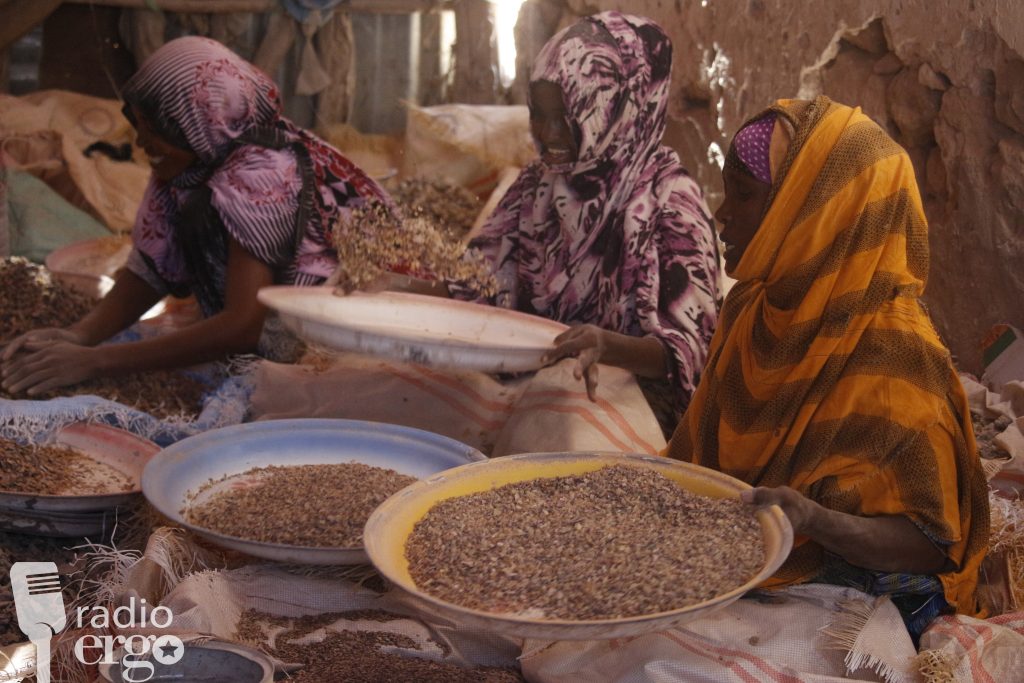
(ERGO) – Thousands of families in in northern Somalia’s Bari region have been plunged into poverty after recent storms destroyed hundreds of frankincense trees that provide them with a livelihood.
“The people in this area depend on frankincense, about 80 percent of them rely on it, but it’s been affected by the wind and many trees have been damaged,” said Yasin Ali Mohamed, a frankincense farmer.
“Right now, except for the little aid that the local Muslim community and the villagers have gathered for us, we don’t have anything else, and no one has come to help.”
Storms in July uprooted or snapped 30 of his trees on his farm outside Qorahad, located 80 km south of Bargal. Other areas affected include Hafun and Fo’ar.
Yasin, who has been farming frankincense for 15 years, normally earned enough to support his family of eight from his harvests of resin. This year has been devastating, as even prior to the storms his herd of 50 goats had already been ailing from long periods of drought due to failed rains.
His house was also destroyed in the storms that hit this stretch of the north-eastern coastline of Puntland.
“The children are staying in an open area under the sun, and we don’t have the financial means to rebuild the house. It had two rooms and we also had our food stored in there, but now everything is broken and scattered,” he told Radio Ergo.
Another farmer in Fo’ar, Ahmed Said Duala lost 30 of his 40 trees, which he had been tending for three decades. He explained that the trees on the hilltops were especially vulnerable to the extreme wind.
Since the disaster, Ahmed’s family has been surviving on 10 kilograms of flour and rice provided by relatives in Bargal. With only one meal per day, it is particularly challenging for his young children.
“One of the challenges we faced working to make a living from frankincense is that we accumulated debts and haven’t paid back the people who supported us. We can’t even afford a single item now,” he said.
Water scarcity compounds their struggles, with a barrel of water costing $6 in Fo’ar. Poor roads make it difficult for trucks to deliver water to the village from Bargal. Ahmed owes $120 for the 20 barrels he last purchased on credit. With no other resources, his family is relying on small water donations from neighbours, which are insufficient for their needs.
His remaining 10 trees, spared by the winds, have been damaged by monkeys that stripped their bark and resin, eliminating any chance of income. Unable to work the trees himself, Ahmed used to hire labourers and earned $300 a month that sustained his family of 10 people.
Like Yasin, Ahmed’s goats were a fallback source of income but successive failed rainy seasons have killed many of his goats, leaving only a few weak animals that provide neither milk nor meat.
“The people here relied on frankincense and livestock, both of which are gone. Drought and lack of rain have dried up the land. Malnutrition is widespread because people used to live off their livestock. I used to work on frankincense myself, but last year was the last time I made any harvest and I didn’t earn anything from it,” said Ahmed.
Five of Ahmed’s children were expelled from school in August as he couldn’t pay the $60 monthly tuition fees. He expressed little hope of being able to send them back, as all sources of income have dried up.
The community, once sustained by frankincense and livestock, has been crippled by extreme weather including drought and storms.
The commissioner of Gumbah, Mohamed Salah Omar, confirmed the widespread impact of climate extremes on the region’s economy. The economic downturn has been felt in Gumbah, where frankincense, livestock, and fishing are the major source of income.
The commissioner stated that despite efforts such as clearing roads to improve access, the severity of the situation has made it difficult to provide effective relief to the remote communities affected.
“I’ve taken steps to create roads and pathways, using income from the land we cultivated. But frankincense is something that is harvested once a year. These people face severe challenges, relying on an annual harvest, and expenses are rising due to drought. It’s possible they won’t even recover what they invested, and they are burdened with debt. Overall, these are people in desperate need of support,” the commissioner stated.
The endangered frankincense trees can take 10 years before they produce resin, so planting new trees offers no immediate solution for the Somali farmers. Their livelihoods are in peril despite the high value of frankincense in international markets where it is used in perfumes, incense, and luxury oils.Thousands of families in in northern Somalia’s Bari region have been plunged into poverty after recent storms destroyed hundreds of frankincense trees that provide them with a livelihood.
“The people in this area depend on frankincense, about 80 percent of them rely on it, but it’s been affected by the wind and many trees have been damaged,” said Yasin Ali Mohamed, a frankincense farmer.
“Right now, except for the little aid that the local Muslim community and the villagers have gathered for us, we don’t have anything else, and no one has come to help.”
Storms in July uprooted or snapped 30 of his trees on his farm outside Qorahad, located 80 km south of Bargal. Other areas affected include Hafun and Fo’ar.
Yasin, who has been farming frankincense for 15 years, normally earned enough to support his family of eight from his harvests of resin. This year has been devastating, as even prior to the storms his herd of 50 goats had already been ailing from long periods of drought due to failed rains.
His house was also destroyed in the storms that hit this stretch of the north-eastern coastline of Puntland.
“The children are staying in an open area under the sun, and we don’t have the financial means to rebuild the house. It had two rooms and we also had our food stored in there, but now everything is broken and scattered,” he told Radio Ergo.
Another farmer in Fo’ar, Ahmed Said Duala lost 30 of his 40 trees, which he had been tending for three decades. He explained that the trees on the hilltops were especially vulnerable to the extreme wind.
Since the disaster, Ahmed’s family has been surviving on 10 kilograms of flour and rice provided by relatives in Bargal. With only one meal per day, it is particularly challenging for his young children.
“One of the challenges we faced working to make a living from frankincense is that we accumulated debts and haven’t paid back the people who supported us. We can’t even afford a single item now,” he said.
Water scarcity compounds their struggles, with a barrel of water costing $6 in Fo’ar. Poor roads make it difficult for trucks to deliver water to the village from Bargal. Ahmed owes $120 for the 20 barrels he last purchased on credit. With no other resources, his family is relying on small water donations from neighbours, which are insufficient for their needs.
His remaining 10 trees, spared by the winds, have been damaged by monkeys that stripped their bark and resin, eliminating any chance of income. Unable to work the trees himself, Ahmed used to hire labourers and earned $300 a month that sustained his family of 10 people.
Like Yasin, Ahmed’s goats were a fallback source of income but successive failed rainy seasons have killed many of his goats, leaving only a few weak animals that provide neither milk nor meat.
“The people here relied on frankincense and livestock, both of which are gone. Drought and lack of rain have dried up the land. Malnutrition is widespread because people used to live off their livestock. I used to work on frankincense myself, but last year was the last time I made any harvest and I didn’t earn anything from it,” said Ahmed.
Five of Ahmed’s children were expelled from school in August as he couldn’t pay the $60 monthly tuition fees. He expressed little hope of being able to send them back, as all sources of income have dried up.
The community, once sustained by frankincense and livestock, has been crippled by extreme weather including drought and storms.
The commissioner of Gumbah, Mohamed Salah Omar, confirmed the widespread impact of climate extremes on the region’s economy. The economic downturn has been felt in Gumbah, where frankincense, livestock, and fishing are the major source of income.
The commissioner stated that despite efforts such as clearing roads to improve access, the severity of the situation has made it difficult to provide effective relief to the remote communities affected.
“I’ve taken steps to create roads and pathways, using income from the land we cultivated. But frankincense is something that is harvested once a year. These people face severe challenges, relying on an annual harvest, and expenses are rising due to drought. It’s possible they won’t even recover what they invested, and they are burdened with debt. Overall, these are people in desperate need of support,” the commissioner stated.
The endangered frankincense trees can take 10 years before they produce resin, so planting new trees offers no immediate solution for the Somali farmers. Their livelihoods are in peril despite the high value of frankincense in international markets where it is used in perfumes, incense, and luxury oils.