

(ERGO) – Seven people have died and 235 others have been infected in an outbreak of acute watery diarrhea in Bula Haji, about 90 kilometres west of Kismayo in southern Somalia’s Lower Juba region, since mid-June, according to volunteer doctors providing emergency treatment in the area.
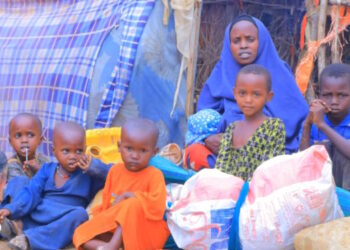
The outbreak has affected displaced families and pastoralists living in remote settlements where access to safe drinking water and healthcare is limited. Residents rely on untreated water from shallow wells, while the nearest hospital is a long journey aways in Kismayo.
Dr Hassan Hussein Mohamed, one of the volunteer doctors working in Bula Haji, said contaminated drinking water was the main cause of the outbreak and that medical supplies were running low as more patients continued to arrive.
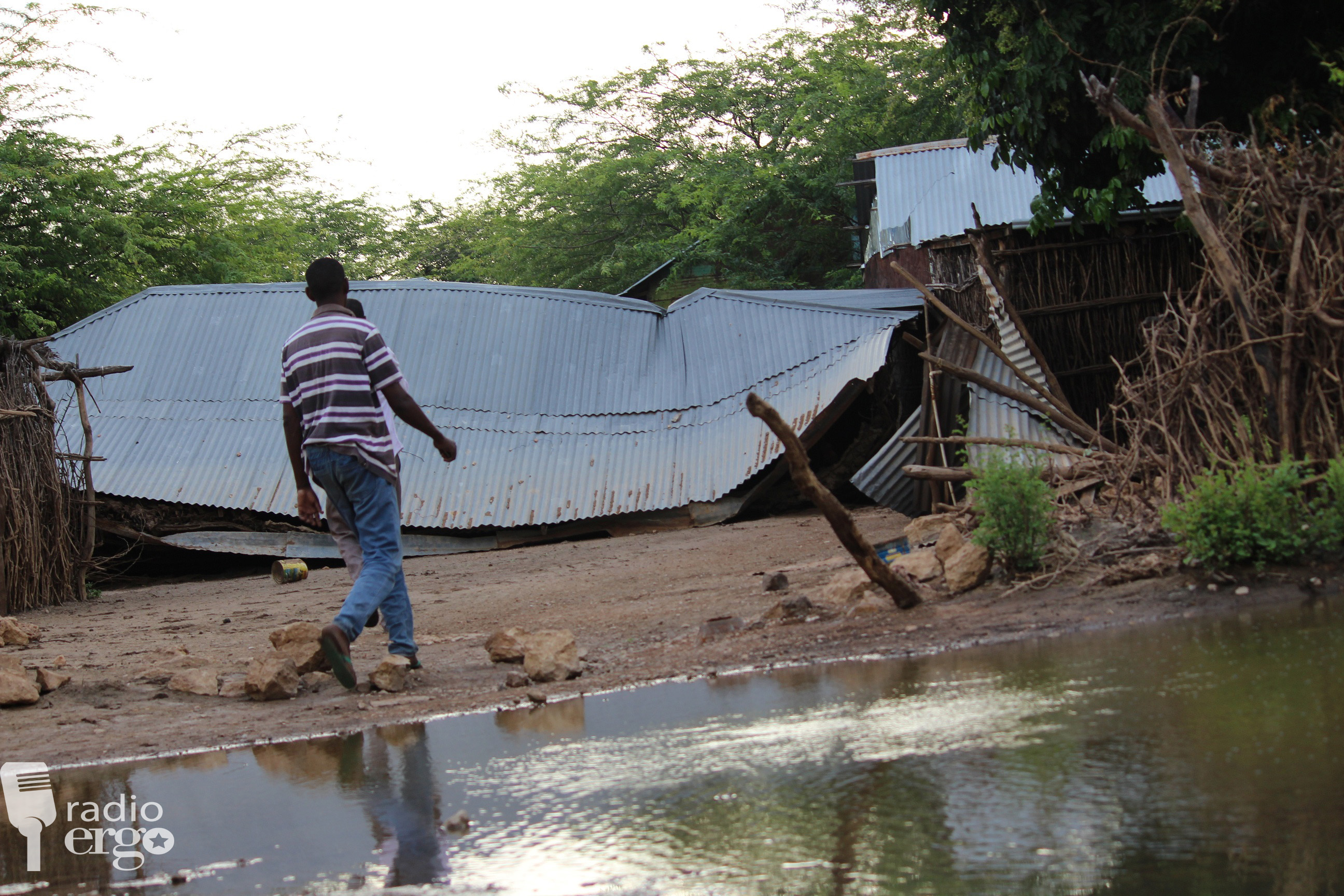
“We are giving patients oral rehydration salts, intravenous fluids, and other basic medicines. The disease is spreading because people are drinking contaminated water. When the number of patients increased, the Ministry of Health provided us with a tent. Before that, we were treating people in a private compound enclosed with corrugated iron sheets that local residents put together,” Dr Hassan told Radio Ergo.
Pastoralist Adan Bakaal Sheikh’s two year-old son died in early July after developing severe watery diarrhea while the family was in the remote village of Qura’dher. Adan said there was no health facility nearby, forcing the family to begin a long journey on foot in search of treatment.
“He started having diarrhea and it became worse. We recited the Koran for him because there was no treatment available. His eyes became sunken. We were told there was medical care in Bula Haji, so my wife and I carried him there. My wife became exhausted because the diarrhea never stopped,” he narrated.
Adan said they walked for three days and three nights carrying their son, as they had no transport. Near Bula Haji, a passer-by offered them a donkey cart when his wife became too weak to continue walking. Heavy rains and damaged roads delayed them further.
“We couldn’t hire a vehicle because none could reach where we were. It was a very remote place. When we finally got closer, someone helped us with a donkey cart. By then our child was already critically ill,” he said.
His son died six hours after arriving at the temporary treatment centre:
“The doctor told us the watery diarrhea had killed him. He said that if our son had received medical treatment earlier, he could have recovered. He asked why we had brought him so late, and we explained how difficult it had been to reach Bula Haji.”
Adan and his wife returned to their village without their youngest child. The family currently has four cows and 10 goats left, after most of their livestock during cycles of drought.
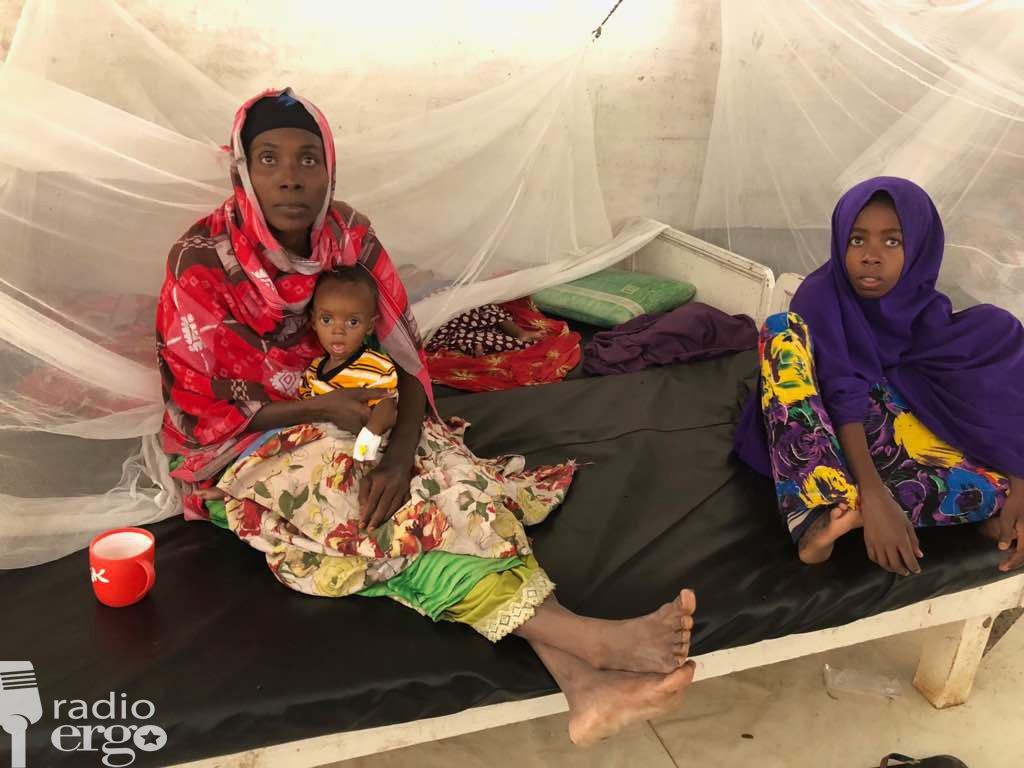
Bula Haji has no functioning hospital or permanent health facility. Residents have set up two temporary treatment tents with four beds for the sick. The Jubbaland Ministry of Health supplied a limited quantity of medicines, but health workers say stocks are nearly exhausted.
Many of the patients are from displacement camps around Bula Haji, including Fadumo Hilowle Omar, whose two-and-a-half-year-old son fell ill with watery diarrhea on 25 June. She first took him to the
temporary clinic, where she was advised to seek treatment in Kismayo because of the seriousness of his condition. She struggled to raise the $16 transport fare.
“People told me my child might die before we reached the town because he was so weak. I told the driver I had no money and begged him to take us on credit. When we reached the hospital in Kismayo, they admitted him immediately and started treatment,” Fadumo said.
Her son recovered after several days in Kismayo General Hospital and was discharged on 1 July.
“When my son’s strength returned, the diarrhea stopped, and he had received all the medicines he needed, we came back home. The doctors told me he had been in a very serious condition and had been admitted to the ward for critically ill children.”
Fadumo’s family was displaced to Bula Haji in February after drought wiped out their herd of 25 cattle and 50 goats. Her household of 10 people now depends on her husband’s casual labour, making just $1.50 on the days he finds work.
“Life is very difficult. There are no jobs. My husband wants to work but there is nothing to do. We lost all our cattle and goats. Now we usually eat only once a day,” Fadumo said.