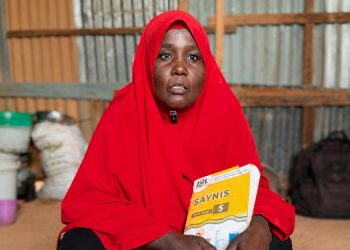


(ERGO) – Maryan Ali Booley, a widowed mother of six, has been unable to find work for the past few months despite walking into Mogadishu every morning looking for laundry jobs.
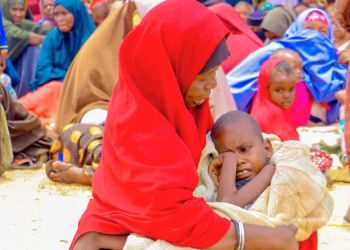
She and her children living in Adale IDP camp in Deynile district are short of food and eat just once a day with some help from relatives in town.
For two years, Maryan counted on earning $4 to $5 a day from laundry jobs but people in the better off areas have been turning to washing machines, putting many displaced women like her out of work.
“I walk every day to the houses in the city asking who needs clothes to be washed, who needs clothes to be ironed? There is no one to talk to me. I get laughed at when I knock on people’s doors asking if they need their clothes washed. They say don’t knock on our door again and so I come home without any work,” she complained.
Four of her children in primary and middle school in the camp dropped out on 25 March as she failed to pay the $20 monthly fees. She used to handwash clothes regularly for 20 families living in Mogadishu. But these days she can hardly find one client as they have switched to using laundry companies.
She tried for a job in a laundry company herself but struggled to navigate the equipment and felt uncomfortable with the machines.
“They use electricity and if you get electrocuted, you will die won’t you? They say they paid hundreds of dollars for the machine, and if anything happens to it it’s on you. Where would I get that money? I’m just a poor person. You press a button with something written on it but if you don’t know what it says how can you use it? I have children and I don’t have anyone to help me if I get arrested,” Maryan explained to Radio Ergo’s local reporter.
Maryan said her clients have been turning to laundry companies because the machines finish the job in two hours and the company provides the soap and water.
Maryan’s family was displaced from Barire in Lower Shabelle region in July 2020. They left behind their 60 goats and a four-hectare farm after her husband was killed by Al-Shabab militia.
“We were a prosperous family, everyone including both parents and children used to get something from our farm. We needed no one, people came to buy our crops when they were harvested. But when my husband died, we became needy and displaced. Nobody has helped us or remembered us. My children and I came here for peace, we live alone,” she said.
Rabiyo Ali Noor, also living in Adale camp, has been out of work since February. For four years, she was relying on the few dollars she earned from daily laundry jobs.
“We don’t get jobs to wash clothes any more. We didn’t get an education before so we can’t understand the washing machines. There is a machine in every house now and we are destitute people. We would like to get an education so that we can also get jobs,” she said.
Rabiyo said they cook once a day. Her husband gets called up twice a week for construction jobs earning $7-8. They have run up a debt of $290 on food at a local store and the owner has been pressuring them since May to settle.
“Previously we got regular jobs, I was getting calls on the phone saying come over and wash my clothes. But now there is no work in the city,” she said.
In 2019, Rabiyo’s family was displaced from Burhakaba in Bay region, where they lost their two cows and 120 goats to the prolonged drought.
They first joined Boca-Yarey camp in Deynile district after being displaced. She pointed out that the purpose of coming to Mogadishu was to find jobs, but machines are quickly replacing all the small jobs that sustain her and many other IDP families.
Rabiyo and Maryan are among the 250 or so women in Adale IDP camp who were relying on washing clothes for a living. The picture is likely to be similar in other camps.
According to the owner of Tayo laundry services, Abdimalik Abdikarim Adan, Mogadishu has many job opportunities. He said he has hired eight people, including three women.
However, he explained that despite efforts to employ women from the camps he has found they do not usually understand how to use the machines.
“I always get the mothers coming to look for jobs, they need to get basic education like reading to help them use the machines. We can’t just let someone with no understanding of the machines and electricity into the place, we can’t afford to teach them and give them a job,” Abdimalik said.