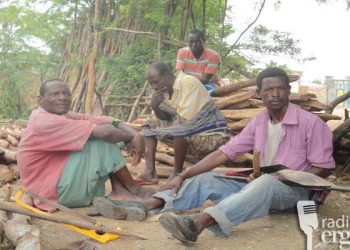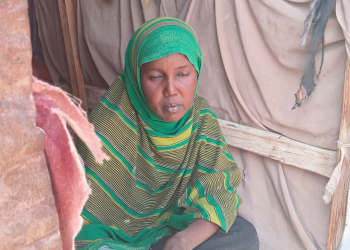


About 4,000 displaced families ravaged by drought and conflict in Somalia’s Lower Shabelle region say they are happy to be receiving cash aid that has improved their lives.
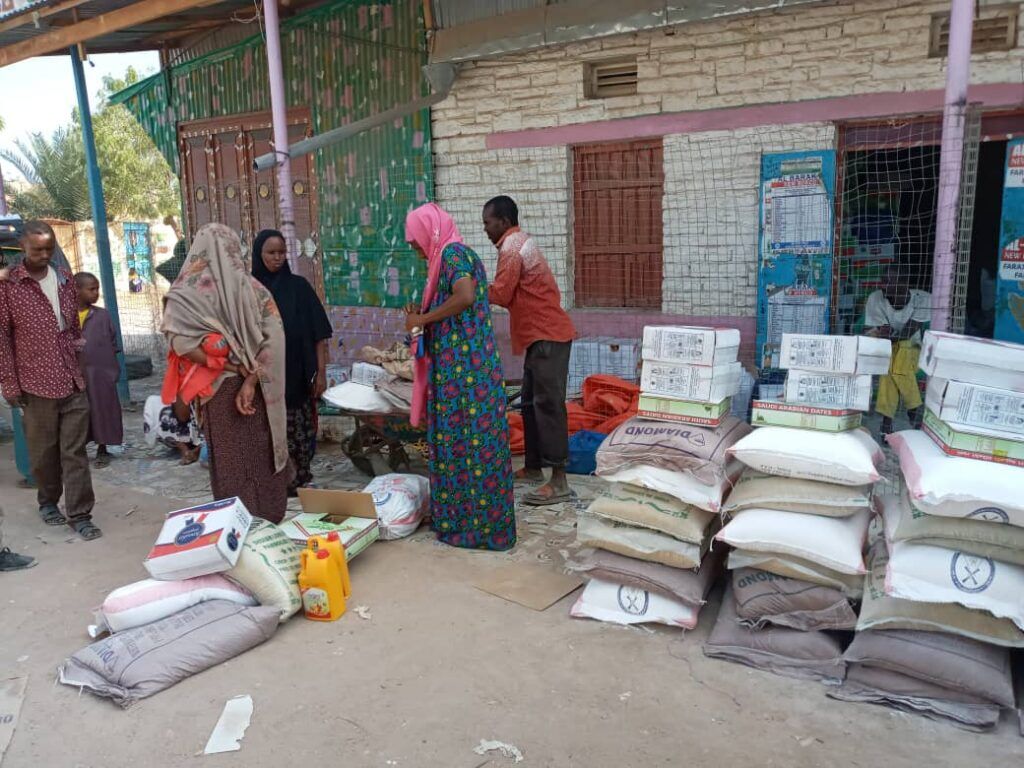
Those with phones received the cash by mobile transfer, while others with no phones get cards and collect food and other items from various stores in Marka, Lower Shabelle.
This cash aid is intended to run for two years.
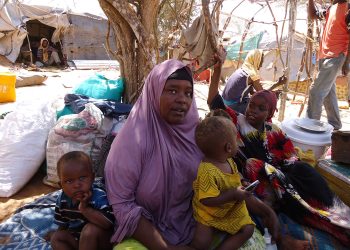
Maryan Mohamed Mohamud, who received the first installment of the money in January, said it has turned things around for her family of eight.
They were displaced to Marka from El-Waregow in May 2021 following drought and conflict in their village.
They were struggling to get food, sometimes cooking one meal in two days, and other times eating whatever their neighbours had to share. She no longer has to spend most of her time thinking about food.
“I visit local stores and get rice, sugar, and some powdered milk. It is not enough, but we thank God for what we have got. I have my husband, children, my elderly mother, and my brother who is on medication,” Maryan said.
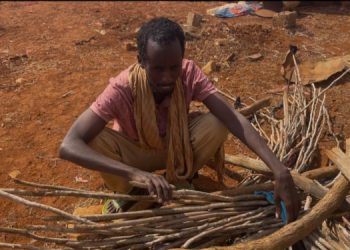
Maryan’s husband earns $20-25 after preparing charcoal for about two months. She collects firewood earning about a dollar (30,000 Somali shillings) on a good day.
“My husband and I have been supporting each other, the father burns charcoal and I would go to sell firewood in the city,” she said.
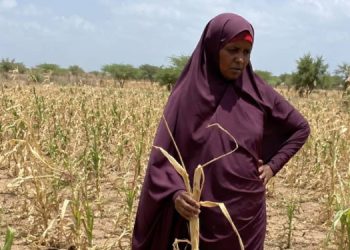
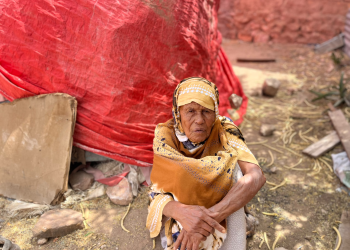
The IDPs, who include children, women and elderly people, were displaced from different villages in Qoryolley including El-Waregow, Bulo-Nagey, Lambar 60, and Mushane. They were farmers and pastoralists and faced food shortage after moving to sprawling camps on the outskirts of Marka.
Getting three meals a day instead of one
Abdikadir Abdullahi Adani, who is also receiving the cash aid, noted that his family now gets all three meals a day instead of just one previously.
“After the aid organisations started giving us the aid, there have been notable changes, the burden has been lifted off us. We no longer worry about food. We request the aid organisations to continue helping us,” he said.
Abdikadir, with nine children, used to earn small amounts burning charcoal and selling livestock fodder.
In 2021 he and his family were displaced from Malin Osman village in Lower Shabelle by conflict.
Advocating for cash aid
The deputy head of social affairs for the local authority in Marka, Abdullahi Sha’ir, told Radio Ergo they have been helping the IDPs and advocating for them to get aid.
“We take the aid organisations to the people and tell them about the situation of the people and they also do their surveys. Once they get the information they share it with the aid donors and that’s how they eventually get the aid,” he said.
The first cash stipend was distributed on 1 January, and families immediately started accessing food from the stores. The cash is delivered by Juba Foundation, a partner of the UN’s World Food Programme.
Lower Shabelle is one of the most agriculturally productive regions in Somalia although it has been ravaged by recurring drought and conflict. Most of the IDPs say they hope to get a chance to safely return to their villages to resuming their farming or pastoralism.