

(ERGO) – Young volunteers in southern Somalia’s flood-hit Beletweyn town have been doing their best to ease the misery of displaced families unable to access basic needs as a result of the flooding.
Abdiaziz Mohamoud Mudde, the head of the volunteer youth group, told Radio Ergo they focused on getting food and water to families who were living in four IDP camps in Koshin and Hawa Tako in Beletweyn.
They distributed food to 222 families, with 150 of these families also receiving water, after raising funds from the local and diaspora communities.
“We recorded videos and took photos of the affected people, then we shared them on social media. Diaspora communities were the first to respond and extend help,” Abdiaziz said.
They raised money and food from local businesses in Hiran region as well.
They were able to identify the worst affected people with help from community elders and allocated $39 for each family with a barrel of water a day for five days. They have also provided assistance to the elderly and orphans.
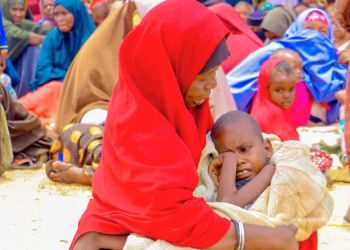
Hassan Farah Omar, a father of 12, has been camped out in El-jalle, a site of higher ground outside the town, for the last 16 days. Hassan said their main problem was the lack of drinking water, forcing his wife and children to trek daily to bring back water even though it was not fit for human consumption.
“We were in a desperate situation until our brothers came to our rescue. They supplied water in bowsers, food such as wheat flour, rice, sugar, dates, and cooking oil. This is the only help we got, no one else came to our rescue,” he said.
Most displaced people depend on casual jobs, which are longer available because of the floods. Hassan was working as a casual laborer on a construction site before the floods, but he can no longer provide for his family.
Youth leader Abdiaziz said they also built four temporary latrines within the IDP camps to help prevent the outbreak of diseases related to poor sanitation.
However, the food distributed by the group has not been enough to satisfy the needs of all the displaced families. The five days’ worth of rations given to each family usually ran out earlier.
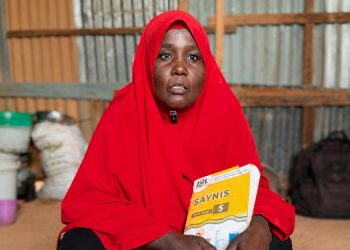
Fadumo Abdi Ali, a mother of eight, told Radio Ergo they ran short of food because her family had to share with their relatives and neighbours who did not receive the food ration.
“We were sharing what was available, there is nothing remaining now, but we shall be content with what God will provide for us, even if it’s little,” she said.