Radio Ergo - Somali Humanitarian News and Information
  • Home
  • Topics
    • Latest Stories
    • IDPS/Refugees
    • Natural Disasters
    • Health
    • Social
    • Food Security
    • Education
    • Agriculture & Livestock
  • Programmes
    • Locust Programme
    • Farming Programme
    • Radio Doctor Programme
    • Women Programme
    • Entertainment Programme
  • About Radio Ergo
  • Contact Us
  • blankEnglish
No Result
View All Result
Radio Ergo - Somali Humanitarian News and Information
  • Home
  • Topics
    • Latest Stories
    • IDPS/Refugees
    • Natural Disasters
    • Health
    • Social
    • Food Security
    • Education
    • Agriculture & Livestock
  • Programmes
    • Locust Programme
    • Farming Programme
    • Radio Doctor Programme
    • Women Programme
    • Entertainment Programme
  • About Radio Ergo
  • Contact Us
  • blankEnglish
No Result
View All Result
Radio Ergo - Somali Humanitarian News and Information
Home AGRICULTURE & LIVESTOCK

RETURNED REFUGEE FARMER SAYS LIFE IN BAIDOA HAS IMPROVED

admin by admin
February 16, 2016
in AGRICULTURE & LIVESTOCK
0
RETURNED REFUGEE FARMER SAYS LIFE IN BAIDOA HAS IMPROVED

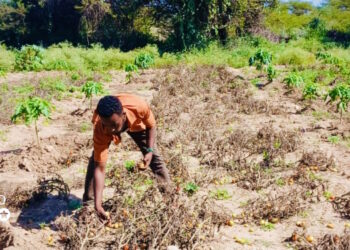
Farm workers out of work following prolonged drought/File Photo

0
SHARES
Share on FacebookShare on Twitter

(ERGO) – It is now just over three years since Mahamud Hassan Hussein, 76, left the Dadaab refugee camps in Kenya to return to his farm in Baidoa.

He and his 12-member family live in their own house at Boonkaay, 10 km from Baidoa town, and are now earning a living from their farm.

Ten days ago, Mahamud took 20 bags of sorghum to market and sold them for four million Somali shillings, around $200.

This is enough to cater for the fees for his six children in primary school and for the other family expenses for the rest of the month.

Mahamud goes to work on his farm every morning, as he has done since he returned in November 2012. It is a routine he has come to appreciate after living for 13 years in Ifo I camp in Dadaab, where life was restricted.

“I thought there was abundance in the refugee camp.  But in the many years that I was living in Ifo I camp insufficient food was distributed by the NGOs, and despite the fact that my children had access to free education there, we didn’t enjoy freedom of movement,” said Mahamud.

“The main reasons we became refugees were to live in a safe place where there was peace and to have a life that was better than the one we were living in our own country. But when I realised the deteriorating security there [in Kenya], I decided to come back to my home country and earn a living digging my own farm.”

When he left Baidoa in 1999 due to a combination of conflict and drought, unlike many local farmers Mahamud did not sell his farm.

It took him two years to get the farm land back in shape for planting, and to remove the bush that had grown over it in his absence.  He also had to repair and restore the house. As the family cleared a portion of the eight hectares of land, they planted seeds.

Mahamud calculated that he spent six to seven million shillings on repairs to both the house and the farm. He acquired some of the money as a loan and the rest as a donation from relatives.

He planted sorghum, maize, beans and groundnuts and has so far produced four harvests.

While there are eight goats to provide milk for the family, Mahamud is still working on restocking the livestock he had which were stolen before he fled the country.

Life is good, he says, and there are good reasons to stay in Somalia.

“We are lacking nothing at the moment. We are happy about our lives as we eat the products of the work of our hands. We keep some of the harvest in reserve for our food and sell the surplus. We feel relieved of the refugee life,” Mahamud said.
Previous Post

PUNTLAND VETS TREAT DEADLY GOAT DISEASE IN SOOL

Next Post

SHEEP DYING IN BUHODLE

Related Posts

blank
AGRICULTURE & LIVESTOCK

Farmers in Bari, Puntland, weighed down by drought and unpayable debts

March 4, 2026
blank
AGRICULTURE & LIVESTOCK

Drought and disease kill off pastoralists’ herds in remote Sanag villages

February 17, 2026
Pastoralists with nothing left descend on Lasanod town and surroundings in Sool
AGRICULTURE & LIVESTOCK

Pastoralists with nothing left descend on Lasanod town and surroundings in Sool

February 10, 2026
Somali refugees in Dadaab decry cutting of cash transfers for food
AGRICULTURE & LIVESTOCK

War and drought in Puntland continue to punish displaced families in Bari region

February 3, 2026
Lower Juba farmers get good harvests that help recovery from 2023 river floods
AGRICULTURE & LIVESTOCK

Mudug pastoralists earning good income from farming vegetables

January 27, 2026
blank
AGRICULTURE & LIVESTOCK

Baidoa IDP camps fill up with drought-hit farming and herding families

January 26, 2026
Next Post
SOMALI HERDERS IN GEDO WELCOME CAMPAIGN TO TREAT SICK GOATS

SHEEP DYING IN BUHODLE

FOLLOW US ON FACEBOOK

DAILY PROGRAMMES

IDAACADDA 15-APR-2026

IDAACADDA 15-APR-2026 by Radio Ergo

IDAACADDA 15-APR-2026
Episode play icon
IDAACADDA 15-APR-2026
April 15, 2026
Episode play icon
IDAACADDA 14-APR-2026
April 14, 2026
Episode play icon
IDAACADDA 13-APR-2026
April 13, 2026
Episode play icon
IDAACADDA 12-APR-2026
April 12, 2026
Episode play icon
IDAACADDA 11-APR-2026
April 11, 2026
Search Results placeholder
Radio Ergo Weekly Newsletter
We respect your privacy.
blank
blank
blank

© Copyright 2014 - 2024 Radio Ergo

No Result
View All Result
  • Home
  • Topics
    • Latest Stories
    • IDPS/Refugees
    • Natural Disasters
    • Health
    • Social
    • Food Security
    • Education
    • Agriculture & Livestock
  • Programmes
    • Locust Programme
    • Farming Programme
    • Radio Doctor Programme
    • Women Programme
    • Entertainment Programme
  • About Radio Ergo
  • Contact Us
  • blankEnglish

© Copyright 2014 - 2024 Radio Ergo