Radio Ergo - Somali Humanitarian News and Information
  • Home
  • Topics
    • Latest Stories
    • IDPS/Refugees
    • Natural Disasters
    • Health
    • Social
    • Food Security
    • Education
    • Agriculture & Livestock
  • Programmes
    • Locust Programme
    • Farming Programme
    • Radio Doctor Programme
    • Women Programme
    • Entertainment Programme
  • About Radio Ergo
  • Contact Us
  • blankSomali
  • blankEnglish
No Result
View All Result
Radio Ergo - Somali Humanitarian News and Information
  • Home
  • Topics
    • Latest Stories
    • IDPS/Refugees
    • Natural Disasters
    • Health
    • Social
    • Food Security
    • Education
    • Agriculture & Livestock
  • Programmes
    • Locust Programme
    • Farming Programme
    • Radio Doctor Programme
    • Women Programme
    • Entertainment Programme
  • About Radio Ergo
  • Contact Us
  • blankSomali
  • blankEnglish
No Result
View All Result
Radio Ergo - Somali Humanitarian News and Information
Home IDPS/REFUGEES

Mogadishu: idps trying to get alternative sources of income

Fowzia by Fowzia
July 29, 2015
in IDPS/REFUGEES
0
Dadka soo barakacay oo ka maarmaya gargaarka

Photo | Sawir/kaydka/Ergo

0
SHARES
Share on FacebookShare on Twitter

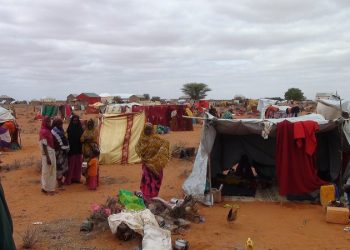
The inconsistent of aid are pushing displaced women in Mogadishu to get out of their camps and take small jobs to feed their children. Some of them are creating their own small business in order to find alternative source of livelihoods other than food aid.

Nurto Mohamed, a widow and mother of four, is among more than 2,000 displaced people living at the Sayidka camp near the parliamentary building.

Every morning, she leaves her makeshift house to go and look for menial jobs in the neighborhood such as helping middle families wash their clothes at a fee. On a good day, she makes 40,000 to 50,000 Somali shillings, roughly less than $3 dollar, which is not even enough two meals a day for her family.

“It is not enough, but it is better than waiting for a food aid you are not sure when it will be received,” Mohamed told Radio Ergo. Another displaced mother Raliyo Aweys Ahmed has been a professional basket and mat weaver before she fled from her hometown of Bardale due to conflict and poverty. But she now makes and sells snacks such as samosas, pan cakes and other soft foods in Mogadishu’s streets because her traditional skills have no use in the capital.  “I have three children and I make around 50,000 to 60,000 Somali shillings per day,” Raaliyo who seems to be in content with her life said.

The food aid has been inconsistent in Mogadishu for a while, thus encouraging IDPs to seek alternative sources of income in order to meet their daily bread. However, Somalia’s National Women Association said the only way to end IDPs’ dependence on food aid is to train them skills and help those who have skills get jobs in the city.  The organization is now registering IDPs that live in and around the capital ahead of a job creation project for IDPs that will be implemented by the end of the year.

“We are carrying out a census of all IDPs and after we finish will be training them for skills and help them get jobs that will make them self sufficient instead of relying on food aid by the end 2016,” said Amina Hassan Adan, the organization’s officer for IDPs and the disabled people.
 

Previous Post

Gedo: hundreds flee homes over conflict fears

Next Post

Displaced families arrive at Elwaq camps

Related Posts

Women in Kismayo make survival income selling acacia seeds as drought fodder
AGRICULTURE & LIVESTOCK

Women in Kismayo make survival income selling acacia seeds as drought fodder

January 19, 2026
blank
IDPS/REFUGEES

Peace deal reconciling warring clans enables families to rebuild lives in Hananbure after five years away

January 14, 2026
Trained midwives keep vital services going as health care declines in Dadaab
HEALTH

Trained midwives keep vital services going as health care declines in Dadaab

January 13, 2026
blank
FOOD SECURITY

Small traders displaced from Erigabo face precarious existence in bleak northern camp

January 9, 2026
Rural families abandon drought-hit farms in Hiran but find no aid in Jalalaqsi IDP camps
IDPS/REFUGEES

Conflict and drought put millions of Somalis in need of aid

January 8, 2026
Economic stresses in Dadaab lead to refugee family breakups
FOOD SECURITY

Economic stresses in Dadaab lead to refugee family breakups

January 5, 2026
Next Post
Qoysas ka barakacay Baardheere oo gaaray Ceelwaaq

Displaced families arrive at Elwaq camps

FOLLOW US ON FACEBOOK

DAILY PROGRAMMES

IDAACADDA 20-JAN-2026

IDAACADDA 20-JAN-2026 by Radio Ergo

IDAACADDA 20-JAN-2026
Episode play icon
IDAACADDA 20-JAN-2026
January 20, 2026
Episode play icon
IDAACADDA 19-JAN-2026
January 19, 2026
Episode play icon
IDAACADDA 17-JAN-2026
January 17, 2026
Episode play icon
IDAACADDA 16-JAN-2026
January 16, 2026
Episode play icon
IDAACADDA 15-JAN-2026
January 15, 2026
Search Results placeholder
Radio Ergo Weekly Newsletter
We respect your privacy.
blank
blank
blank

© Copyright 2014 - 2024 Radio Ergo

No Result
View All Result
  • Home
  • Topics
    • Latest Stories
    • IDPS/Refugees
    • Natural Disasters
    • Health
    • Social
    • Food Security
    • Education
    • Agriculture & Livestock
  • Programmes
    • Locust Programme
    • Farming Programme
    • Radio Doctor Programme
    • Women Programme
    • Entertainment Programme
  • About Radio Ergo
  • Contact Us
  • blankSomali
  • blankEnglish

© Copyright 2014 - 2024 Radio Ergo