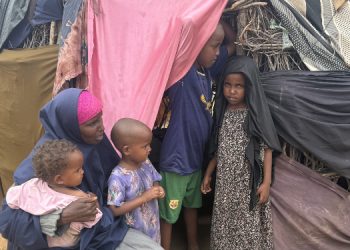


The regional Bakol administration has managed to break a blockade that effectively cut off Hudur from supply routes for a whole year.
The road connecting Hudur to Elbarde in the region has been reopened and supply trucks have managed to enter.
As a result, food prices have fallen by around half.
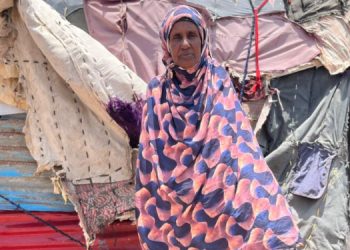
Asha Ahmed Hassan, 75, said it was a great relief to everybody.
“I am in Hudur, we were in isolation for a long time! But one of the roads has been opened now, and food supplies are coming in. Everybody with money can now buy food at a fair price, unlike before, when even people with money couldn’t get food. Now everything is back to normal, and the prices are fair. I was so worried about my children and family but god has saved them and we can now buy food,” she said.
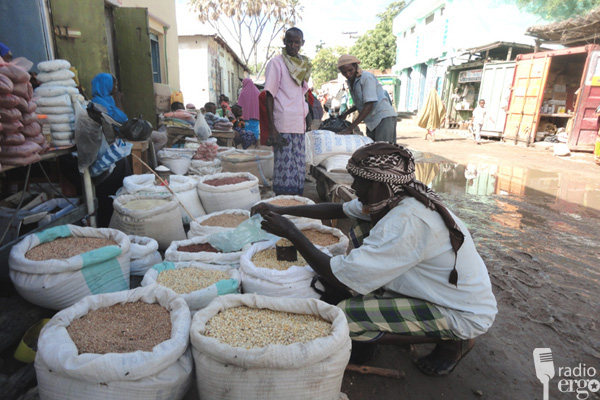
Fadumo Abdirahman Mohamed, a local trader, said business was returning to normal.
“Food used to be smuggled in by women, carrying it on their backs. They sold 1 kg of sugar, rice and flour at 40,000 shillings. Now this is sold at half price, 20,000 shillings, because trucks carrying food have been coming in the town,” she told Radio Ergo.
A local elder, Hussein Abdi Mohamud, said hunger had been a growing problem under the blockade.
Hudur was among several towns in the southwestern regions affected by blockades imposed by Al-Shabaab forces.
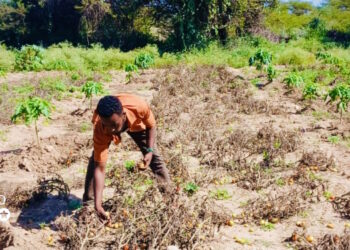
Towns including Qansahdere in Bay, Wajid and Tiyeglow in Bakol and Burdubo in Gedo are still cut off by blockades, exacerbating harsh conditions brought by drought and poor farm yields.