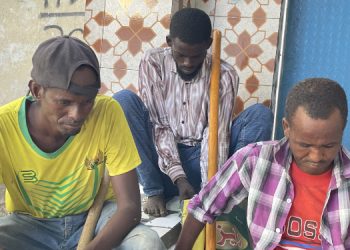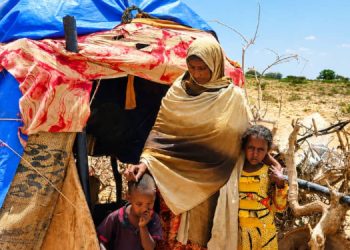


A new regulation set by the regional administration of Lower Juba and local butchers’ association Sahan has impacted on livestock traders in Kismayo.
The new rules set limits on the number of livestock allowed to be slaughtered and give turns to different butchery businesses to purchase animals for meat sales.
The authorities say they aim to ensure the safety of meat consumed and to prevent stolen livestock from getting onto the market.
Pastoralists, however, say the new directive has contributed to a significant reduction in livestock sales.
Maalim Moge, who brought two camels for sale in Kismayo from Qalalqal 60 km away, said he could only sell his animals on credit and had to wait for the 23 million Somali shilling to be paid.
Kulane Yussuf, a livestock broker, said the new rules were harming the market. He said traders used to sell meat to 96 outlets but now were selling to about one third that number.
Mohamed Ali Dagey, who trades goats, said he was forced to sell his goats at an unsatisfactory price. Also, he had to agree to sales and wait to be paid.
The Sahan butchers’ association argued the importance of regulating the market.
“The directive has helped prevent stolen and unhealthy livestock from making their way into the market which has an effect on the consumers of meat,” Sahan vice chairman, Abdi Olad Osman, told Radio Ergo.
Kismayo livestock market used to handle more than 1,000 livestock a day. Since the changes two months ago, sales have dwindled to fewer than 30 animals being sold for slaughter each day. There may be several factors behind the decline.