

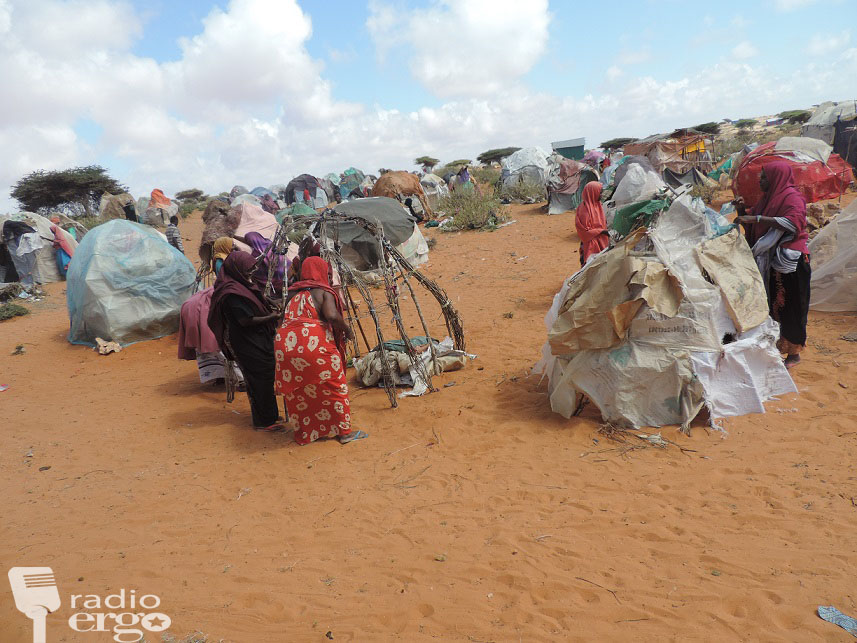
More than 450 families left homeless after the River Juba burst its banks and flooded farmland in parts of Lower Juba region have reached Kismayo seeking help.
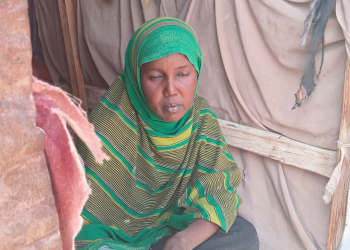
Mana Mohamed said all residents in her village of Mofi were displaced after the flood waters swept away crops including maize and beans and submerged their houses.
“We have nothing; not even clothes to wear. Our children are hungry and we don’t have anything to feed them,” she said.
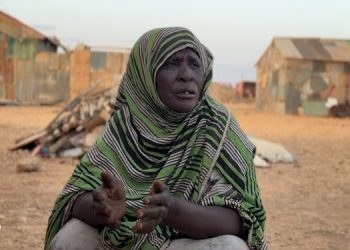
Lul Hussein Baraka, 35-year old mother of seven, left Mashaqo area along the river. She told Radio Ergo she lost all her crops in the floods, and was forced to flee.
She has been in an IDP camp in Kismayo for two weeks, and complained about harsh living conditions, citing lack of shelter, food, water and health services.
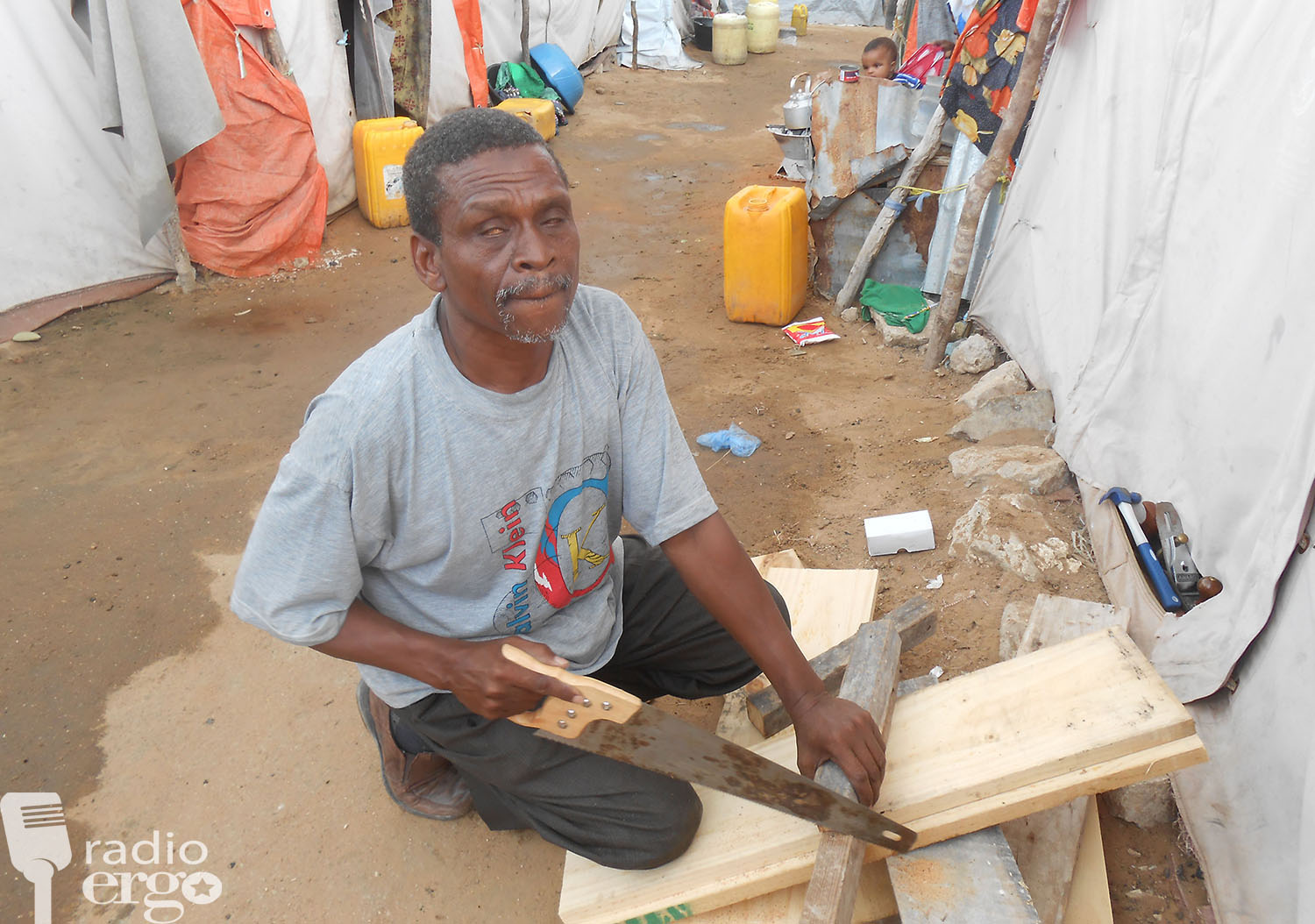
Abdikadir Hussein, a father of eight, fled from Buloyaq village. He said the floods not only destroyed crops, but also killed animals.
“We were previously affected by the failure of Gu’ seasonal rains and we didn’t plant our farms. And now that the Deyr rains started, it has destroyed all our crops. We depend on farm products, we are suffering here as there is no life here,” he lamented.
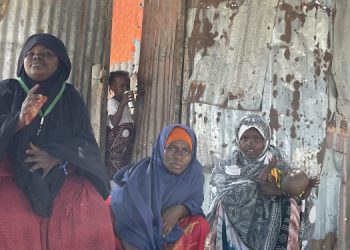
The head of IDP families in Kismayo, Mohamud Musse Ali, told Radio Ergo that families displaced by the floods since the end of October have reached up to 500. He said newly displaced families were arriving every day to join the IDP camps.
Muse said they had not yet received any assistance from relief agencies, and expressed concern over the appalling conditions they are facing in the camps.
Large tracts of farmland were flooded in Lower Juba, while livestock including goats were also washed away.
The worst affected villages include Buloyaq, Moofi, Mas-akhirow, Mashaqo and Miyuwa, and most of the residents left their land and headed to Kismayo.