

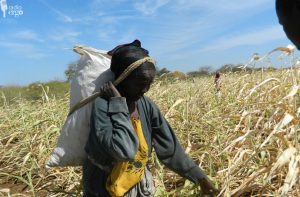
 Farmers in the southern region of Bay have begun to store this season’s crop due to the poor prices they are getting in the local market.
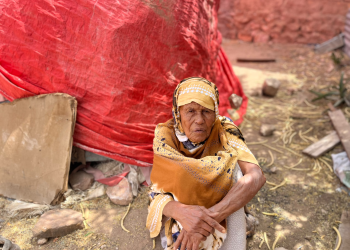
A 73-year old farmer, Ali Aden Ahmed, is one of the dozens of farmers who have just finished digging large pits across their land to make storage for their harvests, until there is a better time to sell.
“We are not taking our crop to the market due to the low price. So we are going to keep it all in the storage and wait until the day the prices go up,” he told Radio Ergo’s local reporter.
Ahmed normally grows maize, beans, sesame and other vegetables, but this is the first in a long time that he has reaped a good amount of produce due to the previous successive years of poor rains.
He said he could have grown enough to feed many local residents in Baidoa, but he did not plant all of his 200 hectares because he did not have enough money to do so.
However, the storage of the crops might give stronger food security to the region and help locals to survive in case of unexpected drought if there is rain failure in April, Radio Ergo’s reporter said.
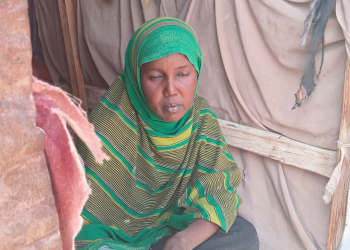
Another farmer, Malayka Abdi, said the 2011-2012 drought and famine that forced thousands of farmers to flee the region was linked to the lack of food in storage.
“We weren’t ready for the drought because no farmer had the idea of storing some crops. We sold everything we had in the market and then people died of hunger when it ran out,” Abdi said.
She added that if the rain fails to come in April, the food in the storage facilities will help residents to survive until the next rainy season.
“We can also use the food in the store as seeds to plant when the expected rain pours in April,” Ahmed said.