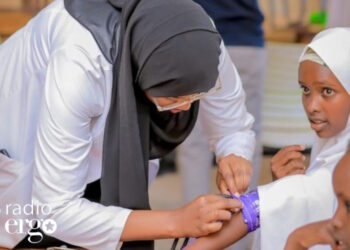
The general hospital in Beletweyne, regional capital of Hiran, has been hit by a medicine shortage at a time when patients suffering from waterborne diseases are increasingly being admitted. The hospital director, Ahmed Mohamed Khalif said their supplies have been dwindling over the past seven months, following the suspension of Médecins Sans Frontières (MSF) operations in the country.
“MSF left behind enough medicine for three months when they withdrew from Somalia in August,” Khalif told Radio Ergo’s local reporter in Beletweyne. He said the hospital, which is the biggest in the central part of the country, used to receive about 300 patients a day from Galgadud, Middle Shabelle, Bakool, Hiran and even Ethiopia’s Somali region of Ogaden.
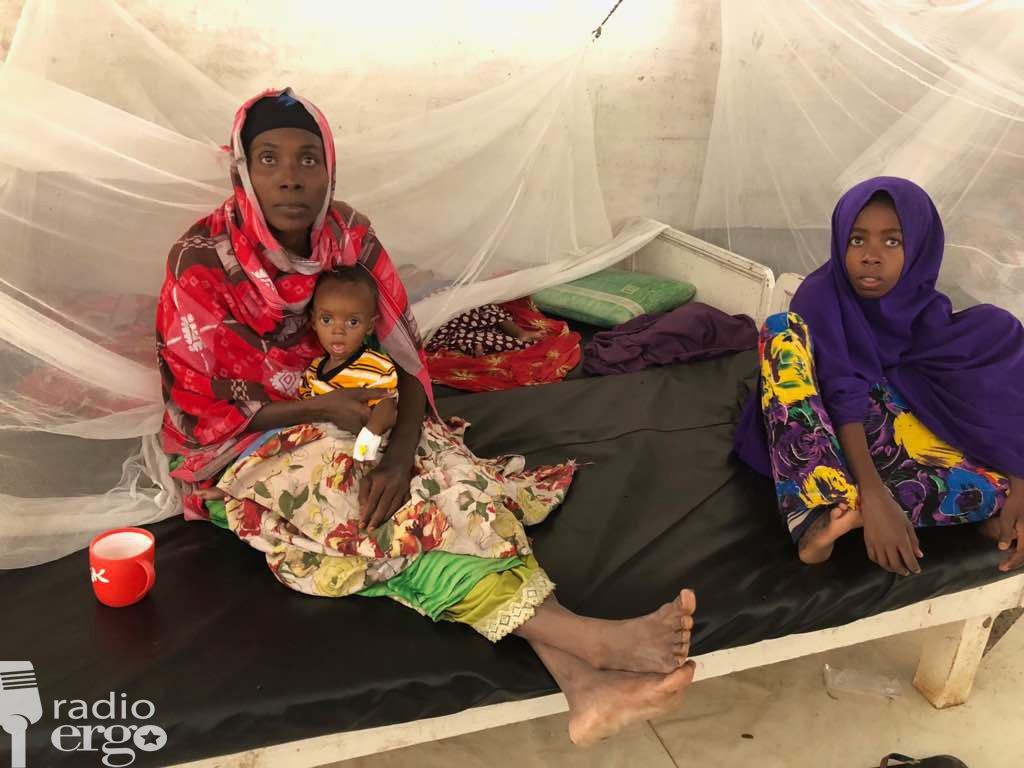
“The hospital was able to provide free healthcare to these patients due to the financial and medical support we used to receive from MSF,” Khalif said. Radio Ergo’s reporter said the hospital now sees around 200 patients a day, including 50 patients in the hospital’s emergency department.
Shamso Ali Gorsar travelled with her daughter, who is suffering birth complications, from Bulobarde some 80 km south of Belatweyne. She told Radio Ergo that her daughter had received medical advice and a bed in the hospital but no medicines were available.“They told us that they could get no medicines, so we are paying for medicine from private clinics which are very expensive,” Gorsar said.
The hospital director said three tonnes of medicines sent from by International Medical Corps from Nairobi Office had been seized by Ethiopian troops from Bakool region’s Yeed town on the border with Ethiopia, because the Ethiopians thought the supply was destined for al-Shabaab. He said they had been communicating with Ethiopia through the local administration in Hiran, the ministry of health, and AMISOM for three months, trying to get the medicines delivered to the hospital, but so far in vain. He called for financial support from the Somali government, business community and aid agencies in order to continue services for the people.