

(ERGO) – A Somali organisation has developed a locally produced nutritional supplement that they are delivering to malnourished children from poor families living in internal displacement camps in Mogadishu.
The nutritional food is produced locally using peanuts, sesame, beans, maize and wheat. Medical professionals at the organisation TREVESOM say the supplement provides children with protein and essential nutrients needed for growth and development.
Supported by local businesspeople, the initiative is an effort to fill the gaps in nutritional services left by the decline in aid and internationally funded programmes in Somalia.
TREVESOM’s chief executive officer, Dr Shafi Mohamed, said they launched the programme called NUTHUP in February and are providing regular nutritional support to 200 children from vulnerable displaced families who can’t access enough food.
He emphasised that this was a local solution that reduced reliance on external aid, catalysing local funds and resources as well as volunteer workers.
“This nutritional food is produced locally in Somalia. It is made from peanuts and other nutritious ingredients that are carefully combined to provide children with food rich in energy, protein and essential nutrients needed for their growth and health,” Dr Shafi told Radio Ergo.
The children registered in NUTHUP receive three to six kilograms of the nutritional food every month. The supplements are eaten twice a day.
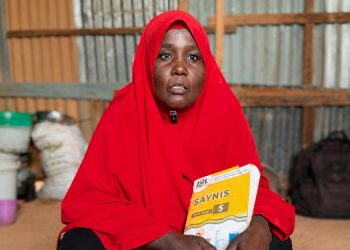
Displaced mother, Maryan Hassan Ali, has three children in the programme. She is pleased with their weight gain and growth.
“I have seen a big change in the children since I started giving them the nutritional food. When they were malnourished, we struggled a lot, but now they are eating well and their appearance has improved. One child who has not yet received the nutritional food is still in a poor condition, and I hope they will be included this month,” she said.
She is raising her eight children alone in Barwaaqo camp in Mogadishu’s Daynile district on less than $4 a day from odd laundry work. She came to Mogadishu after fleeing a rural part of Wanlaweyn in Lower Shabelle in October 2025, when her husband was killed in clan conflict and the small grocery shop that supported the family was destroyed.
Her children were assessed by TREVESOM doctors and found to be suffering from malnutrition. She says access to food has been a constant struggle since the family was displaced. She bought medicines that she thought would help the children from pharmacies on credit, leaving her with a debt of $370.
“They come every day asking me to pay the money, but I do not know where I will get it,” she said. “At the time, I took the medicine hoping that the children would be treated and that I would be able to repay the debt later.”
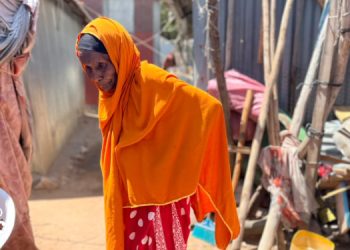
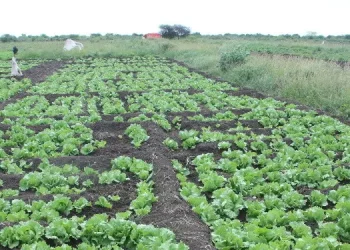
Another mother of seven, Asli Mahmoud Yusuf, came to Mogadishu from Yaaqbariweyne in Lower Shabelle in June 2025 because of insecurity. Her family had depended on a one-hectare farm where they grew vegetables. She lives with her children in a hut earning $3 a day from laundry work.
Four of her children are enrolled in the NUTHUP programme. She says the support was the first regular assistance her family had received in months and that her children’s health had greatly improved.
“They couldn’t eat or even drink water. Now they have recovered, their appearance has improved, and they are eating well. Their biggest problem before was anaemia,” she said.
Dr Shafi said children receiving the food were regularly monitored to assess their recovery.
“We have seen many children who initially had low weight and showed signs of weakness. After receiving this nutritional food, they began eating better, gaining weight and becoming more active,” he said, adding: “This shows us that locally developed solutions can play an important role in addressing malnutrition.”
The organisation plans this year to enroll at least 200 more malnourished children from among displaced families facing food shortages.