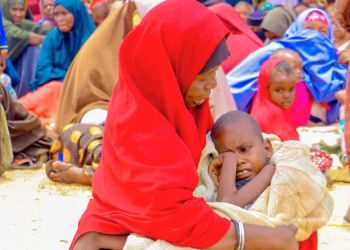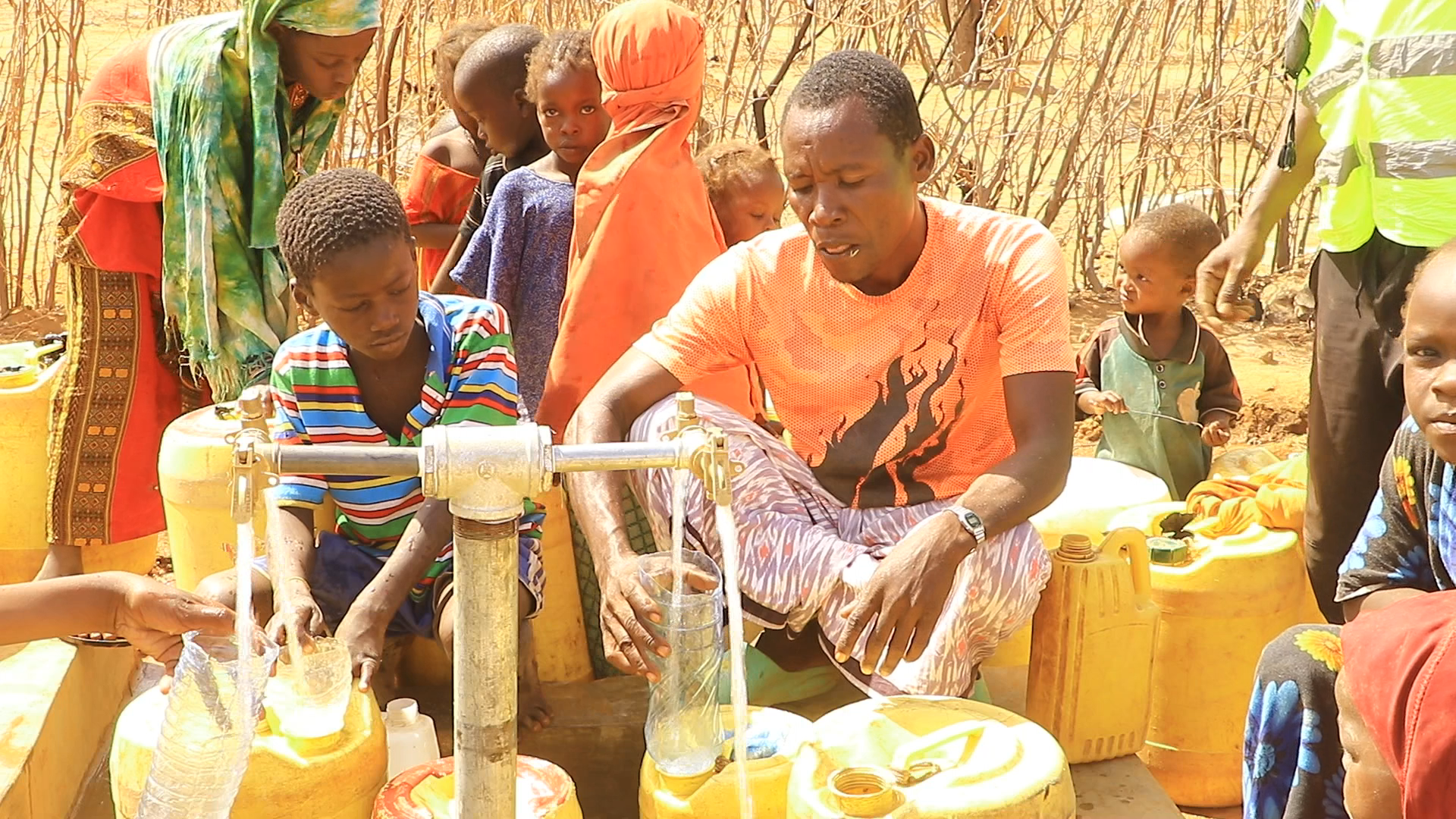
(ERGO) – Hundreds of refugee families in Dadaab are seeing a shift in their terrible living conditions, after being resettled on land with shelter materials and reliable water access in Ifo 2 camp.
The 500 households were granted formal residential rights in the camp in December, for the first time.
Nuur Mayow Mohamed, whose family of six had endured four years of deprivation living on the margins of the official serviced camps, said the recognition and assistance had restored their dignity.
“When we were brought here, we were given cooking utensils, plastic sheets, blankets, jerrycans, and other household items. We were also given a place to live, and now we have settled there. All of this we did not have before. Now we are living in our own place and we are not overcrowded,” he said.
On the 30-metre square plot allocated to them, Nuur and his family constructed a modest shelter using plastic sheeting and wooden poles. It’s basic but provides the protection and privacy they lacked when they were relying on relatives for space.
One of the most significant uplifts is their new access to water. A tap from a borehole supplies water directly, easing a problem that defined their daily struggle for years.
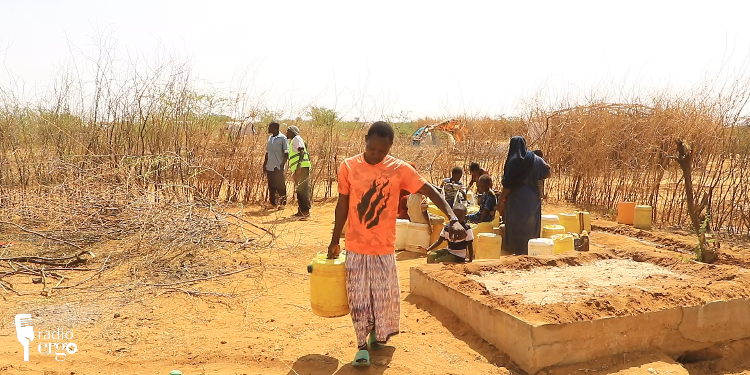
“The water installation gives us water whenever we want. Water starts flowing at four o’clock in the morning and stops at eight in the evening. I can fetch as much water as I want if I have containers. Even if I want to fetch hundreds of jerrycans, I can do that!” he said.
He contrasted this with their previous situation on the outskirts of Dagahaley camp in the Dadaab complex.
“Water was very scarce – sometimes we would get water once every 24 hours, and sometimes we would not get it at all,” he said.
The family receives food assistance through a ration card of 36 kilograms of sorghum, eight kilograms of lentils, and eight litres of cooking oil every two months, enabling them to prepare at least one or two meals a day.
The next rations due in February will be distributed from a newly established food distribution centre.
Nuur says he is now focusing on finding casual work to improve his family’s living conditions. He explained that this had been impossible when his family had no secure shelter.
“The biggest problem we had was overcrowding. We were dependents and had nowhere of our own. We couldn’t leave the children behind and go to work. We kept moving from one house to another, and we were suffering,” he said. “We could see the hardship around us, but we did not know how things would change.”
Nuur became a refugee after fleeing in 2022 from Bangeni-yarey village in Jamame district in Somalia’s Lower Juba region. Prolonged drought destroyed his three-hectare farm and killed 50 goats, wiping out the family’s main sources of food and income.
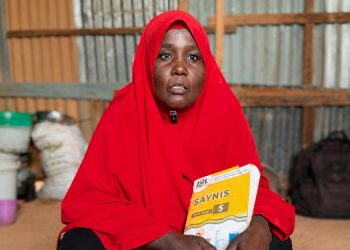
Another newly assisted refugee, Khadijo Mohamed Arbow, with a family of 11, built two shelters on the land she was allocated.
“I needed a proper home. I was living in uncertainty before. Now I’mvery happy. I feel like I have everything I need. This block that I live in now is my own home. Anyone who wants to find me knows exactly where to come. Whatever assistance I receive, I receive it here,” Khadijo said.
She and her children spent years moving between the homes of other refugee families, staying wherever they could. Although she received food assistance, accessing it was difficult.
“There was a burden that can’t be described. We faced insults and humiliation from some of the refugees who had settled earlier. They would ask, why did you come here and disturb us? I told them that we all came from the same place and we should endure together. But the suffering there was very heavy. We struggled a lot,” she said.
Khadijo arrived in Dadaab in 2021 from Jilib, where drought destroyed her five-hectare farm and killed the few cattle she owned.
Despite the progress made through resettlement, challenges remain. Children don’t yet have access to education, though camp authorities say facilities have been constructed.
The chairman of Ifo 2 camp, Sahal Salah Ali, said health and education centres would be officially opened within a month to serve both resettled families and long-term residents.
“These families have come to a place that is open, clean, and safe. It is a place that belongs to them. They were already living around this area before, but now they have proper settlement. Schools are here and ready, and this place is much better than where they were before,” he said.
Camp authorities say the resettlement programme is expected to benefit up to 7,000 families currently living in extremely poor conditions across Dadaab. More households are expected to join the new Ifo 2 settlement in the coming months.