(ERGO) – Pastoralist families escaping from drought-affected areas of eastern Somaliland are now struggling to survive at Naaso-hablood camp on the outskirts of Hargeisa. They lack food and clean water, and live in poor shelter without sanitation.
Most of these families arrived in early October after losing all their livestock to two consecutive failed rainy seasons in Boo’ley, Dhararweyne, and nearby grazing areas.
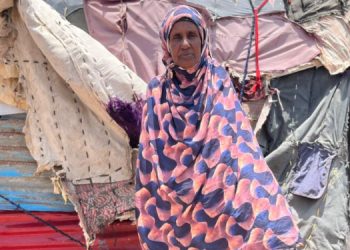
Hamda Ahmed Hassan, a mother of seven and the only breadwinner for her family, is among the displaced families. She said she can hardly provide one meal a day for her children, including her youngest who is just two years old.
“When I find food, I cook it. When I don’t, we go hungry. Sometimes I get food but can’t find water or charcoal to cook it. I don’t have money to buy them. So, there’s one day we eat and the next day we go without. We are displaced people living in grave hardship,” she told Radio Ergo.
Hamda survives on handouts from relatives living in Hargeisa, but when they cannot help her, her children go to bed hungry. She tried finding cleaning jobs in the city, seven kilometres away, but has not been successful.
Her family depends on community donations, receiving only one jerrycan a day. She cannot afford the $0.20 charged to buy 20 litres of water from private wells near the camp.
Their shelter is flimsy and gives no protection from the cold or rain.
“We live in a shelter made from plastic sheets and old clothes. That’s our home where we take refuge since we don’t have a house in Hargeisa and can’t afford rent. The drought killed all our livestock, and no one in our family has a job,” she said.
Hamda’s four children dropped out of Koranic school after displacement and she can’t afford the $5 per child required to enroll them in schools in Hargeisa.
Her husband has long suffered from mental illness and cannot contribute to the family’s income. Hamda said she has no money to pay for treatment he needs.
Like many others in the camp, Hamda lost all her 106 animals – camels, goats, and sheep – during the drought.
Several years of poor rains have forced thousands of pastoralist families in Somaliland to abandon their nomadic lives and seek refuge near towns, where they now live in extreme poverty.
Asha Nur Ali, another displaced mother of 12, fled from Dhararweyne village. Her family has been living on whatever little help they receive from neighbours.
“Our situation is dire. Sometimes we drink black tea as we have no milk at night, and other times we have nothing at all. Even right now, my children haven’t eaten anything today. We have nothing to cook, and there’s no food to be found. Only God can ease our suffering,” she told Radio Ergo.
Asha has been suffering from cancer for seven months. She cannot afford treatment, and there is no health centre in the camp. She owes $100 to a private clinic where she used to get painkillers and was denied further treatment until she clears the debt.
“There’s no health facility in the camp. I was turned away from the clinic I used to visit because I hadn’t paid the old bill. The swelling caused by the disease is very painful, and my condition is worsening,” she said.
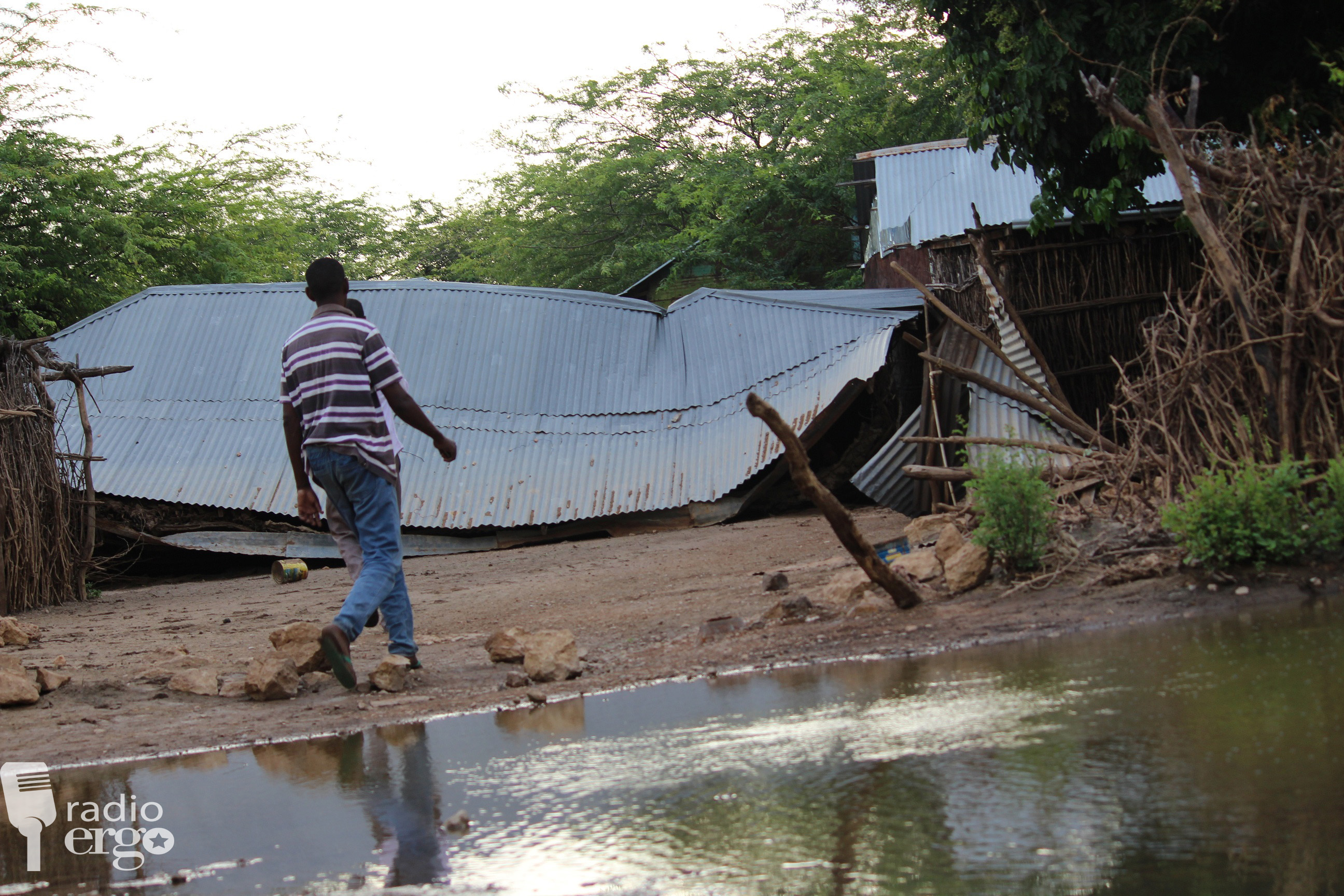
Poor sanitation is another major challenge. The families have no toilets and use open pits that overflow when it rains, spreading a foul stench and creating health risks throughout the camp.
“We use open pits as toilets. When it rains, the smell spreads through the whole area, and it’s unbearable. Even healthy people are at risk, not just the sick ones. We are praying to God to deliver us from this place,” Asha said.
Her family lost 400 goats during three consecutive dry seasons before deciding to leave their home.
The chairman of Naaso-hablood camp, Mohamed Ibrahim Ahmed, confirmed that the families are living in dire conditions without any assistance.
“The lack of toilets has caused severe sanitation problems. Even light rain could worsen the health risks these people face. There are no health centres in the camp either. The congestion here makes everything worse.
In truth, these people lack all basic necessities. Their situation will only get worse if they don’t receive assistance soon,” he said.
The chairman said about 100 new families arrived in October, displaced by the worsening drought. He said he had reported their situation to local authorities but received no response.
The prolonged drought has stripped these pastoralist families of their only livelihood – livestock – pushing them into poverty without alternative sources of income.