

(ERGO) – The details of more than 1,000 Somalia refugee families have disappeared from the UN’s online registry in Dadaab camps in Kenya, thereby preventing them from receiving their food rations since July.
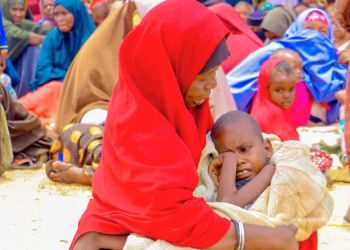
Every morning, long lines of mothers and fathers gather at the food distribution centres in Hagadera camp in Dadaab complex, hoping to hear that what’s been described as a technical error has been resolved so they can get food.
They clutch their physical registration cards as proof of eligibility – but as their names no longer appear in the digital records, they return home with nothing.
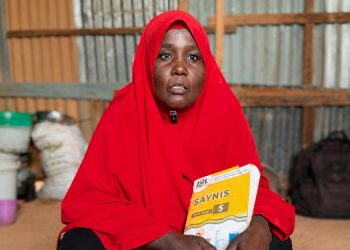
Rahma Abdulqadir Madgaab, a widowed mother of 11, has visited the UN’s World Food Programme (WFP) office in Dadaab repeatedly asking to get the monthly package for her family of 50 kilos of rice, 20 kilos of beans, and 25 litres of oil. She is always told that the problem is being fixed.
She has become desperate, as she has no source of food and no income.
“A person with no card, no food – how do they survive?” she said. “My children tonight have no dinner; this afternoon they had no lunch. Unless God brings something, there is nothing in my house to cook.”
Rahma’s high blood pressure has flared up with the hunger and stress. She became too ill in September to stand for long, so gave up the laundry jobs that used to make around 5,000 Kenya shillings a month.
“For 15 days I have not left the house, my face is swollen, my limbs are swollen. They gave me tablets at the hospital, but I cannot swallow pills on an empty stomach,” she told Radio Ergo’s camp reporter.
She accumulated debts of 35,000 shillings ($270) between July and September for small items like sugar and milk on credit from shops.
“They tell me now: your debt is too high. We can’t give you more when you don’t have a [ration] card. So where will I get anything? The children’s father is dead.”
Rahma fled to Dadaab from Sakow in Middle Juba in 2008, escaping conflict and drought. These last five months without food have been the hardest she has experienced, she says.
The chairman of Hagadera camp, Khalif Dubow Jaale, and a member of the overall Dadaab committee covering Hagadera, Dagahaley, and IFO camps, said more than 10,000 people’s names were removed from the food registry earlier this year.
He said the committee had been working continuously with partners to restore the missing records.
Radio Ergo contacted the WFP workers distributing the aid in Dadaab, but none could give an interview. According to the camp leaders who contacted WFP to ask about the situation, they were told WFP was resolving the issue and more than 500 families had been reinstated to the database over the past three months.
“These people are suffering severely. There is no place they can turn to for answers. They are hungry, and deeply distressed that their cards have disappeared from the system. We are doing everything we can to push their complaints so the mistake can be corrected,” Khalif said.
Isaq Mohamed Noor, a father of six who became disabled three years ago after an illness, used to earn a living pushing carts in the markets, but now walks with crutches. He says he is surviving on small handouts from other refugees’ rations.
“The neighbours gathered seven kilos of rice for us. My wife washes clothes for people to supplement the aid we got, but her work is irregular. What she earns cannot meet our needs,” he said.
Isaq has been standing outside the WFP office gate every morning, hoping for news about his record.
“We are suffering terribly. I used to receive food. Now the record of my card is missing somewhere and nobody can explain. Every morning, I wait at the office gate hoping someone will help us. Nobody is helping us.”
He has lived in the camp since 2011, after fleeing Salagle in Middle Juba when drought destroyed his 15-hectare farm that was the family’s livelihood.