

(ERGO) – More than 1,600 families in Bulagadud in southern Somalia’s Lower Juba region are recovering from a poor living situation resulting from floods in 2023 after making good profits from crops harvested from their fields over the past four weeks.
Mohamed Abdullahi Abdirahman’s family of nine have spent some of the $900 they made from their crops of mostly vegetables harvest from late February to buy food and children’s clothing.
Mohamed is now enjoying the results of the hard work he has put into his farm, which has given him new hope.
“We have been harvesting watermelons, tomatoes, and pumpkins from our fields. When we market them, we buy rice, sugar, and oil to live on. Before, we had nothing. There was water all over the fields, but we were left with nothing. Now we have everything,” Mohamed told Radio Ergo.
The family escaped a food crisis that had lasted over a year when the Juba River floods destroyed their five-hectare farm in December 2023.
Mohamed used the first earnings from his vegetable sales to buy food, including 25 kilograms of flour, rice, and sugar. He hopes to increase production to manage his family’s livelihood better.
“The month of Ramadan coincided with the harvest of my farm, leading to the sale of most of the crops, mostly vegetables, in a short period,” he said. “Tomatoes and watermelons are the most popular now. Watermelons are priced at half a dollar per piece, sometimes a dollar. Tomatoes are selling for $2.50 per bunch. I have just sold 54 bunches of tomatoes.”
Mohamed divided his earnings into two parts, using some to pay off debts and saving the rest to support his family and farm.
“There is money I borrowed for my family’s sustenance while the farm was still flooded. I used that money for food, clothing, and other family needs. All of this was borrowed, about $800 or a little more. I have paid off more than $400, and that’s what I owe now. I want to pay it off with the profit I will get from the farm,” Mohamed said.
His hopes for the farm were revived when he received seeds from the UN’s Food and Agriculture Organisation (FAO) last October, including beans, watermelon, tomatoes, and maize. He has promoted his vegetable farming to take advantage of the high demand during Ramadan.
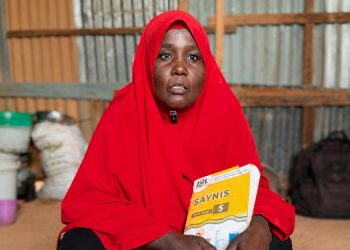
Ruqiya Nunow Ibrahim, an internally displaced person in Bulagadud, also received seeds from FAO and planted a two-hectare garden with the help of her relatives.
Ruqiya has been displaced in Bulagadud since early last year when floods in Barsanguni destroyed her seven-hectare farm and two-room house.
“After a year and a half, I harvested a mixed crop of vegetables and food on 7th March, which I planted three months earlier,” she said. “The family’s situation has changed a lot. I have money now and can provide three meals a day for my children. I harvested maize and use it to make food and pancakes for them.”
Ruqiya paid off $200 of her debt and allocated another $100 for food, saving the rest. She expects a second crop of maize and beans, which she hopes will earn her more money.
Mohamed Adan Osman is another farmer who rented part of a farm that had been spared by the floods.
“The farm yielded $1,500. I paid off my debts and used the rest for family needs including rent. I am saving the remaining part for any future needs,” he told Radio Ergo.
His family of 15 has not worried about their daily livelihood since February when he began selling his harvested crops. However, he still struggles with homelessness after his three-room house was destroyed by floods in 2023.
However, some farmers in Bulagadud did not have land to plant the seeds they were given. So while some recover, others have yet to do so.