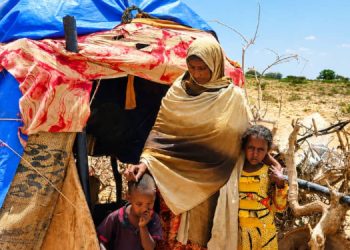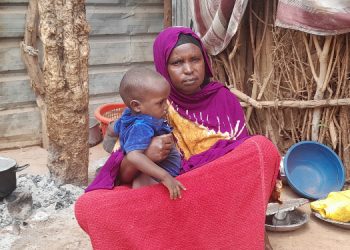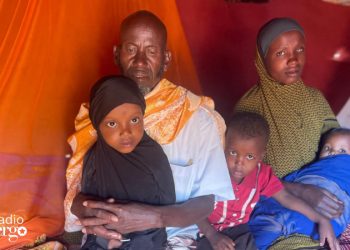


(ERGO) – Wiilo Hassan Abukar, a displaced mother of nine, has enrolled her three older children back in their school after a year-long break due to financial constraints.
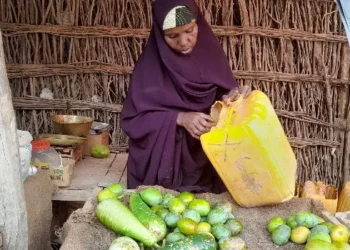
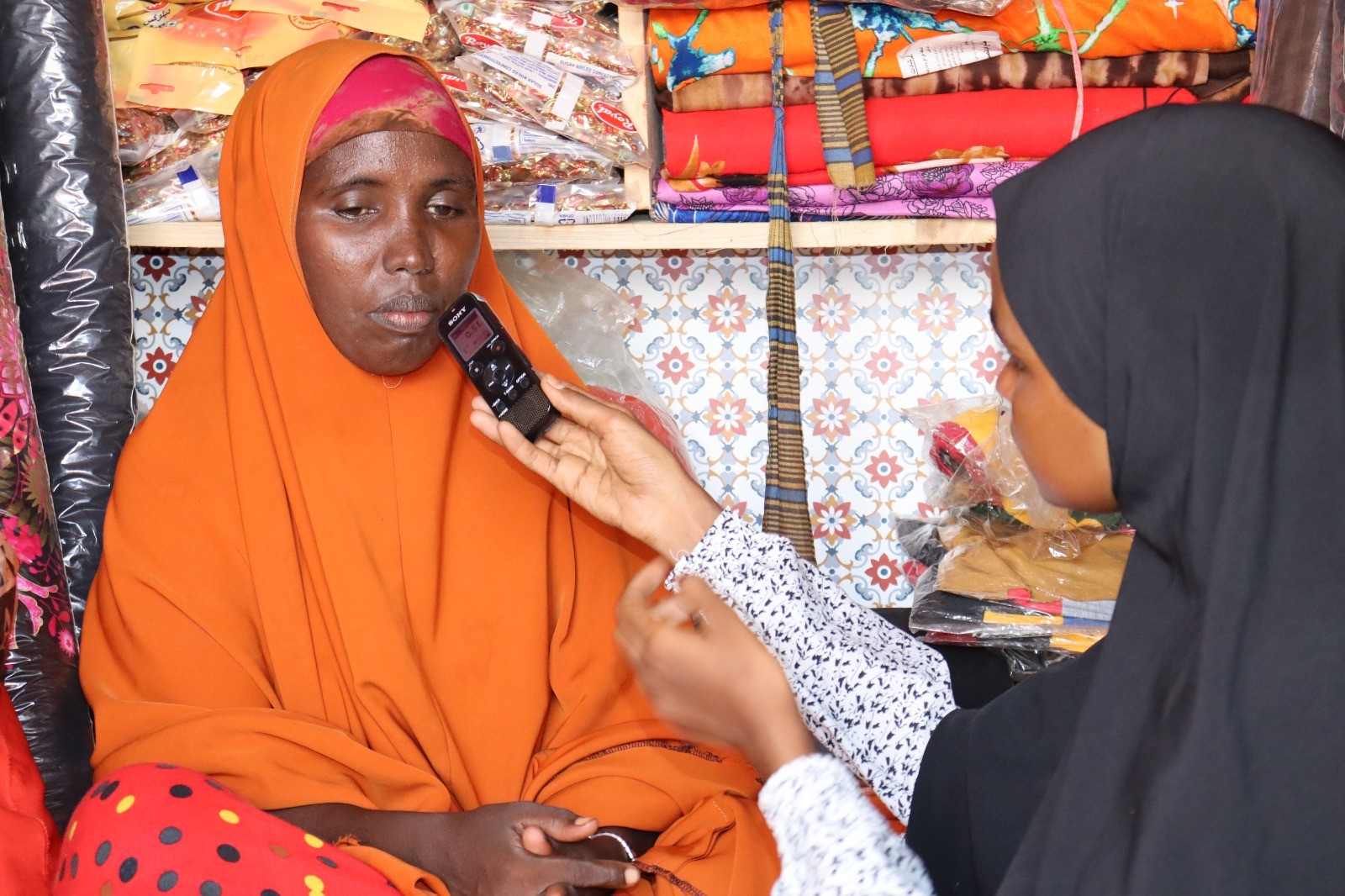
After receiving a $1,000 business start-up grant from the International Organisation for Migration (IOM) last October, Wiilo opened a shop behind her house in Tawakal IDP camp in Baidoa and is now making $8-10 a day that caters for the needs of her family.
From her shop selling food, clothing, and other items she pays $36 monthly fees for her children’s education.
“Our business is doing well. I have got a small stall and I pay $20 rent for my shop. The aid organisations helped us get the stock. I save some of the money and reinvest the rest,” she said.
Wiilo used to collect and sell firewood to make ends meet for her family, carrying the wood from the outskirts of Baidoa to make a meagre $3 that got them just one meal a day. Her unemployed husband now helps her in the shop.
“We were impoverished people with nothing. We used to cut trees and sell wood, sometimes washing clothes, and sometimes getting some aid from the organisations,” she said.
Wiilo and her family joined Tabarak camp in 2020 after prolonged drought destroyed their three-hectare farm in Tuguli village in Burhakaba. After experiencing much hardship since being displaced, she said they are now doing well.
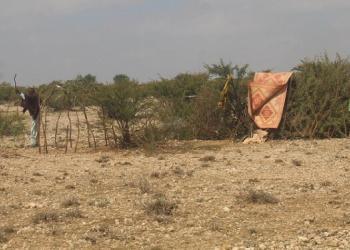
A total of 180 women in Tabarak, Barwaqo, Hanano, and IDC camps were awarded the business grants by IOM. These camps are located about 1.5km from Baidoa, so IDPs had to travel to the city to buy necessities. It the first time that shops and small businesses were set up in these camps serving the IDP residents.
Sharifo Ibrahim Ali also opened a shop in Hananu camp with the investment grant she received. She now earns a decent income of about $10-15 to support her six children and husband.
“I sell sugar, cooking oil, clothing, shoes…everything in my shop. My shop is worth around $1,000 and it has been open for two months,” she said.
She used to wash clothes for families in Baidoa, making $2-3 for her services. Her husband is elderly and spends most of his time in bed. She is happy to see her family now getting all three meals and a better life.
Sharifo hopes to relocate her family from the camp to Baidoa and is confident her business can support and sustain their move. She believes living in the city would boost her sales and also her children could get better education.
“I feel encouraged, if my business continues to grow I hope to build a house. We are now living in a shack and we hope to buy a house and move to Baidoa. I joined a rotating savings scheme and am using my savings to grow my business,” she said.
Sharifo was displaced from Dooy village near Baidoa in 2017 by fear of attacks by the Al-Shabab militia, who had banned charcoal burning, which was their family’s source of income.
Mohamed Isaq Ali is a camp leader who was on the committee tasked with selecting the women to receive the business grants. He said they focused on those who were most vulnerable.
The initiative aimed at creating business opportunities for impoverished IDP families so that they can rebuild their lives. Many other deserving women were left out as the slots for investment were limited.
“The other IDP families were also hoping to get such an opportunity. We are a committee in the camp and we were monitoring the people to see if they had started business or were just consuming the money,” he explained.