Radio Ergo - Somali Humanitarian News and Information
  • Home
  • Topics
    • Latest Stories
    • IDPS/Refugees
    • Natural Disasters
    • Health
    • Social
    • Food Security
    • Education
    • Agriculture & Livestock
  • Programmes
    • Locust Programme
    • Farming Programme
    • Radio Doctor Programme
    • Women Programme
    • Entertainment Programme
  • About Radio Ergo
  • Contact Us
  • blankSomali
  • blankEnglish
No Result
View All Result
Radio Ergo - Somali Humanitarian News and Information
  • Home
  • Topics
    • Latest Stories
    • IDPS/Refugees
    • Natural Disasters
    • Health
    • Social
    • Food Security
    • Education
    • Agriculture & Livestock
  • Programmes
    • Locust Programme
    • Farming Programme
    • Radio Doctor Programme
    • Women Programme
    • Entertainment Programme
  • About Radio Ergo
  • Contact Us
  • blankSomali
  • blankEnglish
No Result
View All Result
Radio Ergo - Somali Humanitarian News and Information
Home IDPS/REFUGEES

No work, no aid for families still displaced after Beletweyne floods

Radio Ergo by Radio Ergo
January 9, 2024
in IDPS/REFUGEES, LATEST STORIES, NATURAL DISASTERS
0
No work, no aid for families still displaced after Beletweyne floods

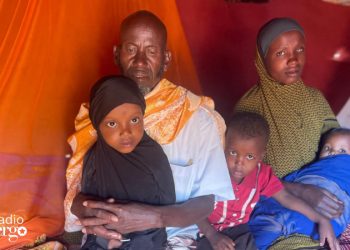
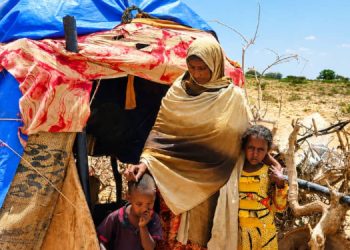
Dahabo Ali Farah, Osman's wife, and their children at their shelter in El-Jalle after fleeing from their flooded home/Abdirisak Ahmed Husein/Ergo

0
SHARES
Share on FacebookShare on Twitter

(ERGO) –  Osman Warfa Ali was displaced with his wife and their 12 children from Beledweyne on 14 November by floods that wreaked havoc in the riverside city, but almost two months later he is still out of work and receiving no aid or support.

The family migrated with some food and water to higher ground in El-Jalle, where they put up a makeshift hut. Their supplies ran out fast and then they had to depend on their neighbours for food.

Currently they are drinking dirty and discoloured rain water that collected in a small pond.

“We have not cooked for the past three days – we don’t have any food to cook. We are facing hardships and we don’t have jobs. I don’t have anything for the children! They are here in front of me and I don’t have anything!” he said despairingly.

Osman used to work as a porter in Beletweyne earning about $5-10 a day. Since the floods he has not been able to resume that work and has failed to find any other jobs in the area.

“There are no jobs for us to make a living in El-Jalle. If you try to find a job you will come back in at night with none. There are no jobs really and I don’t have anything for the children,” he reiterated.

Locals buy a barrel of water at $3 although Osman’s family and many other destitute and displaced families cannot afford it.

“Whenever we try to get loans to improve our situation, people ask for a guarantee that they will be repaid. We also don’t see the aid organisations that used to come here. People are on the verge of dying because of water shortage,” he asserted.

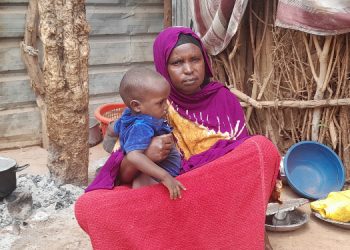
Farah Ali Galayr also fled the floods in Beledweyne and is living in a flimsy shack in El-Jalle with his wife and 11 children. Their house was destroyed and their belongings were washed away, including his previous livestock.

“The flood has been devastating. Six of my goats were washed away, and my donkey and the cart too were carried away in the flood. We came here in despair; I was carrying the children on my head. We were among the last people who migrated from the flood hit areas,” he said.

Although Farah has seen many floods in Beledweyne over the years, he said this time has been particularly difficult for them as there has been no intervention from the government or aid organisations.

He noted that in the past when river floods hit Beledweyne, they received cash aid and water trucking. Now they face food shortage and lack proper shelter. They are sometimes lucky to get one meal in a day from their neighbours.

“The people here give us food and sometimes I walk around and ask for help, that is how we cope with our situation,” he said.

Farah said he does not see himself being able to return to Beledweyne any time soon since the flood water continues to pose problems.

He used to sell water with his donkey cart, earning $10 a day, but now he has no income.

According to Hiran regional administration, 400,000 people were displaced from Beledweyne at the peak of the flooding. These families moved to higher ground including in El-Jalle, Hiran Bile, Farah-Afi and El-Gal.

Beledweyne’s deputy head of social affairs, Abdullahi Salah Shekhaya, said the local administration was not capable of dealing with the impact of the displacement of hundreds of families and the destruction of so much property.

“Those people are in their worst situation, because if someone is displaced from their house and they are living in the open and there are no government or aid organisations to help, they remain in a precarious situation,” he acknowledged.
Previous Post

Small business grants help poor families and boost economic activity in Baidoa IDP camps

Next Post

Families abandon flood-hit farms in breadbasket regions and head for Mogadishu IDP camps

Related Posts

Clan conflict in Sool destroys family livelihoods and forces hundreds to flee
FOOD SECURITY

Clan conflict in Sool destroys family livelihoods and forces hundreds to flee

July 8, 2026
Displaced women in Dollow lose work in a shrinking and overcrowded jobs market
FOOD SECURITY

Displaced women in Dollow lose work in a shrinking and overcrowded jobs market

July 3, 2026
Somalia live news, Somalia latest news, Mogadishu live news, Somali news
FF Feedback

Radio Ergo audience feedback report 25 June to 1 July 2026

July 2, 2026
Human fallout from conflict in South West state – thousands of families displaced and struggling
FOOD SECURITY

Clan conflict over land in Lower Shabelle leaves families destitute

July 2, 2026
Somalia news, Somali news, Mogadishu live news, Radio Ergo News
FOOD SECURITY

Vulnerable Mudug families left behind in drought-hit village

July 1, 2026
Market traders in Hargeisa put out of business by lack of supplies and high prices
AGRICULTURE & LIVESTOCK

Escalating prices force women in Hargeisa to close their vegetable businesses

June 29, 2026
Next Post
Families abandon flood-hit farms in breadbasket regions and head for Mogadishu IDP camps

Families abandon flood-hit farms in breadbasket regions and head for Mogadishu IDP camps

FOLLOW US ON FACEBOOK

DAILY PROGRAMMES

IDAACADDA 09-JUL-2026

IDAACADDA 09-JUL-2026 by Radio Ergo

IDAACADDA 09-JUL-2026
Episode play icon
IDAACADDA 09-JUL-2026
July 9, 2026
Episode play icon
IDAACADDA 08-JUL-2026
July 8, 2026
Episode play icon
IDAACADDA 07-JUL-2026
July 7, 2026
Episode play icon
IDAACADDA 06-JUL-2026
July 6, 2026
Episode play icon
IDAACADDA 05-JUL-2026
July 5, 2026
Search Results placeholder
Radio Ergo Weekly Newsletter
We respect your privacy.
blank
blank
blank

© Copyright 2014 - 2024 Radio Ergo

No Result
View All Result
  • Home
  • Topics
    • Latest Stories
    • IDPS/Refugees
    • Natural Disasters
    • Health
    • Social
    • Food Security
    • Education
    • Agriculture & Livestock
  • Programmes
    • Locust Programme
    • Farming Programme
    • Radio Doctor Programme
    • Women Programme
    • Entertainment Programme
  • About Radio Ergo
  • Contact Us
  • blankSomali
  • blankEnglish

© Copyright 2014 - 2024 Radio Ergo