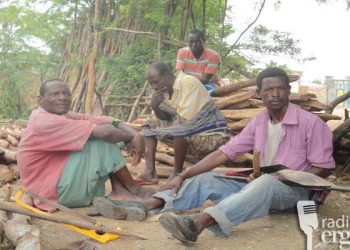
(ERGO) – When Nur Barre Ali brought in the first harvest from his 18-hectare farm near Garissa in northeastern Kenya, he felt elated.
The 20 sacks of beans, 10 sacks of maize, and three tons of watermelons he reaped on 20 July meant that his family of two wives and nine children would be well fed and would not miss their former life as pastoralists in this arid region.
“We thank God since we are no longer hungry!” Nur said. “The harvest is providing for us. We depend on whatever we sell in the market and we also eat some of the produce. We get breakfast, lunch, and dinner.”
Nur once herded 70 goats and had never really thought about turning his back on the proud livelihood he inherited from his forebears. But only 10 of his goats survived the last two years of severe drought.
He joined 220 pastoralists in Bohol Shanad village in creating Tawakal farmers’ cooperative to start new lives tilling the soil.
“I am 100% better off now, I am motivated now. I have started to cultivate the land again and I want to start farming in two phases since the farm is big. In one part I want to use rainwater and in the other I’ll use ground water,” he explained.
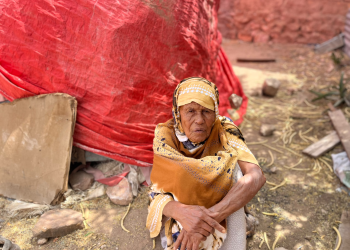
Another happy villager is Sahra Muhumed Shuriye, who harvested five sacks of beans, 10 sacks of maize, and three tons of watermelons in Bohol Shanad on 24 July.
She also planted some vegetables and has been making $14 a day selling tomatoes, peppers, coriander, and other fresh produce.
“We are eating food that I grew with my own hands and I know that it hasn’t been sprayed with pesticides and my children will not be affected. I am very happy! We thank God, this morning I cooked beans for my children. I also have maize that I picked my farm, as well as tomatoes, peppers, and onions,” she said.
Sahra and her husband used to own a herd of 48 cows but only 12 survived the drought and they could not support their 11 children. They relied on advice from experts in the cooperative who helped with seed selection and cultivation and harvesting techniques.
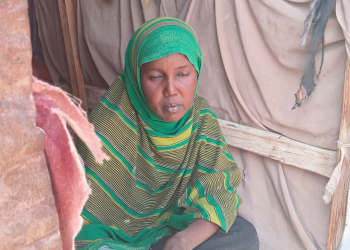
Similarly, Fadumo Yusuf Sooyan and her husband saw their herd of goats whittled down to just 12 in the drought. They have learned that farming can be an alternative to nomadic livestock husbandry.
Fadumo is pleased that they have enough food for the family of eight, after harvesting 18 sacks of beans, 25 sacks of maize, and two tons of watermelons.
“We thank God we’ve seen the benefits of farming. I’ve sold some of the maize, we cook some, and we’ve also given out some as charity. I hope to get more! My life has changed and we hope for more,” she said.
Water remains the most pressing need now for these new farmers in Tawakal cooperative. They hope to get water aid and pesticides from Garissa County government and aid organisations.
Nur said he wished the politicians who pledged to support farmers before the last election would fulfil their promises, as he is worried about access to water with fuel prices in Kenya having greatly increased.
“Since this land is dry and hard and needs loads of water, we also need a lot of fuel, but the fuel is expensive. We have to fetch water using donkeys. In a day we might fetch water up to five times. A big farm can’t be sustained fetching water like this,” he said.