

(ERGO) – Whilst weeds grow thick on his 12-hectare farm in Mandera village, Mukhtar Yusuf Ali walks about 20 kilometres a day trying to sell the firewood he has collected in the bush in Jowhar town, in southern Somalia’s Middle Shabelle region.
He earns two or three dollars a day at most and sometimes barters the firewood for food to take home for his family of six children.
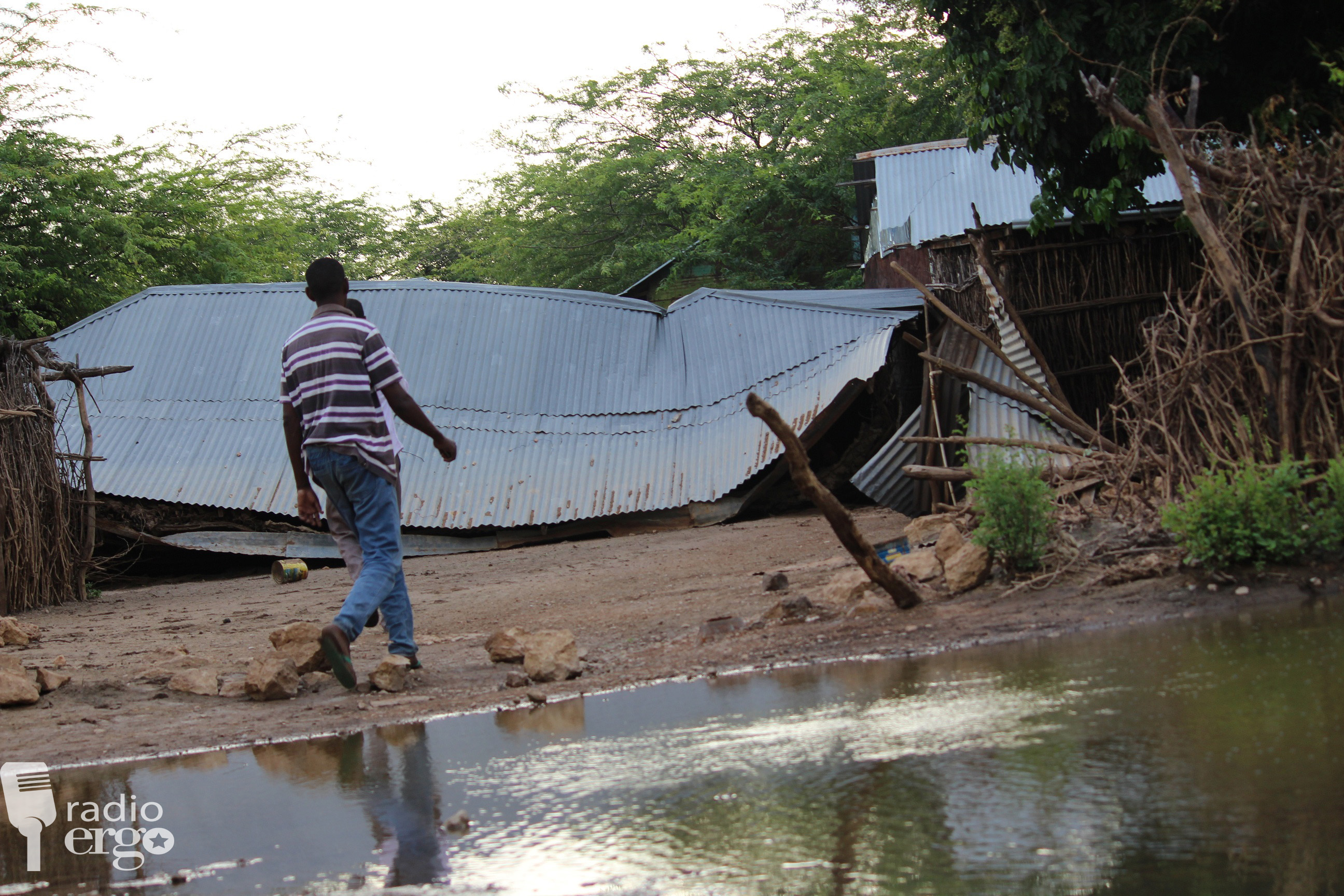
Mukhtar was a keen farmer and had been looking forward to harvesting his sesame, maize, and beans after investing $850 in his farm, but river floods hit him last November and wiped out everything.
Without the cash to recover the farm and still heavily indebted, he started selling firewood in February. He spends at least seven hours collecting and transporting the wood before going to sell it.
“When my donkey cart delivers the wood it is bought by bakery owners or other businesspeople who resell it at a profit. We don’t have any other jobs and that’s why I turned to collecting firewood,” he said.
“The distance is long and sometimes other people arrive there early and collect all the wood. When we come back from the market after selling some firewood we buy 10 kilos of rice for a week and other basic food items if we can.”
He transports the firewood with his donkey that used to pull the cart transporting his farm produce to market.
He noted that without his donkey it would be very difficult although the firewood sales are picking up a little. However, without resources, there is little hope that he can get back to his farm.
“Now we are in the rainy season. We have the capacity, but we don’t have the seeds, we don’t have the workers, and the floods are recurring. We don’t have anyone to complain to, we just pray to God. I tell myself not to be sad, it is fate. The Ali-Garob trees are growing on the land – this tree is surprising, it grows back every time it is cut down, so now we decided just to leave it,” he noted sadly.
Mukhtar is one of around 1,200 farmers in Mandera, Daysame and Badaley villages whose farms are now out of production due to floods, according to the chairman of the local farmers’ cooperative, Hussein Mohamed Jeylani.
“There is a lot of farmland that has been destroyed, about 16,500 hectares altogether. What do we do with these fields? Some are still lying under water while others have weeds and grass growing all over them. There are no funds to revive them. There is no money, there is no support or banks that support farmers,” he said.
The chairman worries that the hundreds of farmers now struggling to earn money elsewhere may not go back to their land and grow food.
Yassin Mohamed Ahmed, who owns a four-hectare farm in Daysame village, spotted an opportunity to earn something by ferrying people and goods across the river using a relative’s boat.
The same river used to provide water to irrigate his now abandoned flood-ruined farm.
He does two river crossings a week between his village and Jowhar. The pay is small but he says it is better than staying at home with nothing.
“I am not the only one that transports people by boats, there are many others. Sometimes I get no passengers, sometimes I get three people. When you come here [Jowhar] you may find seven or eight people. If you leave without enough passengers you still have to pay for the fuel and make no profit,” he said.
He charges $2 per passenger from Daysame to Jowhar. With a good 10 passengers he can make $20 and have something to take home to the family after paying for the fuel.
Yasin, 45, learned to operate boat 15 years ago and he turned to this service after river floods wiped out his maize, sorghum, and beans last November. He had taken a $600 loan to invest in his farm.
“I still haven’t paid back the loan. Since the river has flooded the farm again, I was unable to carry on with farming. The children and I are suffering alike. Previously, when the children were hungry, they would go to the farm and get corn and beans and cook. Now there is little to eat. Today, if you get one meal we are lucky,” he said.
According to the farmers’ cooperative many farmers who lost their livelihood have not found any work to support their families and are surviving on what they can get from relatives. There has been no help provided by government or aid agencies.