(ERGO) – About 180 children from impoverished families in Buleburte, Hiran region, have joined free schools set up and run by a group of local youth volunteers in remote villages.
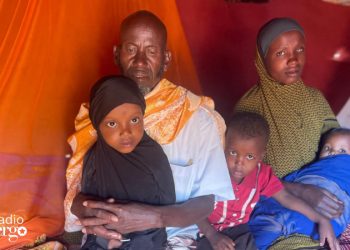
Abdihakim Abdi, living in Qandoley, enrolled four children including two girls in school after learning about the opportunity. His children sat in a classroom for the first time on 10 November last year.
His children completed Koranic lesson seven years ago and he had been thinking of sending them to Buleburte or Mogadishu for schooling, but he did not have money.
“I didn’t know where to go until I met the youth group. They brought us books, blackboards and pens. We are now headed to the third month. We live in the rural area and my children are able to learn new things,” said Abdihakim happily.
“The children take lessons including mathematics, and they can now multiply and divide. The children have changed a lot and we have benefited from this school.”
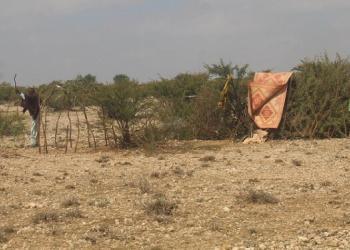
Abdihakim has 12 children and supports the family from his four-hectare farm in Qandoley. The school operates in a local resident’s house.
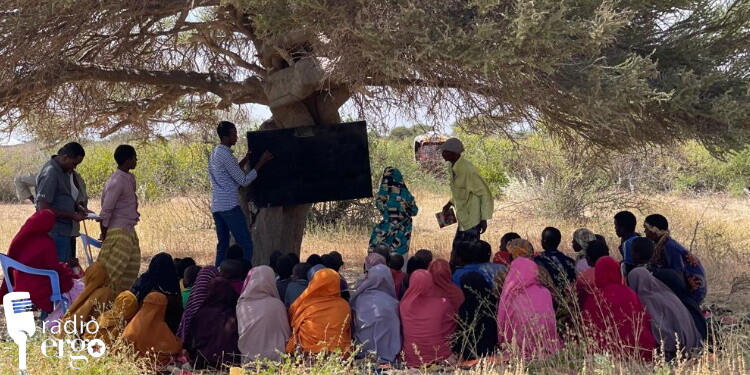
In Idiley village, the school runs under a tree with a blackboard mounted on the tree trunk.
Asad Hassan Mohamed, a farmer in Idiley, enrolled five children in the school for the first time. He has 16 children and plans to enroll three more of them for classes. He had been hoping to send them to Buleburte, 20 kilometres away, but money was a challenge.
“We are people living in remote areas, our children usually take care of the farms and the livestock. That is not children’s job. We thought that our children shouldn’t also live in ignorance like us,” Asad told Radio Ergo.
Amin Sheikh Abdi, one of the youth volunteers that set up the schools, said they observed the lack of education opportunity for children in these areas and wanted to help.
“We were five youths from Buloburde, we noticed that there were no schools in these villages. The young people there are getting into drug abuse, that’s when we thought we should give back to the society and set up schools,” he said.
They conducted a quick survey among the children and noted that they could not even write their names.
“We did a fundraising and collected $10-30 from each of us. We bought chalk and blackboards and set aside money for the teachers. We still pay the monthly teachers fees,” he said.
Five teachers teach in both schools earning $70 a month each. The teachers attend to the students in Qandole till midday and then teach those in Idiley in the afternoon.
Although they contacted the Buloburte local administration and the Hirshabelle state, they have not received support from these authorities. Amin noted other villages near Buloburte have reached out to them to set up more schools.
“The schools need pens, books and equipment. If the ministry of education helped us, we could reach more remote areas and start schools there,” he said.