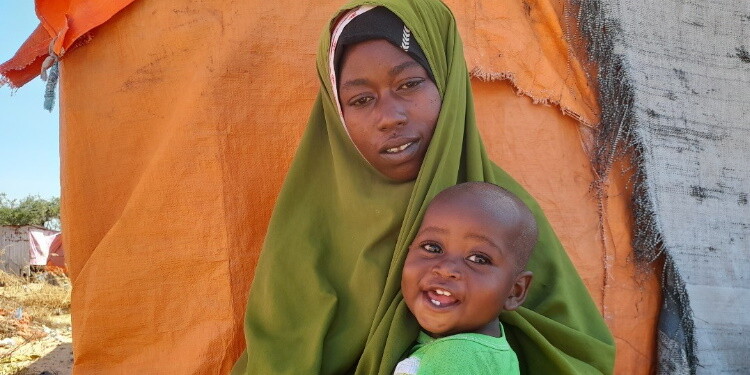
Around 120 families forcibly evicted from their houses in a camp in Bangala neighborhood in Mogadishu’s Deynile district are angry about their treatment and anxious about how to restart their lives and resettle their children.
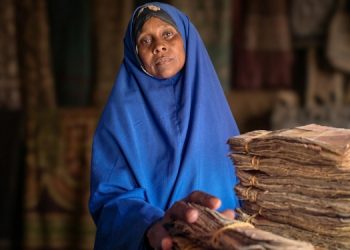
Saido Mohamed Ali is desperate with her two small daughters, including a three-month-old baby, after losing their home.
“Now I can’t find a house for my children, and we can’t afford the rent here. We were living there in Deynile, my husband has a disability, and I was doing casual work to get an income for my family – but now we don’t have anything,” she said.
Saido had used her savings and money given by her employers to set up a one-room house made of iron-sheets. She used to wash clothes in Howlwadag, Hodan and Yaqshid. But with no public transport in Wardhere camp in Garabasley, where they are now staying, she has to walk for an hour to find work.
Saido came to Mogadishu in 2019 after floods in Jowhar washed away their small shop. In Bangala, she said she had a tenancy agreement for five years, although the agreement was abruptly cancelled after just three years. On 5 December 2022 they were shocked to find themselves being forcibly moved.
“We were attacked by police, who told us to move off the owners’ land. We were expelled, and we had set up houses and invested our money into living in those houses,” she explained.
Maryan Abukar Nur, another mother of four, said that some well-wishers had just installed piped water in her house in Bangala before the eviction. She ran a business delivering food and vegetables to homes in a hand basket.
She believed that despite their tenancy agreement, construction in the area and rising land prices created an incentive for landowners to evict the poor and displaced.
The fear of violence and rape is most concerning for Farhiya Nunow, a single mother of six, with a 14-year-old daughter. They have been sleeping rough since they were evicted. Her younger sons were working as shoe-shiners brining in a small income for her family.
“We sit outside like we have been dropped off by a bus! We cook out in the open, the children are now street children who sleep out in the open,” Farhiya exclaimed.
In 2019, she was running her small grocery shop in Wanlaweyn, Lower Shabelle, when clan conflict erupted and her shop was burnt down.
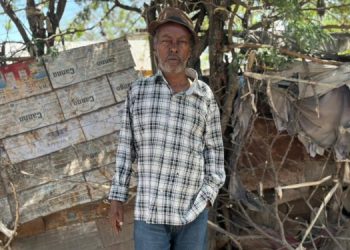
The camp leader of Wardhere, Abdirahman Aways Abdi, said there was no guarantee against any further eviction as they had no agreement to live on this site. He said the existing camp residents had tried to welcome the newly displaced families until they can find structures to live in.
“The people have not fully adapted to the camp because they were used to their old camp and the markets there and it’s different here. As camp leaders, we can only allocate land to these people and we have done that,” he said.