Radio Ergo - Somali Humanitarian News and Information
  • Home
  • Topics
    • Latest Stories
    • IDPS/Refugees
    • Natural Disasters
    • Health
    • Social
    • Food Security
    • Education
    • Agriculture & Livestock
  • Programmes
    • Locust Programme
    • Farming Programme
    • Radio Doctor Programme
    • Women Programme
    • Entertainment Programme
  • About Radio Ergo
  • Contact Us
  • blankSomali
  • blankEnglish
No Result
View All Result
Radio Ergo - Somali Humanitarian News and Information
  • Home
  • Topics
    • Latest Stories
    • IDPS/Refugees
    • Natural Disasters
    • Health
    • Social
    • Food Security
    • Education
    • Agriculture & Livestock
  • Programmes
    • Locust Programme
    • Farming Programme
    • Radio Doctor Programme
    • Women Programme
    • Entertainment Programme
  • About Radio Ergo
  • Contact Us
  • blankSomali
  • blankEnglish
No Result
View All Result
Radio Ergo - Somali Humanitarian News and Information
Home LATEST STORIES

Poor Somaliland women cry foul as livestock banned from Hargeisa city

Radio Ergo by Radio Ergo
November 14, 2022
in LATEST STORIES
0
Somalia news, Latest news, Drought, Somali news, Mogadishu live news

Kaydka Ergo

0
SHARES
Share on FacebookShare on Twitter

(ERGO) – A local government ban on keeping livestock in the city of Hargeisa has caused stress for low-income Somaliland women and their families living off the sale of milk and meat.

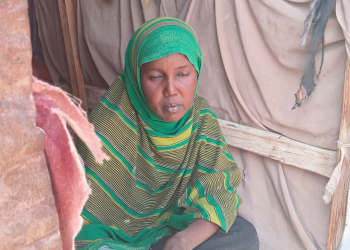
Fihima Hassan, a single mother of seven, was keeping her 20 goats in Hargeisa until they were confiscated by the local authority, which has demanded payment for their release.

“I am so worried about my livestock; I don’t even sleep at night. I take care of them like my children. I am a human and I don’t have a place to keep the livestock,” she explained.

“My family has been through very difficult times. Now we are concerned about the rising food prices. We used to make a living from the goats but they have now been taken. Today we don’t have anything left in our hands,” she said.

Fihima said she used to earn 60,000 shillings ($6) a day selling milk in Hargeisa market. Now, two of her children have dropped out of school as she cannot pay the fees, and she has defaulted on the $30 rent for her small two-room house made of iron sheets for the last two months.

“I used to be able to feed my children on milk, and also to sell milk. When the goats give birth I would milk them at night and sell milk during the day. This money would take care of the education, rent and all our bills,” she stated.

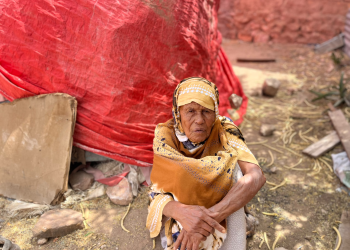
Another victim of the new measures, Nimo Abdullahi has been depending on relatives and neighbours for food and water since the authorities confiscated her 10 goats.

Nimo said that she turned to selling chapattis outside her house but the meagre $1-2 she makes a day barely supports the family.

“I don’t get to sell many chapattis, as people don’t know about my new business. I used to get a much better income for my family,” she said.

Her husband used to sell the goats’ milk in Hargeisa market, but now five of their 10 children have dropped out of school due to lack of fees.

Nimo complained to the authorities about their difficult situation and says she is waiting to get her livestock back.

“Some people have money and have been able to take their goats outside the city, but I have not got anything and I still don’t have my goats. I didn’t know about this [new regulation] before and I filed my complaint late, so that’s why I didn’t get anything yet,” she said.

The head of social affairs at Hargeisa local government, Hussein Askar, told Radio Ergo that they had impounded the livestock of families who failed to comply with the new regulations. He noted that they had given gave them two weeks’ notice to remove their livestock from the city before the ban came into effect on 1 September.

The authorities say the measures have been taken to allow for the reforestation and beautification of the city.

The official warned that the livestock would be given to hospitals and prisons to feed patients and prisoners.

“People have come to us and asked for their livestock to be released. Some even have camels in the city. We had given people enough time and information to take their livestock out of the city. We are not going to back down from implementing these regulations,” said Hussein.
Previous Post

Women and children fleeing Somali villages wracked by drought and conflict to find no aid in Mogadishu IDP camps

Next Post

New village schools in Jubbaland give children their first chance of education

Related Posts

blank
FOOD SECURITY

Tax rise in Somaliland puts poor Hargeisa shop owners out of business

September 2, 2026
blank
FOOD SECURITY

New tax halts lifeline work for displaced sand transporters in Baidoa

August 29, 2026
blank
FOOD SECURITY

Impoverished pastoralists in Mudug flee to resource-poor camps in Galkayo

August 28, 2026
blank
FOOD SECURITY

Somaliland closes black markets with outcry from informal local money changers

August 25, 2026
blank
FOOD SECURITY

Small scale youth fishing makes big difference to Mogadishu families

August 24, 2026
Crying out for water in villages around Elwaq
FOOD SECURITY

Ponds in Adado could provide water to thousands if rehabilitated, but pastoralists’ livestock are dying of drought

August 21, 2026
Next Post
Education in Somalia

New village schools in Jubbaland give children their first chance of education

FOLLOW US ON FACEBOOK

DAILY PROGRAMMES

IDAACADDA 04-SEP-2026

IDAACADDA 04-SEP-2026 by Radio Ergo

IDAACADDA 04-SEP-2026
Episode play icon
IDAACADDA 04-SEP-2026
September 4, 2026
Episode play icon
IDAACADDA 03-SEP-2026
September 3, 2026
Episode play icon
IDAACADDA 02-SEP-2026
September 2, 2026
Episode play icon
IDAACADDA 01-SEP-2026
September 1, 2026
Episode play icon
IDAACADDA MAANTA 31-AUG-2026
August 31, 2026
Search Results placeholder
Radio Ergo Weekly Newsletter
We respect your privacy.
blank
blank
blank

© Copyright 2014 - 2024 Radio Ergo

No Result
View All Result
  • Home
  • Topics
    • Latest Stories
    • IDPS/Refugees
    • Natural Disasters
    • Health
    • Social
    • Food Security
    • Education
    • Agriculture & Livestock
  • Programmes
    • Locust Programme
    • Farming Programme
    • Radio Doctor Programme
    • Women Programme
    • Entertainment Programme
  • About Radio Ergo
  • Contact Us
  • blankSomali
  • blankEnglish

© Copyright 2014 - 2024 Radio Ergo