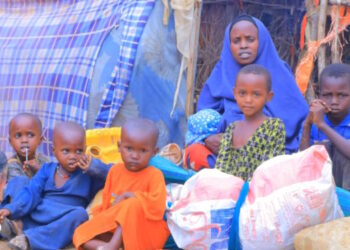


(ERGO) –More than 200 families who have lost their livestock in rural areas of central Somalia’s Mudug region are facing increasingly difficult living conditions in displacement camps in Galkayo.
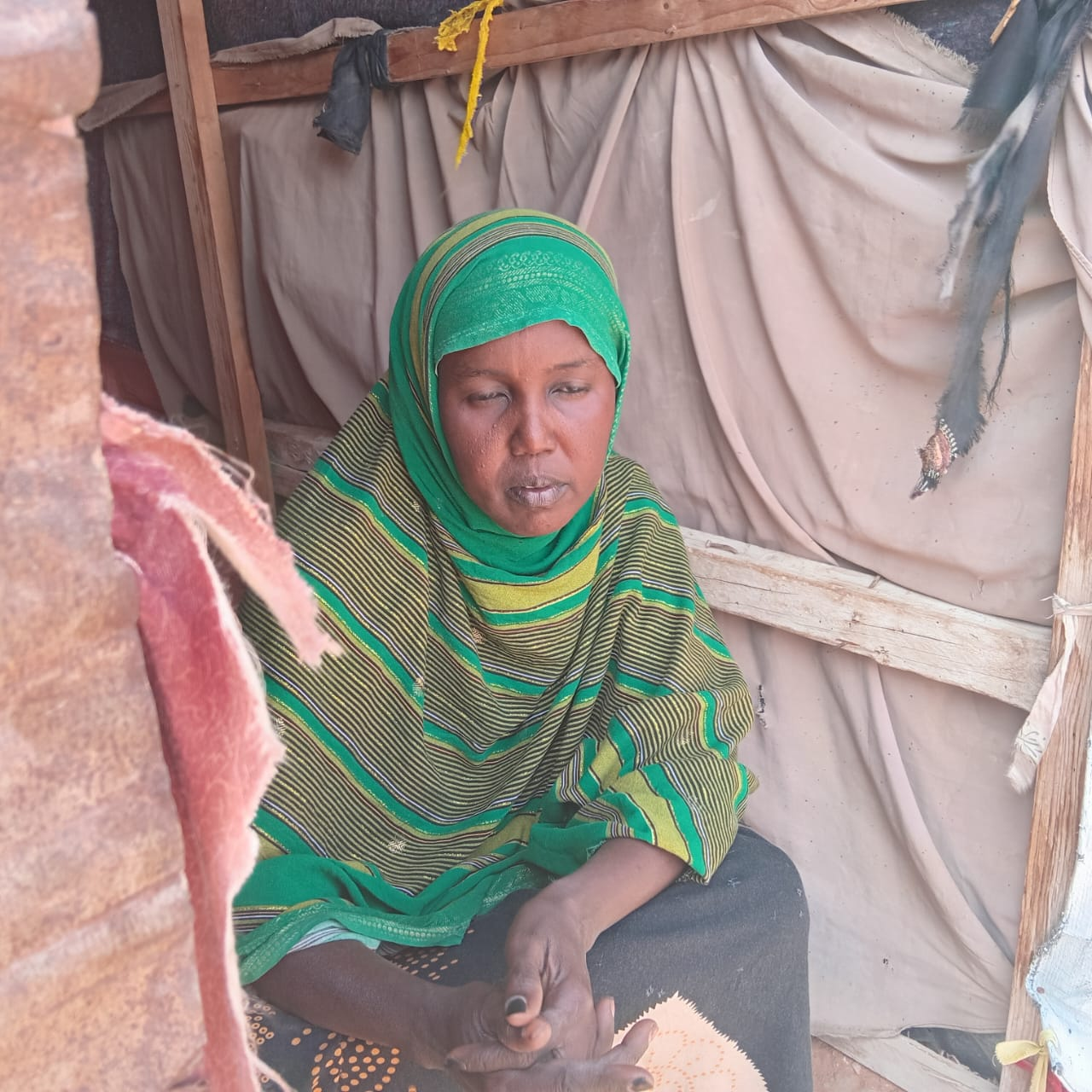
Fardowso Nur Mohamed has struggled to secure adequate food, water and shelter for her six children since arriving in Horiyo camp in April. They have largely relied on assistance from other camp residents, many of whom are also facing significant financial and humanitarian challenges.
They are sometimes forced to sleep on empty stomachs. She arrived at the camp with virtually nothing and has no relatives or acquaintances in Galkayo to turn to for support.
“Sometimes we get food and sometimes we don’t. Last night, I couldn’t prepare dinner for my children because I had nothing to give them. They were crying from hunger, and I couldn’t do anything to help them,” she told Radio Ergo.
“I have no job, and there is no father working to provide for them. The only thing I can do is go from house to house asking for help to find something for my children to eat.”
Fardowso, 43, is raising her children alone after separating from their father, who has not provided any support. The children are at risk of malnutrition because they rarely receive sufficient nutritious food.
She tried to obtain milk and vegetables on credit from shops in Galkayo, but traders declined because they don’t know her and have no basis for trust.
All her children have been infected by a severe flu that is spreading and by high fever that she thinks could be malaria as the camp is infected with mosquitoes. She has no money to take them to a health facility.
They are sleeping in a makeshift structure made of cloth and poles that is too cramped to accommodate them all.
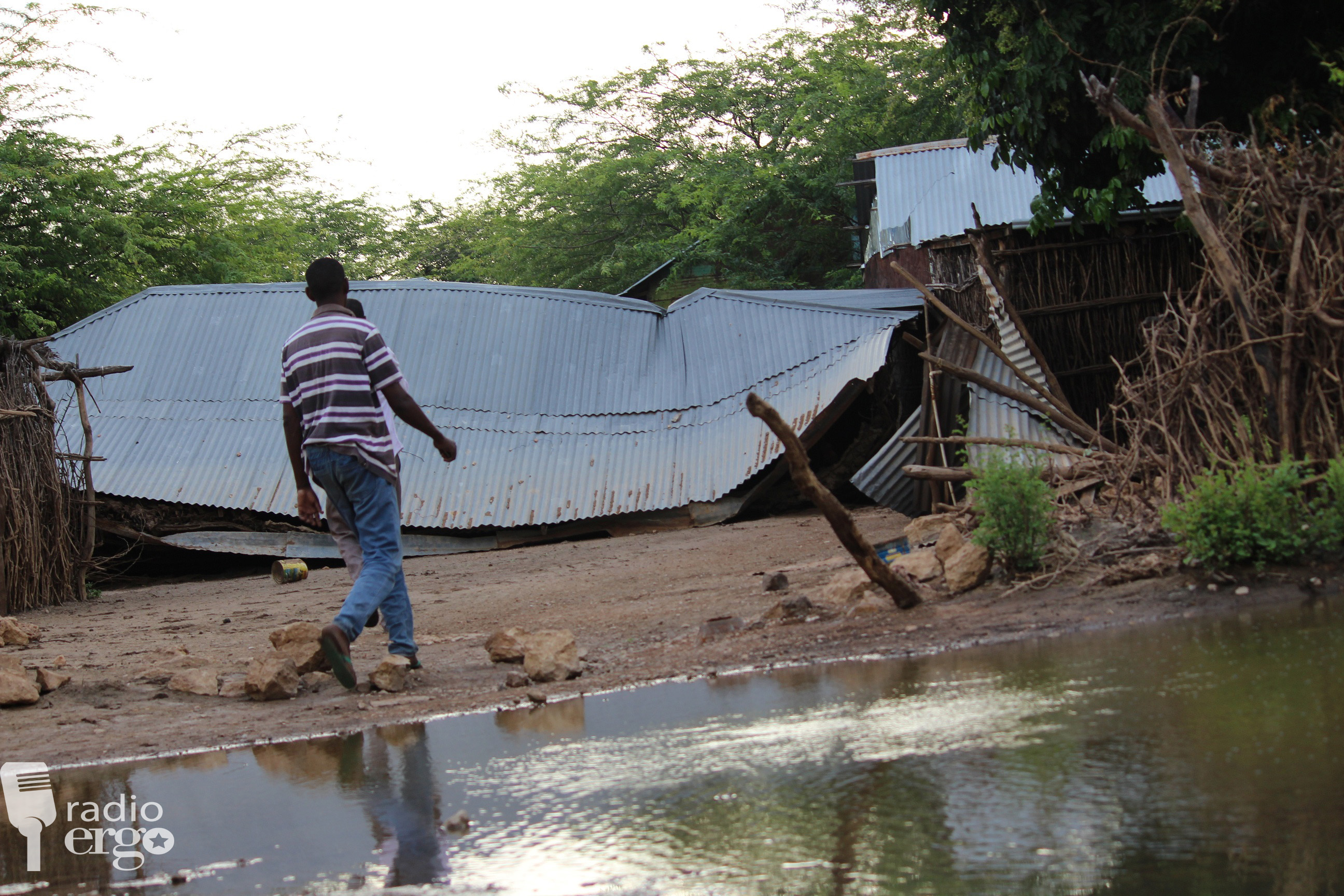
“Our shelter is not safe. Thieves come to the camp, and anyone who wants to steal can make a hole in the back of the shelter and enter, so we stay awake all night, afraid that we could be attacked or our harmed,” she said. “The shelter doesn’t protect us from rain, sun or wind. We are living in extremely poor shelter and very difficult conditions.”
Fardowso and her family were displaced from the Saahaqurun area of Mudug after all their 50 goats died due to prolonged pasture shortages caused by inadequate rainfall over three consecutive years.
She spends the entire day going around the city looking for people who might offer her cleaning work, but often returns without finding any jobs because she is not known in the area. She has spent her entire life as a pastoralist. She thought they would receive some assistance in the camp but has been disappointed.
Most pastoralists living in Mudug region are facing similar hardships as a result of recurrent drought and livestock losses.
Hawo Adan Dirshe, a widow, has been living in Horiyo camp for two months, with insufficient food and shelter. For the first time in her life, she said she has been forced to beg for help from people living in the city. Her children, the youngest being four years old, sometimes go without food throughout the day and night.
Acute Water Scarcity
The only tap serving the entire camp has been out of service for about a month and a half as residents were unable to pay their outstanding water bills.
“We have been neglected when it comes to water since we arrived. We owe the water company a lot of money, and every day the water office staff come and demand payment by threatening us, but we have nothing to give them,” she said. “We have gone several days without accessing water.”
Hawo, 39, was also disappointed to find no aid or services in the camp. She has no job skills for the city and can’t earn any income to support her children.
She has accumulated big debts at shops in Galkayo over the past two years, where she had been obtaining food on credit. Earlier this year, the shopkeepers capped her credit for food and are threatening to arrest her for non-payment of debts:
“I currently owe $280 to one shop and another $50 to a different shop. Last night, the woman from whom I used to obtain food called me and asked me to repay the debt. I told her that I’d pay when I received some money, but at present, I have nothing. She told me if I hadn’t paid the previous debt, not to come asking her for anything else.”
Hawo’s family was displaced from the rural areas of Galkayo after losing their 70 goats to drought. Recovery would be hard, she said, without any alternative source of living.
More families arriving
A member of the camp administration, Hamdi Said Yusuf, said Sahan, Mudud and Dooho camps had registered 254 newly displaced families over the past three months, and more were coming, placing pressure on overall resources.
“The needs are enormous. They don’t have food, water or fuel for cooking, and some of them are sleeping in the open. We can’t meet these needs. We ourselves are dependent on assistance, and when two people are both without resources, neither can support the other. All we can do is register the newcomers and build places for them to live,” she said.