

((ERGO) – Men who lost their livestock to cycle of drought in central Somalia’s Mudug region are turning to fishing along the coast, as the collapse of the pastoralist livelihood leaves them with few alternatives.
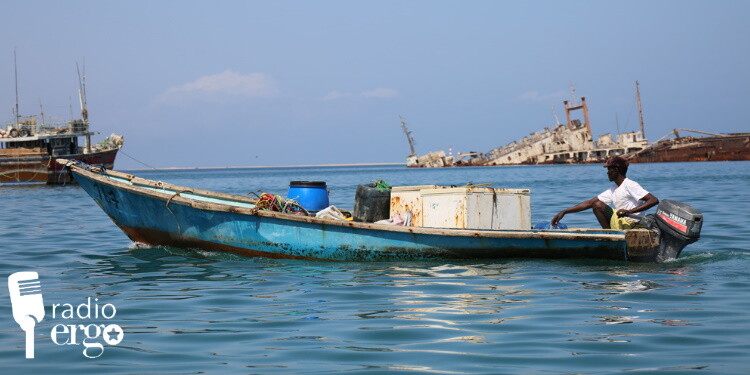
Some have moved from rural areas to the coast, where they are learning to swim, dive and fish. Many had never seen the sea before, but are now earning an income from fishing in Fah, Hobyo, Elhur, Gal-hogag, Labad and Harardere.
Osman Mahmoud Ali, 32, supports his family of 10 on around $250 to $300 a month from fishing. He arrived in Hobyo after losing all 60 goats he kept in rural Mudug.
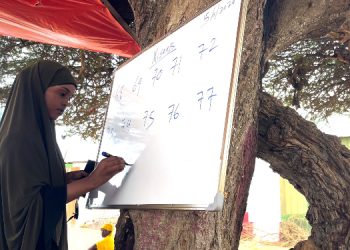
He found work with a fishing company in town, Mubarig, that gave him a month of training in swimming and fishing. Using the company’s equipment, he now goes out to sea making on average $8 -$10 a day.
“When the drought wiped out my livestock, I had to look for a way to earn a living from the sea rather than begging people for help or let my children go hungry and become homeless,” Osman said.
He moved his family to Hobyo, where he is paying $30 a month in school fees for six of his children and $40rent for a two-room house.
He said they had recovered from the food shortages they faced after losing their livestock. He considers fishing a more reliable source of income than pastoralism, which has become increasingly vulnerable to climate-related shortages of water and pasture.
He hopes to become an independent fisherman with his own boat and equipment, which would cost about $5,000.
“I have learned the skills needed at sea, including swimming and diving, but I don’t have my own equipment as I work for a company. If I had my own equipment, work would be easier and my life would improve further,” he said.
Osman’s family now had enough food and his worries have eased.
However, one of the challenges facing the fishermen is the threat from large foreign fishing vessels operating ruthlessly along the coast.
“We have been troubled by large boats carrying Iranian and Yemeni flags. On some days, they take away the nets we have placed in the sea or cut them,” he said.
Another pastoralist, Abdirahman Ali Adan, with a family of seven, started fishing in Labad in March. He goes to sea alone every morning, using nets and fishing lines, and sells his catch to locals for $2 per kilo.
“Some days I catch 10 kg of fish. I sell what I can and give the rest to my children. Some days I earn $10, others $15, and sometimes as much as $25,” he said.
Friends encouraged him to take up fishing and trained him for a month. He borrowed $30 to buy his basic equipment.
He lost 80 goats and 10 camels to drought towards the end of last year in the rural area near Labad. He couldn’t find work portering or in quarries so turned to fishing.
Abdirahman also believes fishing is more profitable than livestock rearing nowadays.
He has enrolled two of his children in school in Hobyo, where they stay with relatives, as there is no school in Labad. He pays $75 a month for their education and upkeep.
The chairman of the Mudug regional fishermen’s association, Abdirahman Abdi Ahmed, said nearly 400 people had started fishing since May.
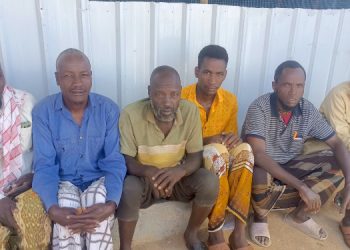
“Many work for fishing companies, while others work independently. Most are young people, and about 80 per cent of those working here lost their livestock,” he said.
The chairman said the association helped newcomers access training and find work. However, many cannot afford fishing equipment and safety gear.
Abdirahman also cited security challenges preventing local fishermen from reaching deep sea fishing grounds, notably interference from foreign vessels, as well as ships deployed to combat piracy off the Somali coast.
Fishing takes place for only nine months of the year, while rough seas during three months force them to suspend their activities and depend on other income, savings, or loans