(ERGO) – Hundreds of struggling pastoralist families in Adado district, in central Somalia’s Galgadud region, can no longer afford to buy water after the seasonal ponds they rely on have dried up.
Their livestock have lost much of their value, shrinking their income so they are virtually destitute. The local ponds have had little rainfall to fill them and have no channels to bring in additional water. They also lack linings to prevent the ground from absorbing what they do collect.
Ahmed Adan Hassan, who lives in Balli-khayre, said his family of 11 could not afford a $6 barrel of water transported from Miirjilay, about 30 kilometres away. The household survives on 10 to 20 litres a day, mostly shared by neighbours, leaving little for washing or other hygiene needs.
“Water shortages have always been a problem here, but they have become much worse. There is very little water and people are suffering from severe thirst,” he told Radio Ergo. “We used to rely on our livestock to get through difficult times, but drought has destroyed their value, and even finding water has become harder.”
Ahmed used to buy water on credit and repay when his livestock recovered. That arrangement ended in May after he accumulated $300 in debt that he couldn’t repay because his animals were so weak they were unproductive. Several times, he asked relatives for water, but they were unable to assist.
The water crisis has devastated his livestock. Ahmed said he was forced to leave the area four times in search of water and pasture, only to return when he could not find a better place to settle: “Water shortages have killed many of our animals. Last year I lost close to 100 livestock as drought, lack of pasture, disease and thirst all came together.”
He now has only 47 weak goats left. The family has lost access to milk, meat and livestock sales, leaving them short of food. Their only regular help comes from relatives in Dhuumoodle, who sometimes share part of their food.
“Life in the rural areas is very difficult today. There is no water or pasture, and people’s lives are at risk. The livestock we depended on are disappearing,” he concluded
Ahmed said the rural way of life had changed irreparably over the past decade. Water and pasture that were readily available have become increasingly scarce, while communities still rely largely on rainfall and natural grazing.
He believes the area’s natural water catchments could provide a better buffer against dry seasons if they were developed to store the water and if more fodder was grown for livestock.
Another pastoralist, Abdiwahid Abdullahi Hussein from Balli-sonkor, said local ponds were filled after the most recent though little rainfall, but dried up within two weeks. Since April, his family has struggled with water shortages that caused the loss of 23 of his livestock.
He has 27 animals left and has to buy water from tankers that sell a 30-barrel delivery for about $125. He stopped being given water on credit in May after accumulating a $200 debt.
His surviving livestock are too weak to sell, leaving the family of six children dependent on loans and occasional help from relatives in nearby towns.
“It has become very difficult to sell an animal and take it to market. Most of the time it is not possible. Our family depended on livestock and we have no other means. We urgently need support with water because our lives depend on it,” he said.
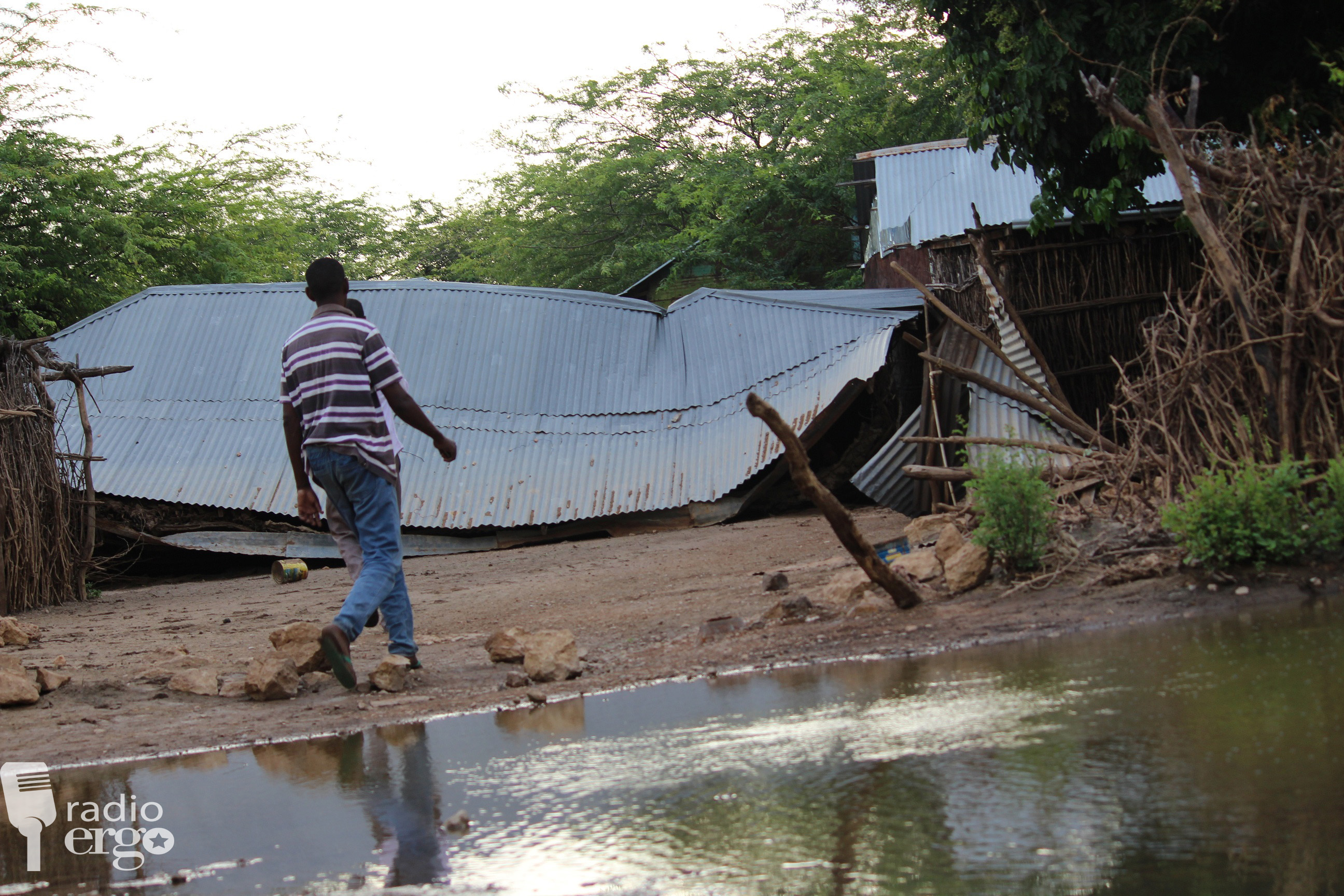
Local ponds and water wells, their main water sources, are often empty. When rain comes, the water quickly disappears into the ground because the ponds lack plastic or cement lining. The areas in Adado most affected include Balli-khayre, Balli-sonkor, Mirhaylay and Balliad.
Abdiqadir Mohamed Ibrahim, an environmental specialist, said the region’s water-storage problem was longstanding and had become more serious as poor rainfall persisted. Ponds in these areas could collectively hold more than 10,000 cubic metres of water if they were properly rehabilitated and managed. That amount could supply thousands of families for at least a year.
He estimated that rehabilitating the ponds and putting proper systems in place would cost at least $100,000:
“The best approach is to deepen the ponds and line them with plastic or another material so that the water does not quickly seep into the ground. It is also important to build small dams and larger storage tanks. These measures could provide a lasting solution for pastoralist communities.”
Abdiqadir called for a long-term government plan to develop water-storage infrastructure in the affected areas. He also encouraged pastoralists to work together to build smaller water catchments when larger projects are beyond their means.