

(ERGO) – Nearly 1,000 families displaced by conflict in Adado, in central Somalia’s Galgadud region, have received food for a month from a relief committee appointed by Adado administration on 13 September.
The families were displaced from Adakibir, Dhumodle, Ali-Wayd, Dhisaq and Maygaag-doob at the beginning of September following clashes between Al-Shabab and community militia forces.
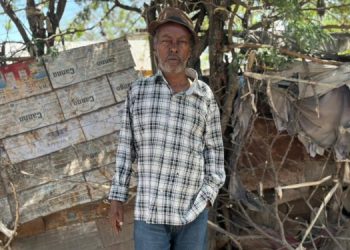
“The food was very much needed and we are doing better now,” Ahmed Ali Salad, a father of 10, said. “You can imagine people who came here from a long way. We have got 75 kgs of flour, rice and sugar and three litres of cooking oil.”
However, the food is running out fast and they also have other urgent needs such as shelter.
“We live under a tree; we didn’t carry cooking utensils or food with us and we had no camels or donkeys or cars to transport us. We are destitute people,” said Ahmed, whose 90 goats and eight camels were confiscated by Al-Shabab militia. They depended on livestock and now he has just two young goats left.
Many of the families including Ahmed’s have settled in Tulo-Barwaqo, 47 kms from Adado, where they moved hoping to access free water from the borehole.
Sharif Ahmed Farah arrived there in September. They received 45 kgs of food from the relief committee that lasted his family of nine for a short while. They are also worried about their flimsy shelter that affords them little protection from the elements.
“If the rainfall starts now we don’t have plastic shelters to protect us. We are just waiting to see what happens but we don’t have any plans for ourselves,” said Sharif. They have been borrowing food and utensils from their neighbours.
They were displaced from Ali-wayd village, 35 kms from Adado, after their 150 goats were confiscated by Al-Shabab and their pond with a capacity of 2,000 barrels of water was deliberately buried with sand.
“We walked for two days and two nights, after every half an hour of walking we would stop and look for water and carry some. There were elderly people, pregnant women, and children with us. We couldn’t afford to hire a car,” he said.
These families were mostly pastoralists and have scattered in Ardo, Dhagah-dheer, Habaasley, and Armoley, as well as Tulo-Barwaqo.
Mohamed Abdi Mohamed, deputy head of the relief committee’s food aid programme, said they planned to give out more food on 20 October using funds collected from local business people and the diaspora.
“We have only covered 10 per cent of the aid needs of the families. We have tried to prioritise food, we have also informed the aid organisations although their response is delayed, and we are appealing for more aid from the federal government and the aid organisations,” he said.
He noted that the families needed food as well as resettlement, housing, and bedding and utensils.