

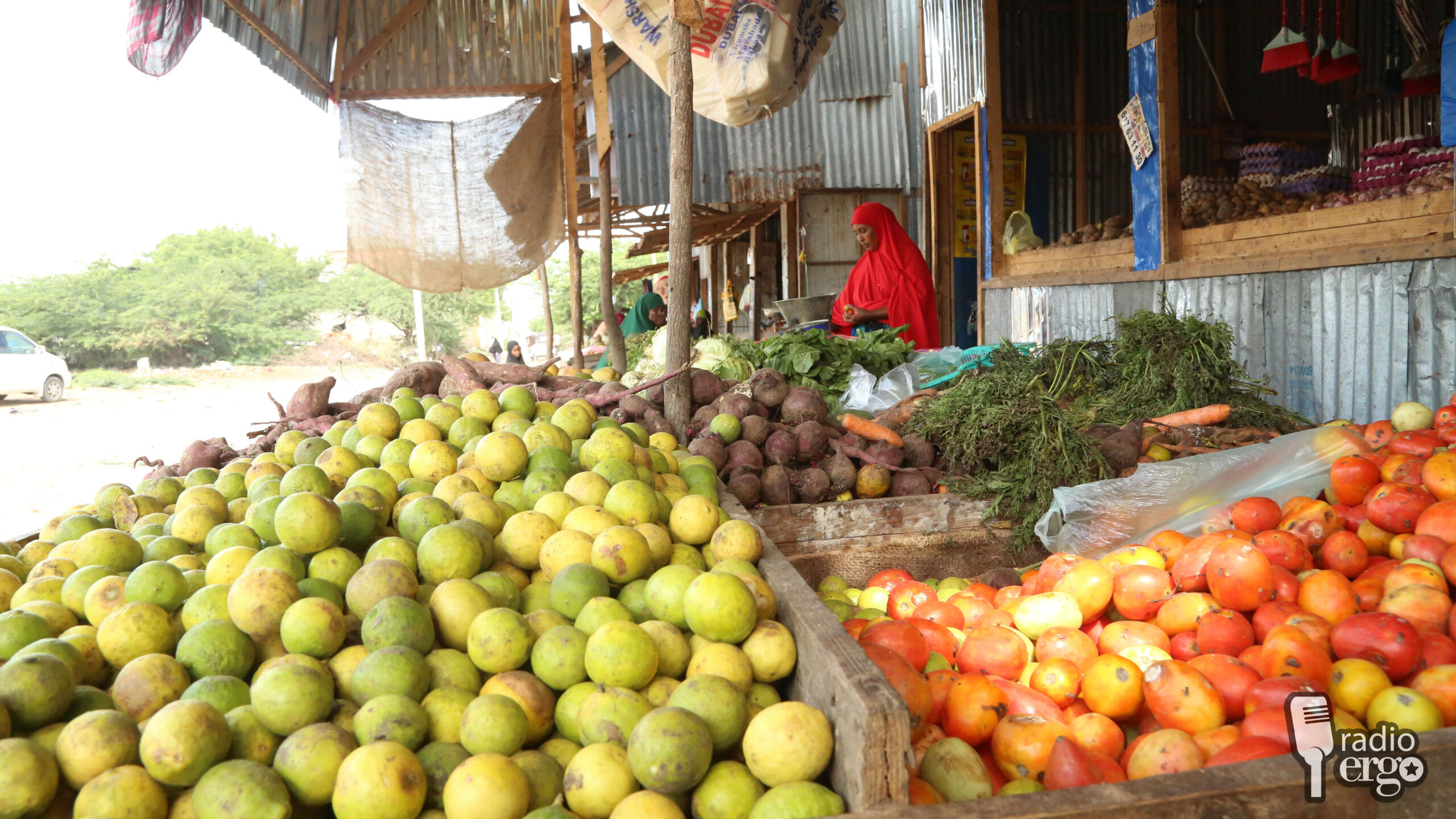
(ERGO) – Farmers in Afgoye, southern Somalia, who normally make a living growing vegetable s and other cash crops have seen their income slashed by failed rain and lack of water.
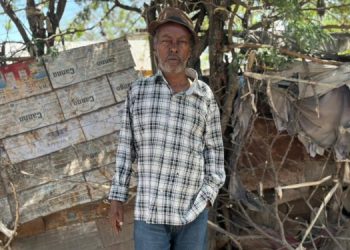
Osman Ahmed Kasim, a father of eight with a two-hectare farm in Jambalul village, three kilometres from Afgoye, could not afford to dig a well when river water dried up and has not managed to plant any vegetables for seven months.
“I have been a farmer all my life and I don’t have business or other skills. I used to grow carrots, turnips, and lettuce and earn between $800 and $2,000,” he said.
Having to support his wife and their six children, he took up livestock brokering in the livestock market, which is held on Saturdays and Wednesdays. He earns around $20 from sales on those days and is able at least to pay the $12 fees to keep his oldest two children in school.
“I know some people and relatives from the livestock market and I help these people sell their livestock,” Osman said.
Kamaal Ahmed Mohamed, another farmer with a five-hectare field in Bangaley village, gave up on his land when the crops failed. His savings lasted him for two months and now he lives on loans.
“I take loans to pay for my children’s school fees, buy food and pay the house rent,” he said.
He used to earn about $5,000 a year from sales of tomatoes, peppers and kale among other vegetables.
“The children used to take a bus to school but now they have to walk, and I used to give them some money to use after class breaks, but now they just come back and eat at home,” said Kamal, disappointed in the downturn in their standard of living.
Ibrahim Abdullahi Abdi, with a three-hectare farm in Galwore village three kilometres from town, has no seeds despite trying to get a loan to buy them.
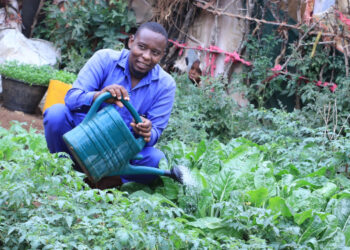
With the river now flowing with water after some rainfall, he is desperate to seize the opportunity to cultivate. He used to earn $1,000 from a good harvest.
“I can’t afford the seeds – a can of carrot seeds is $50, we can only get maize and I will probably have to plant that,” he said.
Ibrahim turned to casual jobs on construction sites for $5 a shift to enable his family of four young children to survive. He is saddened by the irony of having water at last, but no seeds to plant.
“I have a big farm and there is water! My wife used to sell the produce in Afgoye and Mogadishu. But we have been faced with unfortunate times and now I work in construction,” he moaned.