Radio Ergo - Somali Humanitarian News and Information
  • Home
  • Topics
    • Latest Stories
    • IDPS/Refugees
    • Natural Disasters
    • Health
    • Social
    • Food Security
    • Education
    • Agriculture & Livestock
  • Programmes
    • Locust Programme
    • Farming Programme
    • Radio Doctor Programme
    • Women Programme
    • Entertainment Programme
  • About Radio Ergo
  • Contact Us
  • blankSomali
  • blankEnglish
No Result
View All Result
Radio Ergo - Somali Humanitarian News and Information
  • Home
  • Topics
    • Latest Stories
    • IDPS/Refugees
    • Natural Disasters
    • Health
    • Social
    • Food Security
    • Education
    • Agriculture & Livestock
  • Programmes
    • Locust Programme
    • Farming Programme
    • Radio Doctor Programme
    • Women Programme
    • Entertainment Programme
  • About Radio Ergo
  • Contact Us
  • blankSomali
  • blankEnglish
No Result
View All Result
Radio Ergo - Somali Humanitarian News and Information
Home LATEST STORIES

Water becomes scarce and costly in Jigjiga, Somali region

Radio Ergo by Radio Ergo
April 15, 2021
in LATEST STORIES, SOCIAL
0
blank

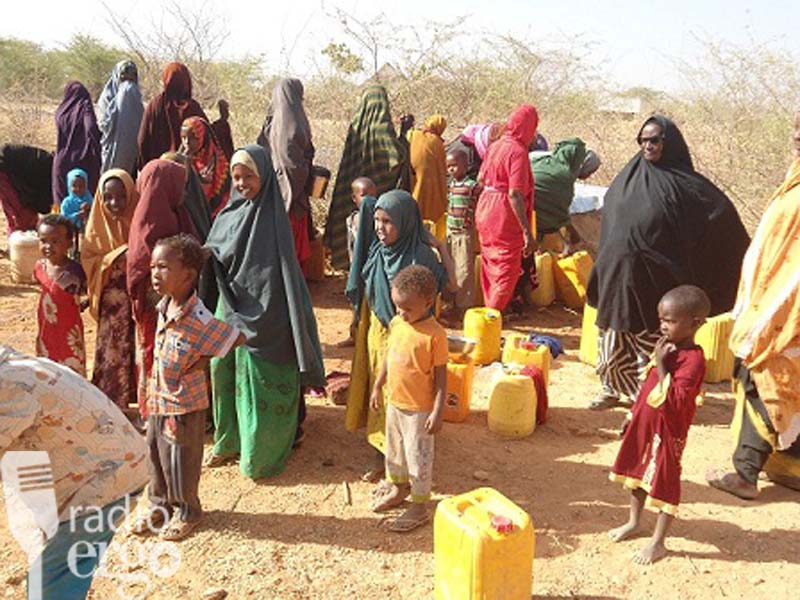
File Photo/Ergo

0
SHARES
Share on FacebookShare on Twitter

(ERGO) – Shamis Ali Mohamed, a widowed mother of seven, has been unable to buy water for her family since prices rose three to four times, from under a dollar to $3.5-$4 a barrel.

For two weeks, she has been living on a 20-litre jerry can of water that she collects from better off neighbours in Jigjiga, capital of Ethiopia’s Somali region.

“We beg from our neighbours, some give us five litres of water, others three litres, and that is how we get to survive,” she said.

Shamis sells vegetables on the side of the road, making half to one dollar a day. A 20-litre jerry can of water sells at $0.4 – close to her daily earnings.

She feels that she and her children are at risk during the COVID19 pandemic because they do not have adequate water to spare for hygiene purposes.

According to officials at Jigjiga city water department, the water shortage has been caused by the lack of water in the city wells in this harsh dry season, and the depletion of water in a storage reservoir. The reservoir was a source of affordably priced water delivered by tankers to city residents.

Maryama Abdi Yussuf, a mother of 13, who sells plastic bags in the market, said well water was not available even if you had money to buy it. She was forced to buy her children bottled water to drink on two days in the past week.

“I had the money, but there was no one to sell me water. We request our state government to help us get water!” said Maryama.

She earns about a dollar a day, whilst her husband contributes about $2 from his tailoring work in the market.

Maryama said her children’s school uniform had not been washed for two weeks, as the hiked prices meant they could only buy water for cooking and drinking.

“At least our family gets $3 a day, but there are families that don’t earn even one dollar a day. How will such families afford water?” She asked.

“It is time the government showed mercy to us and helped us with water as soon as possible,” she added.

The water authority told Radio Ergo that they are not in a position to help the residents.
Previous Post

Scene 29: Evicting IDPs from camps should stop amid Coronavirus pandemic

Next Post

HEALTH EXPERT ANSWERS LISTENERS’ QUESTIONS ON COVID 19 (53)

Related Posts

Women in Kismayo make survival income selling acacia seeds as drought fodder
AGRICULTURE & LIVESTOCK

Women in Kismayo make survival income selling acacia seeds as drought fodder

January 19, 2026
blank
AGRICULTURE & LIVESTOCK

Greenhouse farm in Mogadishu employs displaced rural farming youth

January 16, 2026
Somalia live news, Somalia latest news, Mogadishu live news, Somali news
FF Feedback

Radio Ergo audience feedback report 8-14 Jan 2026

January 15, 2026
blank
IDPS/REFUGEES

Peace deal reconciling warring clans enables families to rebuild lives in Hananbure after five years away

January 14, 2026
Trained midwives keep vital services going as health care declines in Dadaab
HEALTH

Trained midwives keep vital services going as health care declines in Dadaab

January 13, 2026
School burnt down in Baidoa leaves IDP families bereft
EDUCATION

School burnt down in Baidoa leaves IDP families bereft

January 12, 2026
Next Post
Radio Doctor

HEALTH EXPERT ANSWERS LISTENERS’ QUESTIONS ON COVID 19 (53)

FOLLOW US ON FACEBOOK

DAILY PROGRAMMES

IDAACADDA 19-JAN-2026

IDAACADDA 19-JAN-2026 by Radio Ergo

IDAACADDA 19-JAN-2026
Episode play icon
IDAACADDA 19-JAN-2026
January 19, 2026
Episode play icon
IDAACADDA 17-JAN-2026
January 17, 2026
Episode play icon
IDAACADDA 16-JAN-2026
January 16, 2026
Episode play icon
IDAACADDA 15-JAN-2026
January 15, 2026
Episode play icon
IDAACADDA 14-JAN-2026
January 14, 2026
Search Results placeholder
Radio Ergo Weekly Newsletter
We respect your privacy.
blank
blank
blank

© Copyright 2014 - 2024 Radio Ergo

No Result
View All Result
  • Home
  • Topics
    • Latest Stories
    • IDPS/Refugees
    • Natural Disasters
    • Health
    • Social
    • Food Security
    • Education
    • Agriculture & Livestock
  • Programmes
    • Locust Programme
    • Farming Programme
    • Radio Doctor Programme
    • Women Programme
    • Entertainment Programme
  • About Radio Ergo
  • Contact Us
  • blankSomali
  • blankEnglish

© Copyright 2014 - 2024 Radio Ergo