

(ERGO) – A school in the southwestern Somali town of Luq has put in place special measures to prevent the spread of COVID19, after having experienced suspected cases of the virus last year.
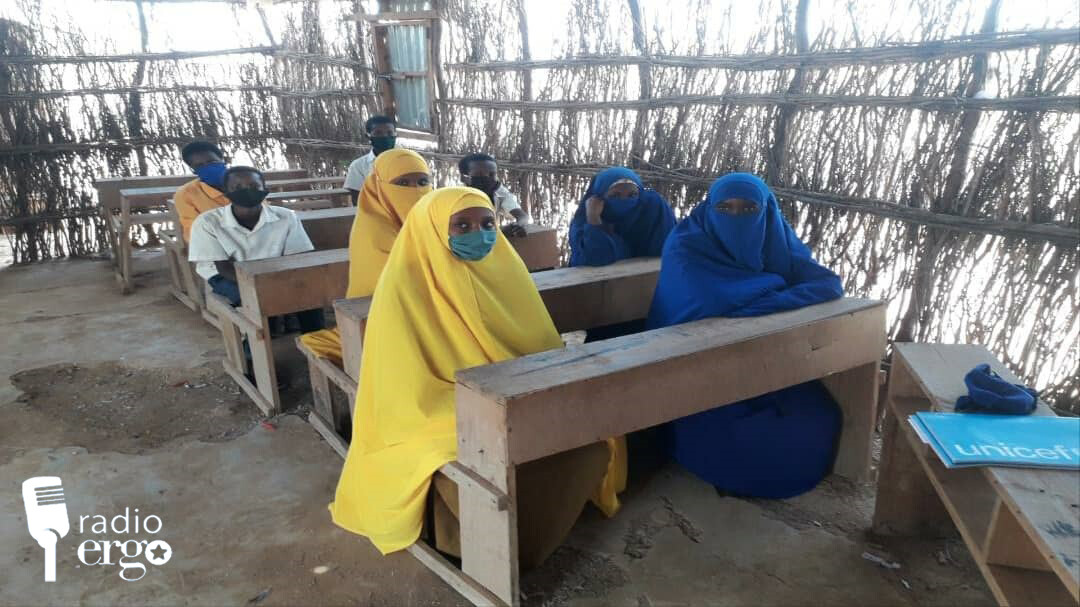
Boyle primary and secondary school in Luq is now teaching its 280 students in both morning and afternoon sessions, to minimise numbers in each class and avoid overcrowding in the seven classrooms.
“We have few classrooms in the school. Before the pandemic, each class had 30-35 students, but now with social distancing we are maintaining a maximum of 20 students in a class,” headmaster Siyad Mohamud Salad told Radio Ergo.
In October 2020, five students suffered from suspected COVID19 infections. They were sent to the local hospital, where – although they were not tested – doctors prescribed some medicine to ease their symptoms and told them to quarantine for two weeks.
The headmaster said that all those affected had recovered well. However, they continued to see sickness among the students and decided to take firm action to contain the spread of Coronavirus.
“At the start of this term, we had days when almost 10 students at one time were coming to school feeling sick, but thankfully things are much different now,” he said.
All students wear masks at school and sit at desks with two instead of four people. They have to wash their hands when entering and leaving school, using soap provided to the school by the ministry of education.
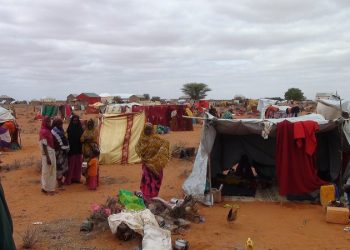
The students at Boyle school come mostly from displaced families living in IDP camps and other poor families nearby. The teachers are contributing money from their own pay to buy cloth face masks, costing around $60 every two weeks.
The school is free for students. Norwegian Church Aid (NCA) supports the school by paying teachers’ salaries and a free lunch for the children.
Boyle is thought to be the only school in the region that has taken such a proactive approach to the containment of Coronavirus. Its measures are having a wide impact on the community.
A grade five student, 14-year-old Jimale Maalim Hassan, who lives in Busley IDP camp, said he and his friends took the measures seriously and were telling their families in the camp about the importance of following preventive measures to minimise the risks of the dangerous virus.
“We tell people in our neighborhood that the virus is contagious. The disease is spread by human contact, so we tell them to wear masks and avoid overcrowded places,” Jimale said.