

(ERGO) – Small business opportunities created by an ice-making plant are improving the lives of some of the poorest displaced families living in southern Somalia’s coastal city Kismayo.
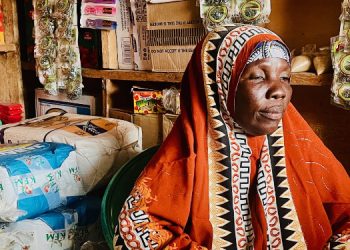
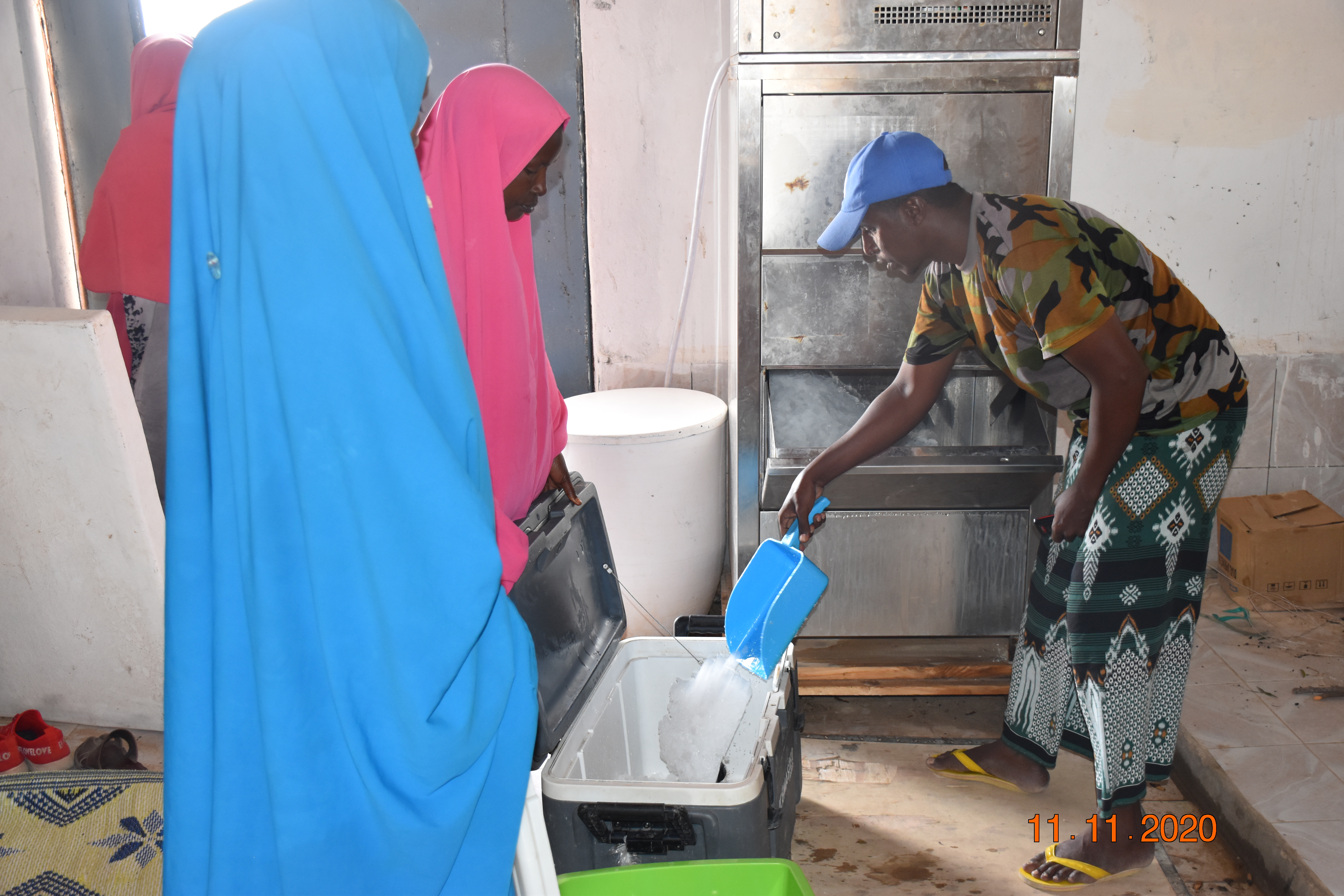
Arbaay Mahamud, a mother of 12, buys 10 kgs of ice a day from the factory for 5,000 Somali shillings. She uses it to chill water that she sells in small polythene bags at 1,000 Somali shillings each at schools, constructions sites and other public places.
“I get good income from the chilled water, unlike before when I used to earn 1 or 2 dollars at most washing clothes. It was a pittance! The children used to sleep hungry,” she said.
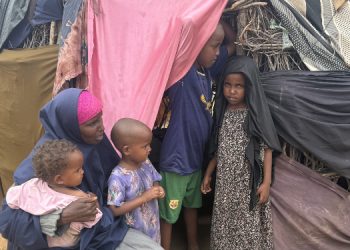
Arbaay is among the 150 families living in around 20 IDP camps in Marino area that are served by the two solar-powered ice-making machines, installed as part of an improvement project for vulnerable and marginalised fishing communities in Jubbaland.
She makes 100,000 Somali shillings a month from her business and puts 10,000 aside to invest in a revolving fund with other women. Her elderly husband is unable to work.
The leader of the Marino IDP camps, Ubah Hassan Adde, said the factory is making 200 kgs of ice twice a day but is still unable to keep up with the demand among camp residents.
The factory makes about 300,000 Somali shillings a day and has employed five local people, including a watchman and cleaners, each earning $100 a month.
“The ice is used to make cold drinks and also sold as ice cubes. This is a reliable source of income that people are happy with. Some of them have started revolving funds and have been able to open other businesses,” Ubah told Radio Ergo.
Faduma Said Ahmed, who lives in Al-Kheir camp, buys 15 kg of ice twice a day from the factory and sells it in smaller pieces for 3,000 Somali shillings a kilo. She earns between 80-90,000 shillings a day.
Her family migrated from Kuunya Barroow in Lower Juba region, when drought in 2017 killed off their herd of 150 goats. She had been struggling to support her family of eight, including six children, by selling fish but had incurred a lot of debt.
“I used to worry a lot about making ends meet. If I got one dollar, I’d ask myself whether I should buy grain or vegetables, but now, thank God, I can afford all the food we need, and we eat at least two meals a day,” she said.
She has managed to pay off 600,000 Somali shillings that she owed.
The ice-making plant was set up by Jubbaland’s Ministry of Fisheries and Marine Resources in partnership with the UN’s Food and Agriculture Organisation (FAO) to provide income generating opportunities for IDP communities. Most of the those who are now earning a living directly or indirectly from the plant were working as casual labourers in construction, quarrying, and domestic work.