Radio Ergo - Somali Humanitarian News and Information
  • Home
  • Topics
    • Latest Stories
    • IDPS/Refugees
    • Natural Disasters
    • Health
    • Social
    • Food Security
    • Education
    • Agriculture & Livestock
  • Programmes
    • Locust Programme
    • Farming Programme
    • Radio Doctor Programme
    • Women Programme
    • Entertainment Programme
  • About Radio Ergo
  • Contact Us
  • blankSomali
  • blankEnglish
No Result
View All Result
Radio Ergo - Somali Humanitarian News and Information
Home LATEST STORIES

Somali families fear the future as overseas cash support shrinks due to the pandemic

Radio Ergo by Radio Ergo
May 20, 2020
in LATEST STORIES, SOCIAL
0
blank

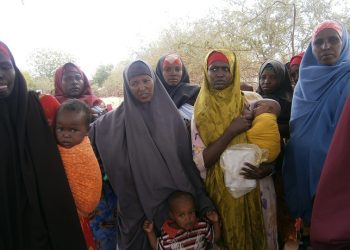
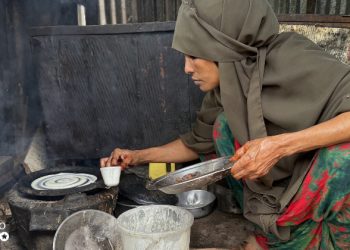
Rejection of Somali shilling notes affects locals/File Photo/Ergo.

0
SHARES
Share on FacebookShare on Twitter

(ERGO) – Maryama Sheikh Mohamed Adan, a mother of six, who lives in the northern Somali city of Lasanod, told Radio Ergo that she is not able to cover her family’s needs since her husband lost his job and stopped sending monthly cash from Mozambique.

Her family is among the thousands of Somali families dependent on monthly remittances from their relatives in the diaspora. Their source of cash has been cut or reduced by the secondary effects of the Coronavirus pandemic.

Maryama’s landlord is demanding $150 for last month’s rent and her electricity has already been cut because she could not pay the $55 she owes to the power company.

“I am worried about being evicted. The landlord keeps calling and telling me to either pay the rent or leave the house,” she told Radio Ergo.

Her once comfortable life in this part of Sool region was turned upside down when her husband was laid off from his job two months ago. He was working the night shift in a restaurant, but when the Mozambican government imposed a nighttime curfew from 5 pm to curb the spread of the virus, his job was axed.

Maryama has been forced to ask the neighbours for assistance to cover the family’s basic needs, including food and water.

“Everything changed so quickly. I already owe $560,” she said, sick with worry about the coming weeks and months.

Safiya Jama Abdi, a 33-year-old mother of four and resident of Lasanod, has also been affected by the cut in remittances. Her husband lost his job in a company in Saudi Arabia due to the lockdown and stopped sending the $150 housekeeping that the family relied on.

Accustomed to living on her own, she now feels she has become a burden on her aunt after being forced to move in with her.

“Without a job, he could not send us anything. My biggest worry is how long I can remain a burden on my aunt, I have no idea what the future holds,” Safiya said.

Somali remittance companies, known as Hawalas, have indicated that the flow of money they used to transfer from abroad has greatly reduced,

especially over the past two months, due to the global economic downturn caused by the Coronavirus pandemic.

The manager of the money transfer company Dahabshiil’s Lasanod branch, Abdiqani AwDahir Haji, confirmed that the cash sent from Somalis abroad through his branch has already reduced by one third. This has had a negative effect on the city’s residents and businesses, he noted
Previous Post

Galkayo fresh fruit sellers go out of business as floods halt supplies from southern regions

Next Post

Somali IDPs in Mogadishu camps go hungry as Coronavirus destroys casual labour market

Related Posts

blank
FOOD SECURITY

Families fleeing deadly Baidoa conflict rely on small donations from locals in Afgoye

October 30, 2026
Somali refugees benefit from Kenya’s national health insurance scheme
HEALTH

Somali refugees benefit from Kenya’s national health insurance scheme

October 28, 2026
Young displaced graduate powers through on peanut sales
FOOD SECURITY

Young displaced graduate powers through on peanut sales

October 26, 2026
Somalia live news, Somalia latest news, Mogadishu live news, Somali news
FF Feedback

Radio Ergo audience feedback report 15-21 Oct 2026

October 23, 2026
Drought-hit Togdher pastoralists sell their last goats to move to town
IDPS/REFUGEES

Drought-hit Togdher pastoralists sell their last goats to move to town

October 22, 2026
blank
FOOD SECURITY

Bank loans enable jobless men in Dinsor IDP camp to start successful businesses

October 21, 2026
Next Post
Somali IDPs in Mogadishu camps go hungry as Coronavirus destroys casual labour market

Somali IDPs in Mogadishu camps go hungry as Coronavirus destroys casual labour market

FOLLOW US ON FACEBOOK

DAILY PROGRAMMES

IDAACADDA 29-OCT-2026

IDAACADDA 29-OCT-2026 by Radio Ergo

IDAACADDA 29-OCT-2026
Episode play icon
IDAACADDA 29-OCT-2026
October 29, 2026
Episode play icon
IDAACADDA 28-OCT-2026
October 28, 2026
Episode play icon
IDAACADDA 27-OCT-2026
October 27, 2026
Episode play icon
IDAACADDA 26-OCT-2026
October 26, 2026
Episode play icon
IDAACADDA 25-OCT-2026
October 25, 2026
Search Results placeholder
Radio Ergo Weekly Newsletter
We respect your privacy.
blank
blank
blank

© Copyright 2014 - 2024 Radio Ergo

No Result
View All Result
  • Home
  • Topics
    • Latest Stories
    • IDPS/Refugees
    • Natural Disasters
    • Health
    • Social
    • Food Security
    • Education
    • Agriculture & Livestock
  • Programmes
    • Locust Programme
    • Farming Programme
    • Radio Doctor Programme
    • Women Programme
    • Entertainment Programme
  • About Radio Ergo
  • Contact Us
  • blankSomali
  • blankEnglish

© Copyright 2014 - 2024 Radio Ergo