(ERGO) – Somali-run small businesses in the Dadaab refugee camps have been closing down due to measures put in place by the Kenyan government to curb the spread of Coronavirus.
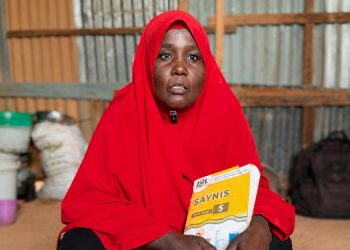
Sahra Ali Hassan, a 46-year single mother of six children, told Radio Ergo that she closed her clothing store in Hagardhera camp because her wholesale partners are not able to bring in new supplies. She used to get the clothes from them on credit, sell them at her store, then pay back the loan making a small profit for her family’s upkeep.
“The income was enough to feed my children and pay for their school fees, but now that the source has dried up, how will I manage? My children used to eat three meals a day, but now I’m not sure of that,” she said despondently.
Sahra has been in the clothing business for 10 years, earning a monthly income of about 25,000-30,000 Kenya shillings (around 25-30 US dollars). Having closed her shop, she is worried about the 300,000 Kenya shilling loan she owes to her suppliers. Many of her customers have taken clothes from her store on credit and are no longer able to pay their bills.
“I worry a lot about the pending payments. My creditors are calling me all the time asking for their money,” Sahra said.
Mohamed Farah Igal, a 24-year-old hawker, told Radio Ergo that he used to go around the camp selling clothes for business owners. In the past two weeks, however, he has had no work.
“When I was working, I was self-sufficient and would even help others. I’d eat all my meals at the restaurant and would take my clothes to the laundromat for cleaning. Now I’m dependent on a relative whose house I go to eat,” he said.
The businesses that are still open are also complaining about the restricted flow of goods from Nairobi to the refugee camps, which makes many refugees fear looming poverty and desperation.
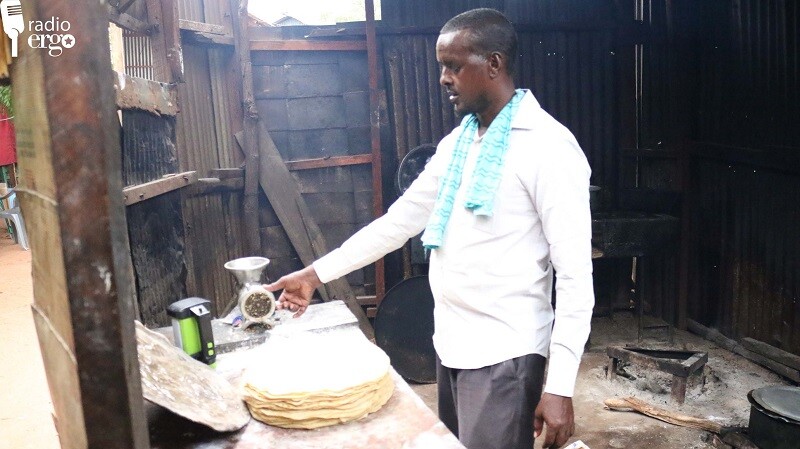
Farah Abdi Isse, the owner of a popular fast-food joint in Hagardhera camp, told Radio Ergo that his once flourishing business is on the verge of closure. The restaurant, he said, was well-known for its chicken and fish dishes and used to draw customers from all over. The tables stand empty now.
Farah worries now that he will not be able to provide for his 12 children. He has already reduced his staff from 12 to just five because he could not pay the salaries due to a significant drop in earnings.
“My restaurant is located in a far corner of the camp. By late afternoon, people would crowd up the place to eat or have tea and coffee. Now it’s almost empty,” said Farah.
The Kenyan government ordered the cessation of movement into and out of Dadaab and Kakuma refugee camps in the northwest with effect from 29 April 2020.