(ERGO) – Milk sellers in Garowe have been affected by the nightly curfew imposed to curb the spread of the Coronavirus in Puntland state.
Fresh milk is delivered to urban centres from rural areas at night, but now that most cities in Puntland are in partial, nightly lockdown, the livelihood of many women who depend on selling fresh milk are compromised.
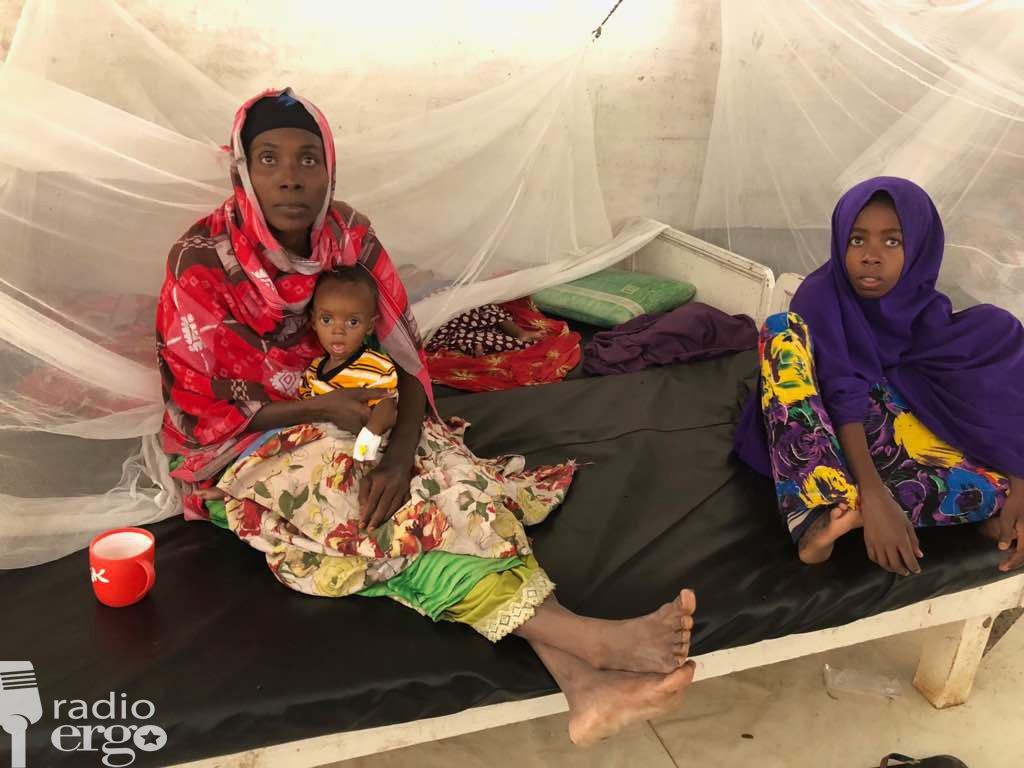
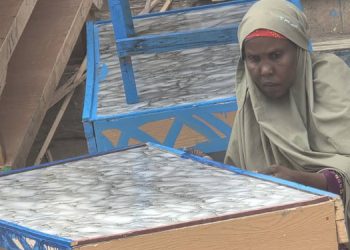
Deqa Adan Muse, a mother of seven children, told Radio Ergo that she buys the milk arriving from rural areas surrounding Garowe at night and then sells to people in the city while it is still fresh. Her business is in sudden decline due to the curfew.
“People who used to buy our milk are now under the curfew, business is bad. We can’t support our families and we are indebted to our suppliers. The other night I bought about 15 cups of milk, but I only sold nine cups, the rest I had to throw out as I don’t have a fridge to store it,” she said.
Before the curfew, she used to buy about 35 cups of camel milk. Her sales used to generate an average of $5 to cover her family’s expenses. Now she is worried about her prospects.
“The little we used to make was enough to support the family, but now my bills are piling up at the local store where we buy our daily necessities,” Deqa said despondently.
Deqa is not the only milk seller complaining about the curfew. All the other women selling milk on the streets are affected by the timing of the curfew. The fresh milk arrives from rural areas like Burtinle, 105 km from Garowe, at around 7pm, but by that time the city is already under curfew.
Farhiya Ahmed Ali says she is now buying just one jerrycan containing about 10 cups of milk. But even that is hard to sell with so few customers around in the streets. She told Radio Ergo that she is struggling to pay back the loan she took to buy the milk in the last three days. She is considering quitting the trade before she incurs more losses.
“We used to earn our living from the trade, but this business is no longer viable. I have a son and a daughter who depend on me, so I ask the government to change the timing of the curfew so that we can continue with our trade,” she said.
The economic impact of COVID-19 is being felt around the world, including Somalia, where the virus has not taken hold but is already affecting people’s livelihoods.
Mohamud Hussein Shortaye, a scholar and commentator, warned that the worst is yet to come.
“This virus has already had a painful impact on humanity in general and if it spreads in Somalia it could bring about a calamity, so people must start saving what they have. This thing could drag on and lead to severe shortage of food. The rainy season has arrived, so we should start planting, especially crops that can be harvested soon enough,” he said.