Radio Ergo - Somali Humanitarian News and Information
  • Home
  • Topics
    • Latest Stories
    • IDPS/Refugees
    • Natural Disasters
    • Health
    • Social
    • Food Security
    • Education
    • Agriculture & Livestock
  • Programmes
    • Locust Programme
    • Farming Programme
    • Radio Doctor Programme
    • Women Programme
    • Entertainment Programme
  • About Radio Ergo
  • Contact Us
  • blankSomali
  • blankEnglish
No Result
View All Result
Radio Ergo - Somali Humanitarian News and Information
  • Home
  • Topics
    • Latest Stories
    • IDPS/Refugees
    • Natural Disasters
    • Health
    • Social
    • Food Security
    • Education
    • Agriculture & Livestock
  • Programmes
    • Locust Programme
    • Farming Programme
    • Radio Doctor Programme
    • Women Programme
    • Entertainment Programme
  • About Radio Ergo
  • Contact Us
  • blankSomali
  • blankEnglish
No Result
View All Result
Radio Ergo - Somali Humanitarian News and Information
Home AGRICULTURE & LIVESTOCK

Farmers pitch in to prevent river floods in central Somalia’s Hiran

Radio Ergo by Radio Ergo
October 7, 2019
in AGRICULTURE & LIVESTOCK
0
blank

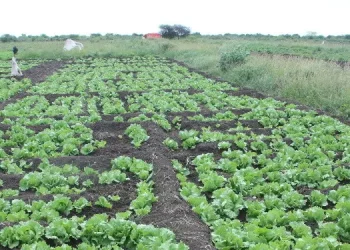
Flood destroyed farms in Somalia/File Photo

0
SHARES
Share on FacebookShare on Twitter

(ERGO) – Faced by the threat of floods yet again, farmers in Jalalqsi district in central Somalia’s Hiran region are repairing the damaged riverbanks in a bid to protect their farms. 

Using locally available materials, a group of 25 farmers have contributed materials such as sandbags, logs, and metal to build up the banks along the Shabelle river where it passes through their land.  

They aim to seal off four sections of the banks that have been breached by the floods in the past and are therefore weak. They are paying the costs themselves.  

To supplement their own labour, they have hired in an extra 15 workers paid $7 per day. 

They told Radio Ergo they have so far filled and put in place 2,000 bags of sand, each costing half a dollar. 

Mohamed Yusuf Ahmed, who has been farming in this region for 15 years, explained that their efforts would have limited impact, however, because they lacked the proper equipment and resources needed.   

“When the river overflows, these bags of sand can’t hold the floods back,” he said. “Though we will try all we can to keep the water back.”  

As a father of seven children, Mohamed’s main source of income is from his farm.  

The farmers say they would be able to make a much better job of preventing flood damage if they received financial support.   

Mohamed Ibrahim Muse, a farmer, told Radio Ergo that they are spending money on the project from the sales of vegetables they have grown.  

He said he made big losses last season and can ill afford to lose again.  

“I lost the $2,000 I invested in my farm, hoping to get a profit, after the last floods that occurred in 2016. I was growing pawpaw, beans and many other crops but were all washed away by the floods,” he said. 

“We don’t have a government that helps us so we have come together to try to manage the cause of the floods from our own pockets,” he said. 

Previous Post

Somali mother graduates in law alongside daughter and son-in-law

Next Post

Somali pastoralists on the move for water and pasture in Sool region

Related Posts

Small town in Galgadud overwhelmed by influx of families whose livestock died in drought
AGRICULTURE & LIVESTOCK

Desperate families flee to Abudwak camps after losing their herds to prolonged drought

October 7, 2026
Solar irrigation doubles production and cuts costs for Afgoye farmers
AGRICULTURE & LIVESTOCK

Solar irrigation doubles production and cuts costs for Afgoye farmers

September 18, 2026
blank
AGRICULTURE & LIVESTOCK

Wild animal invade fenceless farms in Togdher ruining families’ crops and incomes

September 16, 2026
Lower Shabelle breadbasket farms become a hunger belt for local families
AGRICULTURE & LIVESTOCK

Lower Shabelle breadbasket farms become a hunger belt for local families

September 8, 2026
Livestock diseases decimate Galgadud herds and destroy livelihoods
AGRICULTURE & LIVESTOCK

Livestock diseases decimate Galgadud herds and destroy livelihoods

August 14, 2026
Sudden flooding sets back the hopes of returnee farmers in Marka, Lower Shabelle
AGRICULTURE & LIVESTOCK

Isolated Juba farmers want help repairing broken riverbanks that lead to constant flooding

August 5, 2026
Next Post
Damaged borehole exposes over 4000 families to water crisis in Dhusamareeb

Somali pastoralists on the move for water and pasture in Sool region

FOLLOW US ON FACEBOOK

DAILY PROGRAMMES

IDAACADDA 08-OCT-2026

IDAACADDA 08-OCT-2026 by Radio Ergo

IDAACADDA 08-OCT-2026
Episode play icon
IDAACADDA 08-OCT-2026
October 8, 2026
Episode play icon
IDAACADDA 07-OCT-2026
October 7, 2026
Episode play icon
IDAACADDA 06-OCT-2026
October 6, 2026
Episode play icon
IDAACADDA 05-OCT-2026
October 5, 2026
Episode play icon
IDAACADDA 04-OCT-2026
October 4, 2026
Search Results placeholder
Radio Ergo Weekly Newsletter
We respect your privacy.
blank
blank
blank

© Copyright 2014 - 2024 Radio Ergo

No Result
View All Result
  • Home
  • Topics
    • Latest Stories
    • IDPS/Refugees
    • Natural Disasters
    • Health
    • Social
    • Food Security
    • Education
    • Agriculture & Livestock
  • Programmes
    • Locust Programme
    • Farming Programme
    • Radio Doctor Programme
    • Women Programme
    • Entertainment Programme
  • About Radio Ergo
  • Contact Us
  • blankSomali
  • blankEnglish

© Copyright 2014 - 2024 Radio Ergo