Radio Ergo - Somali Humanitarian News and Information
  • Home
  • Topics
    • Latest Stories
    • IDPS/Refugees
    • Natural Disasters
    • Health
    • Social
    • Food Security
    • Education
    • Agriculture & Livestock
  • Programmes
    • Locust Programme
    • Farming Programme
    • Radio Doctor Programme
    • Women Programme
    • Entertainment Programme
  • About Radio Ergo
  • Contact Us
  • blankSomali
  • blankEnglish
No Result
View All Result
Radio Ergo - Somali Humanitarian News and Information
  • Home
  • Topics
    • Latest Stories
    • IDPS/Refugees
    • Natural Disasters
    • Health
    • Social
    • Food Security
    • Education
    • Agriculture & Livestock
  • Programmes
    • Locust Programme
    • Farming Programme
    • Radio Doctor Programme
    • Women Programme
    • Entertainment Programme
  • About Radio Ergo
  • Contact Us
  • blankSomali
  • blankEnglish
No Result
View All Result
Radio Ergo - Somali Humanitarian News and Information
Home IDPS/REFUGEES

Business opportunities fading for entrepreneurial Somali refugees in Dadaab

Radio Ergo by Radio Ergo
October 9, 2019
in IDPS/REFUGEES, LATEST STORIES
0
Business opportunities fading for entrepreneurial Somali refugees in Dadaab

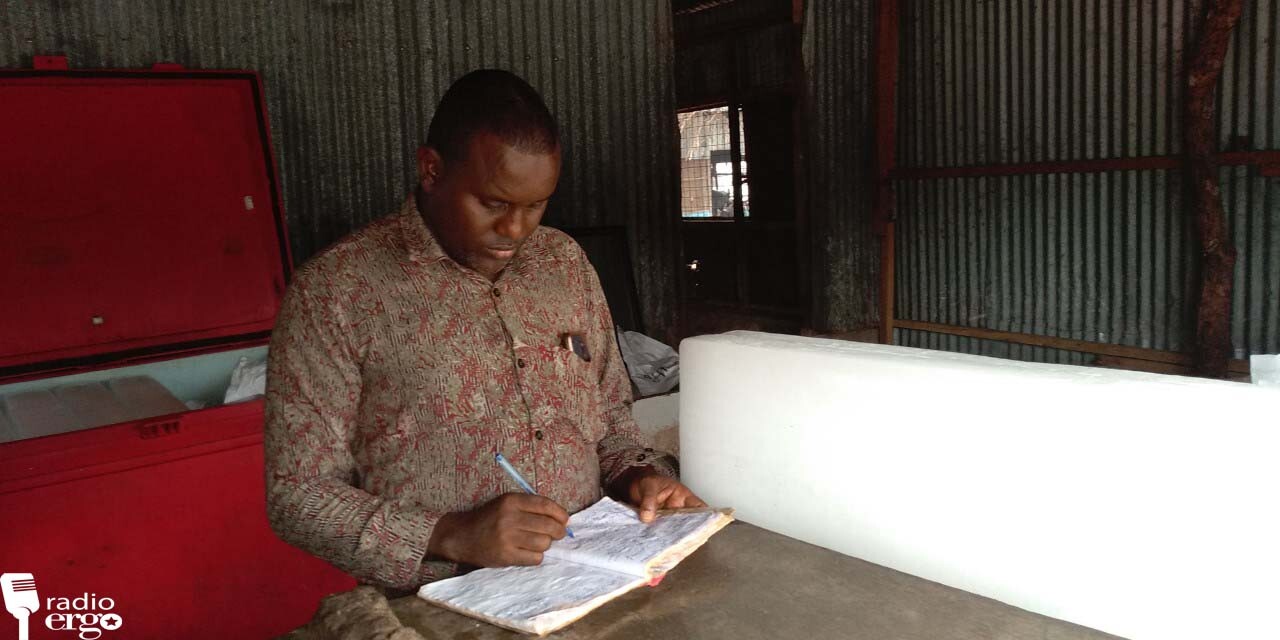
Ali Tawane, entrepreneur in Hagadhera refugee camp, Dadaab/Ahmed Abudullahi/Ergo

0
SHARES
Share on FacebookShare on Twitter

(ERGO) – Nur Tawane, a 34-year-old entrepreneur, has literally brought light into the lives of hundreds of other Somali refugees in northern Kenya’s Dadaab camps through his power-generating company.

What began with a single small generator providing electricity to 40 families in Dadaab’s Hagadhera camp has grown since 2012 to encompass a power plant with four generators and several subsidiary companies.

Tawane’s power plant now serves 681 homes in the camp with electricity. The monthly bills are capped at $12 and a number of places are not charged at all.

“We don’t charge a shilling to 48 mosques, 32 houses where orphaned families live, and 12 houses where a group of students meet to revise together,” he told Radio Ergo.

His businesses include an ice cream factory, a laundry detergent factory, and a primary school, with 30 direct employees and creating jobs indirectly for numerous others.

“There are a good number of women who buy ice cream from my factory on credit and pay me back when they sell. I am quite happy that I am helping families earn their living,” he said.

Nur Tawane arrived in Dadaab as a child in 1992, when the huge refugee complex first opened to accommodate tens of thousands of families fleeing Somalia’s civil war and related humanitarian disaster.

He completed his secondary education in Hagadhera and earned a diploma in business administration.  After working for various NGOs at a salary of $100 a month, he started his business with $800 savings.  Recently, he spent $7,200 on expansion of the power plant.

However, as the future of Dadaab camp is uncertain because of the Kenyan government’s frequent announcements of closure, business people like Tawane are considering what to do.

“Many of the people have gone back to their country, especially the youth who once called this camp home. I myself am also strategizing an exit plan with my business and if I get a place, I will relocate,” he said.

Nur has had some disappointment, finding that six families left the camp to go back to Somalia without paying their electricity bills.

Still, the ability to become independent has been a major achievement in Nur’s life so far. There were no businesses in the camp when his family first arrived, and he remembers how everyone relied on humanitarian aid.

“We used to depend on food donations from WFP. When we needed a book or a pair of shoes, my mother used to sell a kilo of the donation of flour so that we could buy the book or the shoes. But today, things are different as you can see, and we thank God!”
 

Previous Post

Somali pastoralists on the move for water and pasture in Sool region

Next Post

Displaced health workers provide key services in IDP camp in Garowe

Related Posts

blank
FOOD SECURITY

Tax rise in Somaliland puts poor Hargeisa shop owners out of business

September 2, 2026
blank
FOOD SECURITY

New tax halts lifeline work for displaced sand transporters in Baidoa

August 29, 2026
blank
FOOD SECURITY

Impoverished pastoralists in Mudug flee to resource-poor camps in Galkayo

August 28, 2026
blank
FOOD SECURITY

Somaliland closes black markets with outcry from informal local money changers

August 25, 2026
blank
FOOD SECURITY

Small scale youth fishing makes big difference to Mogadishu families

August 24, 2026
Crying out for water in villages around Elwaq
FOOD SECURITY

Ponds in Adado could provide water to thousands if rehabilitated, but pastoralists’ livestock are dying of drought

August 21, 2026
Next Post
Displaced health workers provide key services in IDP camp in Garowe

Displaced health workers provide key services in IDP camp in Garowe

FOLLOW US ON FACEBOOK

DAILY PROGRAMMES

IDAACADDA 03-SEP-2026

IDAACADDA 03-SEP-2026 by Radio Ergo

IDAACADDA 03-SEP-2026
Episode play icon
IDAACADDA 03-SEP-2026
September 3, 2026
Episode play icon
IDAACADDA 02-SEP-2026
September 2, 2026
Episode play icon
IDAACADDA 01-SEP-2026
September 1, 2026
Episode play icon
IDAACADDA MAANTA 31-AUG-2026
August 31, 2026
Episode play icon
IDAACADDA 30-AUG-2026
August 30, 2026
Search Results placeholder
Radio Ergo Weekly Newsletter
We respect your privacy.
blank
blank
blank

© Copyright 2014 - 2024 Radio Ergo

No Result
View All Result
  • Home
  • Topics
    • Latest Stories
    • IDPS/Refugees
    • Natural Disasters
    • Health
    • Social
    • Food Security
    • Education
    • Agriculture & Livestock
  • Programmes
    • Locust Programme
    • Farming Programme
    • Radio Doctor Programme
    • Women Programme
    • Entertainment Programme
  • About Radio Ergo
  • Contact Us
  • blankSomali
  • blankEnglish

© Copyright 2014 - 2024 Radio Ergo