Radio Ergo - Somali Humanitarian News and Information
  • Home
  • Topics
    • Latest Stories
    • IDPS/Refugees
    • Natural Disasters
    • Health
    • Social
    • Food Security
    • Education
    • Agriculture & Livestock
  • Programmes
    • Locust Programme
    • Farming Programme
    • Radio Doctor Programme
    • Women Programme
    • Entertainment Programme
  • About Radio Ergo
  • Contact Us
  • blankSomali
  • blankEnglish
No Result
View All Result
Radio Ergo - Somali Humanitarian News and Information
  • Home
  • Topics
    • Latest Stories
    • IDPS/Refugees
    • Natural Disasters
    • Health
    • Social
    • Food Security
    • Education
    • Agriculture & Livestock
  • Programmes
    • Locust Programme
    • Farming Programme
    • Radio Doctor Programme
    • Women Programme
    • Entertainment Programme
  • About Radio Ergo
  • Contact Us
  • blankSomali
  • blankEnglish
No Result
View All Result
Radio Ergo - Somali Humanitarian News and Information
Home AGRICULTURE & LIVESTOCK

Vegetable shortage in Mogadishu due to water crisis in Shabelle river breadbasket farms

Radio Ergo by Radio Ergo
May 28, 2019
in AGRICULTURE & LIVESTOCK, LATEST STORIES
0
blank

Photo: file

0
SHARES
Share on FacebookShare on Twitter

(ERGO) – A shortage of vegetables has led to sharp price rises in the markets of the Somali capital Mogadishu, as a consequence of the long drought affecting the bread-basket production areas around the River Shabelle.

The River Shabelle provides crucial water for irrigation for the farms in the regions of Middle Shabelle, Hiran and Lower Shabelle that supply Mogadishu.

Despite the onset of rain in some places, the water levels in the river are still below average.

Hassan Mohamed Sakeel, a wholesale vegetable seller, said there had been only 10 trucks ferrying fresh produce from farms to Mogadishu, compared to 30 per day when harvests were good.

Prices of vegetables have doubled or trebled. A kilogram of potatoes has risen from 18,000to 40,000 Somali shillings ($0.78 to $1.6) to 40,000 ($1.6), while tomatoes have risen from 120,000 to 400,000 Somali shillings ($4.8 to $16).

Asha Hassan Mohamed, a small trader in Banadir market, said she was receiving just two sacks of farm produce to sell instead of the usual 20.

Her expected profits of around 300,000 shillings ($12) have dwindled to around 50,000 shillings ($2).

Asha said she will have to choose between paying $34 a month fees for her six children at primary school or buying food for the family.

Asha lives in Wadajir district and has built her family’s life on her small business over the past seven years.

She sources fresh vegetables mainly from Afgoye, Jowhar, and Janale in Middle and Lower Shabelle.

The Mogadishu markets affected by the food shortages are Sebiyaano, Bakara, Beerta, Banadir, Wadajir, and Hamar-weyne.

For the poorer households, buying vegetables has become a luxury they cannot afford. Halimo Hassan Mohamed in Hodan district said she is not buying them anymore.

“I can’t afford the vegetables because they have become very expensive. We would do our morning green grocery shopping with a budget of a dollar or half, but now we would need three to four dollars. I am now substituting fresh vegetable consumption with meat and serving it with rice to my children,” said Halima.

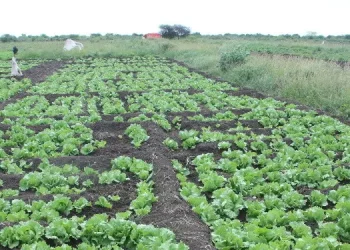
Hassan Mohamed Mudey, a farmer in Irdole village five km from Afgoye, told Radio Ergo that the vegetables he planted on his five hectare farm had all died due to lack of irrigation.

He is selling butter and milk from his goats, making around 550,000 shillings ($22) for the sale of five litres.

He does not know how he can continue paying the $20 a month school fees for his three children.

Most farmers in these areas rely totally on river water for irrigation.

More recently some have dug their own or shared boreholes to use in the dry season or when the river levels are too low.

Abdikarin Hassan Mohamed, an agriculture expert at Jamhuriya University, said digging boreholes was a positive trend that more farmers needed to consider to save their crops in future.

He said farmers do not usually get help so needed to devise their own initiatives to cushion their farms from water shortage.
 

Previous Post

Single teacher in remote Somaliland village school taking classes for 120 children

Next Post

Rural women access health centres in remote parts of Somaliland

Related Posts

Credit crunch faces drought-stricken pastoralist households in Adado
FOOD SECURITY

Credit crunch faces drought-stricken pastoralist households in Adado

April 20, 2026
Airstrikes wipe out livelihoods in Lower Shabelle farming village
FOOD SECURITY

Airstrikes wipe out livelihoods in Lower Shabelle farming village

April 17, 2026
Somalia live news, Somalia latest news, Mogadishu live news, Somali news
FF Feedback

Radio Ergo audience feedback report 9-15 March 2026

April 17, 2026
Hard-up Awdal farmers turn to gold digging
FOOD SECURITY

Jobless men turn to gold mining in Sanag region

April 16, 2026
Marginalised families in Puntland displacement camps face hunger, discrimination and neglect
FOOD SECURITY

Selling thatching grass in Bari valley provides new income for drought-hit families

April 15, 2026
School closes as UNICEF cuts funding leaving IDP children in Baidoa out of education
EDUCATION

Schools close across Galmudug due to drought

April 14, 2026
Next Post
Rural women access health centres in remote parts of Somaliland

Rural women access health centres in remote parts of Somaliland

FOLLOW US ON FACEBOOK

DAILY PROGRAMMES

IDAACADDA 22-APR-2026

IDAACADDA 22-APR-2026 by Radio Ergo

IDAACADDA 22-APR-2026
Episode play icon
IDAACADDA 22-APR-2026
April 22, 2026
Episode play icon
IDAACADDA 21-APR-2026
April 21, 2026
Episode play icon
IDAACADDA 20-APR-2026
April 20, 2026
Episode play icon
IDAACADDA 19-APR-2026
April 19, 2026
Episode play icon
IDAACADDA 18-APR-2026
April 18, 2026
Search Results placeholder
Radio Ergo Weekly Newsletter
We respect your privacy.
blank
blank
blank

© Copyright 2014 - 2024 Radio Ergo

No Result
View All Result
  • Home
  • Topics
    • Latest Stories
    • IDPS/Refugees
    • Natural Disasters
    • Health
    • Social
    • Food Security
    • Education
    • Agriculture & Livestock
  • Programmes
    • Locust Programme
    • Farming Programme
    • Radio Doctor Programme
    • Women Programme
    • Entertainment Programme
  • About Radio Ergo
  • Contact Us
  • blankSomali
  • blankEnglish

© Copyright 2014 - 2024 Radio Ergo