Radio Ergo - Somali Humanitarian News and Information
  • Home
  • Topics
    • Latest Stories
    • IDPS/Refugees
    • Natural Disasters
    • Health
    • Social
    • Food Security
    • Education
    • Agriculture & Livestock
  • Programmes
    • Locust Programme
    • Farming Programme
    • Radio Doctor Programme
    • Women Programme
    • Entertainment Programme
  • About Radio Ergo
  • Contact Us
  • blankSomali
  • blankEnglish
No Result
View All Result
Radio Ergo - Somali Humanitarian News and Information
  • Home
  • Topics
    • Latest Stories
    • IDPS/Refugees
    • Natural Disasters
    • Health
    • Social
    • Food Security
    • Education
    • Agriculture & Livestock
  • Programmes
    • Locust Programme
    • Farming Programme
    • Radio Doctor Programme
    • Women Programme
    • Entertainment Programme
  • About Radio Ergo
  • Contact Us
  • blankSomali
  • blankEnglish
No Result
View All Result
Radio Ergo - Somali Humanitarian News and Information
Home AGRICULTURE & LIVESTOCK

Surge in charcoal production raises concern in drought-torn Gedo region of southern Somalia

Radio Ergo by Radio Ergo
February 12, 2018
in AGRICULTURE & LIVESTOCK, LATEST STORIES
0
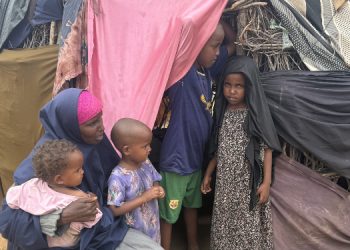
Bulshada deegaanka Boocame oo dadaal ugu jira joojinta xaalufka

Sawirrada keydka Ergo

0
SHARES
Share on FacebookShare on Twitter

(ERGO) – Drought-hit families living on the outskirts of El-waq, in southern Somalia’s Gedo region, have been turning to cutting forests for charcoal production after their traditional sources of livelihood have failed.

Since January, there has been a surge in charcoal production in nine villages in the district. Whilst those making the charcoal are trying to survive the drought, locals are concerned that the uncontrolled business is going to lead to further drought in future.

Hussein Mohamed Ali, a resident of Kadado, nine km from El-waq, said he observes regular groups of up to 30 people cutting and transporting wood by donkey carts.

“These trees are beneficial to the people and the environment. The charcoal traders are not concerned about the implications of this deforestation,” he said.

Aadan Mohamed lost all his 65 goats and 23 cows in the drought last year and has turned to charcoal production for a living. He told Radio Ergo this new work was the only chance he had to earn a small income for his family of nine in Laan-qurac, eight km from El-waq.

He and three partners work together to prepare five sacks of charcoal every four days. They hire a donkey to take the charcoal to El-waq town and even across the border to sell in Kenya. One sack fetches 500 Kenya shillings or 100,000 Somali shillings – roughly $4.5.

The areas where the charcoal trade is increasing include Kadado Buulo-ba’ad, Sandacar, Weel-u-weer, Kamorojawey, Laan-qurac, Budada, Garsaal and Samaroole. These places have not received good rainfall for the past three years. The residents used to depend on the sale of meat and milk, but large numbers of animals have died in the drought and those remaining are too thin for sale.

Abdullahi Diriye, an environmentalist in El-waq, said the widespread practice could lead to desertification and lack of grazing for livestock.  “Cutting down trees and the sudden changes this brings to the grazing lands leads to the recurring droughts that prevail in the area,” he warned.

Sahal Moalim Adan, the vice-commissioner of El-waq administration, told Radio Ergo’s local correspondent he was aware of the growth in tree-cutting for charcoal in the rural areas, although he could not give any precise details of the numbers of people involved nor the size of the areas already deforested.  However, he said the authority was in discussion with the local elders to reach a consensus about how to deal with the issue.
 

Previous Post

Ismail Rage, disabled by childhood polio, employed by a Mogadishu bank

Next Post

Baidoa city residents and IDPs hit by water crisis

Related Posts

School closes as UNICEF cuts funding leaving IDP children in Baidoa out of education
EDUCATION

Schools close across Galmudug due to drought

April 14, 2026
Drought-hit Lower Juba pastoralists flee towards the Somali-Kenyan border
IDPS/REFUGEES

Drought-hit Lower Juba pastoralists flee towards the Somali-Kenyan border

April 13, 2026
Low income Hargeisa families forced into IDP camp due to rising prices and shrinking income
FOOD SECURITY

Low income Hargeisa families forced into IDP camp due to rising prices and shrinking income

April 10, 2026
Somalia live news, Somalia latest news, Mogadishu live news, Somali news
FF Feedback

Radio Ergo audience feedback report 2-8 April 2026

April 9, 2026
Human fallout from conflict in South West state – thousands of families displaced and struggling
FOOD SECURITY

Human fallout from conflict in South West state – thousands of families displaced and struggling

April 8, 2026
High prices of water cause health and hygiene problems in Mogadishu IDP camps
FOOD SECURITY

High prices of water cause health and hygiene problems in Mogadishu IDP camps

April 6, 2026
Next Post
Biyo-yarida Baydhabo oo gaartay in hal ceel la isugu tago

Baidoa city residents and IDPs hit by water crisis

FOLLOW US ON FACEBOOK

DAILY PROGRAMMES

IDAACADDA 15-APR-2026

IDAACADDA 15-APR-2026 by Radio Ergo

IDAACADDA 15-APR-2026
Episode play icon
IDAACADDA 15-APR-2026
April 15, 2026
Episode play icon
IDAACADDA 14-APR-2026
April 14, 2026
Episode play icon
IDAACADDA 13-APR-2026
April 13, 2026
Episode play icon
IDAACADDA 12-APR-2026
April 12, 2026
Episode play icon
IDAACADDA 11-APR-2026
April 11, 2026
Search Results placeholder
Radio Ergo Weekly Newsletter
We respect your privacy.
blank
blank
blank

© Copyright 2014 - 2024 Radio Ergo

No Result
View All Result
  • Home
  • Topics
    • Latest Stories
    • IDPS/Refugees
    • Natural Disasters
    • Health
    • Social
    • Food Security
    • Education
    • Agriculture & Livestock
  • Programmes
    • Locust Programme
    • Farming Programme
    • Radio Doctor Programme
    • Women Programme
    • Entertainment Programme
  • About Radio Ergo
  • Contact Us
  • blankSomali
  • blankEnglish

© Copyright 2014 - 2024 Radio Ergo