Radio Ergo - Somali Humanitarian News and Information
  • Home
  • Topics
    • Latest Stories
    • IDPS/Refugees
    • Natural Disasters
    • Health
    • Social
    • Food Security
    • Education
    • Agriculture & Livestock
  • Programmes
    • Locust Programme
    • Farming Programme
    • Radio Doctor Programme
    • Women Programme
    • Entertainment Programme
  • About Radio Ergo
  • Contact Us
  • blankSomali
  • blankEnglish
No Result
View All Result
Radio Ergo - Somali Humanitarian News and Information
  • Home
  • Topics
    • Latest Stories
    • IDPS/Refugees
    • Natural Disasters
    • Health
    • Social
    • Food Security
    • Education
    • Agriculture & Livestock
  • Programmes
    • Locust Programme
    • Farming Programme
    • Radio Doctor Programme
    • Women Programme
    • Entertainment Programme
  • About Radio Ergo
  • Contact Us
  • blankSomali
  • blankEnglish
No Result
View All Result
Radio Ergo - Somali Humanitarian News and Information
Home AGRICULTURE & LIVESTOCK

Severe water crisis affects Shabelle farmers

Radio Ergo by Radio Ergo
January 19, 2018
in AGRICULTURE & LIVESTOCK, LATEST STORIES
0
Boqolaal hiktar oo beero ah oo u qallalay biyo la’aan

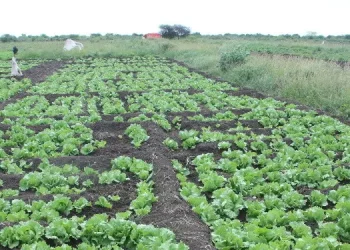
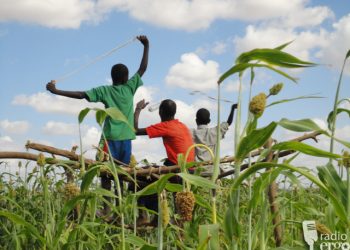
Beeraha Shabeellaha hoose/Sawiro/Ergo

0
SHARES
Share on FacebookShare on Twitter

More than 2,500 hectares of cereals and vegetables planted on farms in Afgoye, Jannale, Qoryoolay and Kurtunwarey districts in southern Somalia’s Lower Shabelle region have dried up due to a lack of water for irrigation.

The director of the agriculture ministry for the South West state administration, Abdiwahab Siraji, told Radio Ergo water levels in the river Shabelle, the farming community’s lifeline, dropped significantly in the middle of last December.

For the third consecutive year, the families in these districts, who are wholly dependent on farming for their income and food, are facing a highly stressful immediate future.

Abdikadir Mohamed, 32, a farmer in Sagaalada, just south of Afgoye, has been sitting around idle for about a month, since the river water shrank.  He said he had lost all hope that his six acre farm would yield anything more than the first crop of tomatoes he managed to harvest.

“I spent $2,700 on my farm including about $800 that I borrowed,” Abdikadir told Radio Ergo. “I only had the first harvest of tomatoes earning $600 from the sales. I repaid $300 of the loan and I’m waiting for water levels to become normal again before I can settle the rest that I borrowed.”

Hassan Hajo, chairman of a local farmers cooperative, said a survey of Aw-gooye and Sagalaad districts showed a total of 49 hectares of maize and vegetables that were soon to be harvested had failed. The farmers planted in October and the produce would have been taken to Mogadishu to be sold in the markets there.

There are six dams across the river Shabelle, the largest two of which are in Balad and Jowhar in Middle Shabelle region.  The infrastructure, designed to channel water into the river for access by local farmers, has fallen into disrepair since the civil war. The dams used to provide vital water supplies for irrigation of local farms when the river levels were low.

Hassan Hajo some water had recently been found in the reservoir in Balad, but farmers could not access the water because of the poor state of the dam.

“Apart from a few crops, the majority will not be able to survive this extreme water scarcity,” he said.

Farmers say in the last three years water levels in the river have been dropping in December.  Abdikadir is lucky to have kept some of his income from September that the family is suing, and he also gets some help from relatives abroad.

Generally, the prolonged drought and water crisis has had a crushing effect on local farming and productivity.  Local people and the administration say they need interventions to help them to survive and recover.  Security is a major concern with some parts of the region under Al-Shabab control and others under the government.
Previous Post

Somali fishermen under attack from foreign trawlers

Next Post

Somali families fleeing conflict in Ethiopia crowd into IDP camps in Gedo region

Related Posts

blank
AGRICULTURE & LIVESTOCK

Farmers in Bay region suffer crop losses due to pests and disease

June 4, 2026
Silent disease diabetes takes toll on families in Somaliland
FOOD SECURITY

Silent disease diabetes takes toll on families in Somaliland

June 3, 2026
Teachers jobless as Baidoa IDP schools close due to funding cuts
EDUCATION

Teachers jobless as Baidoa IDP schools close due to funding cuts

May 22, 2026
Somalia live news, Somalia latest news, Mogadishu live news, Somali news
FF Feedback

Radio Ergo audience feedback report 14-20 May 2026

May 21, 2026
Young Somali refugees in Dadaab invest in family-supporting businesses
FOOD SECURITY

Young Somali refugees in Dadaab invest in family-supporting businesses

May 20, 2026
blank
AGRICULTURE & LIVESTOCK

Livelihoods support aids displaced households in Middle Shabelle

May 18, 2026
Next Post
Qaxootiga Al-Kharas oo ka walaacsan xaaladda ammaanka

Somali families fleeing conflict in Ethiopia crowd into IDP camps in Gedo region

FOLLOW US ON FACEBOOK

DAILY PROGRAMMES

IDAACADDA 05-JUN-2026

IDAACADDA 05-JUN-2026 by Radio Ergo

IDAACADDA 05-JUN-2026
Episode play icon
IDAACADDA 05-JUN-2026
June 5, 2026
Episode play icon
IDAACADDA 04-JUN-2026
June 4, 2026
Episode play icon
IDAACADDA 03-JUN-2026
June 4, 2026
Episode play icon
IDAACADDA 02-JUN-2026
June 2, 2026
Episode play icon
IDAACADDA 01-JUN-2026
June 1, 2026
Search Results placeholder
Radio Ergo Weekly Newsletter
We respect your privacy.
blank
blank
blank

© Copyright 2014 - 2024 Radio Ergo

No Result
View All Result
  • Home
  • Topics
    • Latest Stories
    • IDPS/Refugees
    • Natural Disasters
    • Health
    • Social
    • Food Security
    • Education
    • Agriculture & Livestock
  • Programmes
    • Locust Programme
    • Farming Programme
    • Radio Doctor Programme
    • Women Programme
    • Entertainment Programme
  • About Radio Ergo
  • Contact Us
  • blankSomali
  • blankEnglish

© Copyright 2014 - 2024 Radio Ergo